If you've spent any amount of time on Instagram or TikTok lately, you've probably convinced yourself that your workout is missing something. Maybe it's 50" box jumps, Olympic lifts with enough weight to bend the bar, or some bizarre single leg balancing act while juggling kettlebells. After all, if your favourite professional athlete is doing it, shouldn't you be too? Probably not.
In fact, I'd argue that even most athletes don't need a lot of what you see online. Social media rewards exercises that look impressive, not necessarily the ones that produce the best results. The reality is that good programming isn't about finding the most complicated exercise you can survive. It's about choosing the movement that gives you the greatest return while exposing you to the least amount of unnecessary risk. Every exercise should have a purpose, and before adding one to your program it's worth asking yourself two questions "what adaptation am I actually trying to achieve?" and "is there a simpler or safer way to get the same result?" More often than not, the answer is yes.
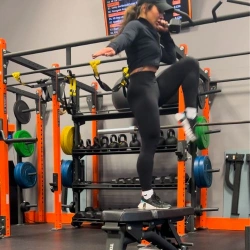
Take the box jump for example. The goal isn't actually jumping onto a box. The box is just there to catch you after you've jumped. What we're really trying to train is explosive triple extension at the hips, knees, and ankles to improve lower body power. For athletes who sprint, jump, skate, or change direction at high speeds, that's a valuable quality to develop. The important part, however, is that power training only works when the effort is maximal. Once fatigue starts creeping in, power output drops off quickly. That's why legitimate power training usually consists of only three to five explosive repetitions with plenty of rest between sets. Every jump should be performed with maximum intent.
Somewhere along the way, box jumps became a cardio exercise. Suddenly people are doing sets of 15 or 20, trying to get their heart rate up while hopping onto increasingly taller boxes because... Instagram. At that point you're no longer training power. You're just doing conditioning with significantly more risk than reward. Could you burn calories this way? Of course, but you could also burn calories by repeatedly banging your head against the wall for twenty minutes. The problem is that the resulting headache or concussion makes it a pretty terrible choice. Similarly, catching your shin on the edge of a box, rolling an ankle, or tweaking a hamstring is a hefty price to pay when there are dozens of safer ways to improve your cardiovascular fitness.
Olympic lifts live in a very similar category. The clean, snatch, and their variations are fantastic exercises when used for the right athlete in the right setting. They're designed to generate enormous amounts of force in an incredibly short period of time, making them excellent tools for developing explosive power. They are also among the most technically demanding exercises we can perform. Like box jumps, they are intended to be performed explosively for relatively low repetitions, not as a race to see who can survive twenty reps before collapsing on the floor. While that might make for an entertaining workout video, it isn't how these lifts were designed to be used.
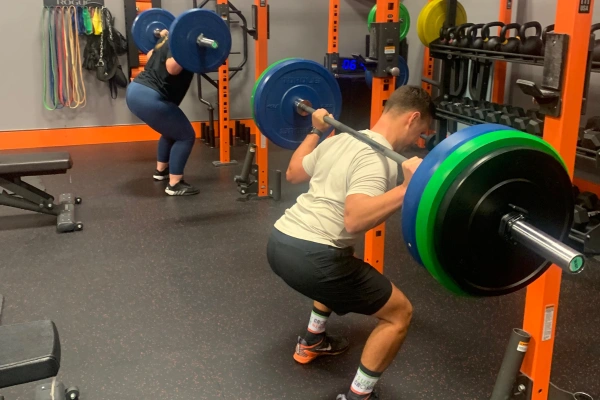
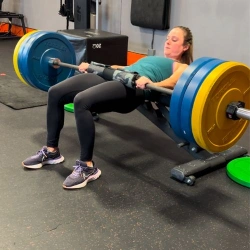
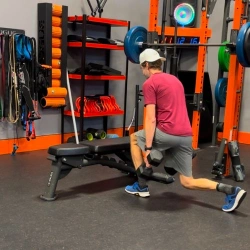
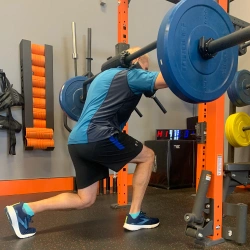
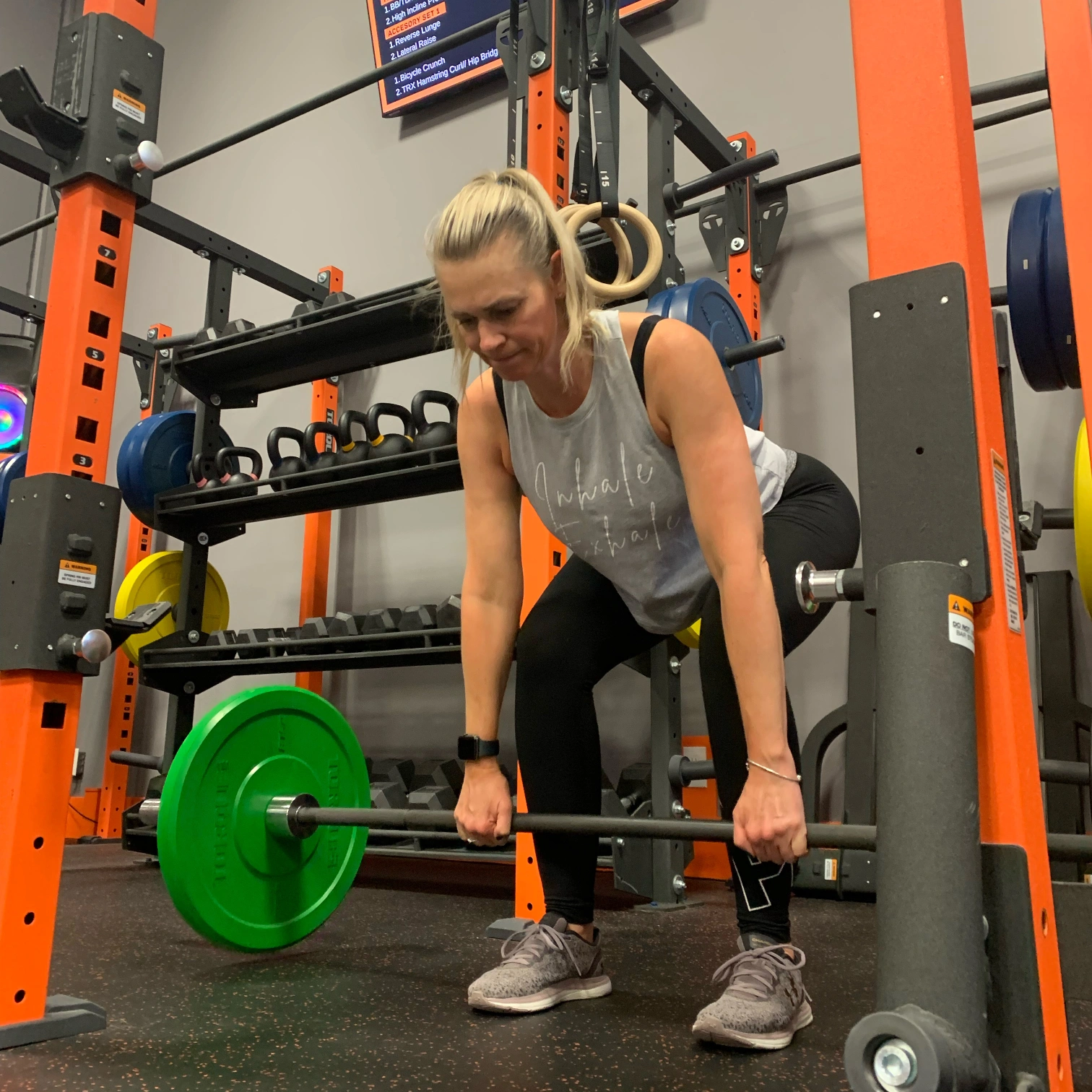
For the average person, and honestly even for many athletes, the qualities we're trying to improve with Olympic lifting can often be developed just as effectively with much simpler exercises. If your goal is producing more force through the lower body, heavy squats, deadlifts, split squats, and even finishing a rep with an aggressive calf raise all train the same triple extension pattern under much greater control. The exercise might not earn you thousands of likes online, but your joints probably won't mind.
This idea becomes even more important when we start talking about youth athletes. It's very common to see young players performing advanced plyometrics, Olympic lifts, and every explosive drill imaginable because everyone wants to improve power. But there's one simple equation that often gets overlooked, force equals mass multiplied by acceleration. Younger athletes typically have enormous room to improve the "mass" side of that equation simply by getting stronger. If a fourteen-year-old learns to squat well, deadlift well, control their body weight, and consistently build strength over several years, they'll almost always become faster, more powerful, and more resilient without needing highly technical exercises. The basics haven't stopped working, they're just not as exciting to film.
That's one of the biggest misconceptions in strength and conditioning. Advanced exercises aren't necessarily better exercises. They're simply more specific tools that become useful once you've squeezed almost everything you can out of the simpler ones. Trying to perform Olympic lifts before mastering a squat is a bit like signing up for Formula One racing before learning how to parallel park. Sure, they're both driving, but one skill should probably come before the other.
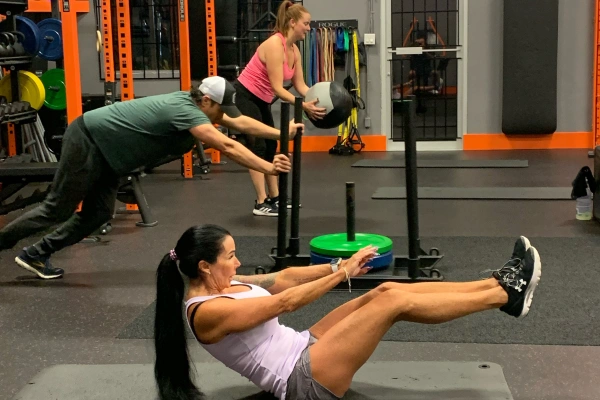
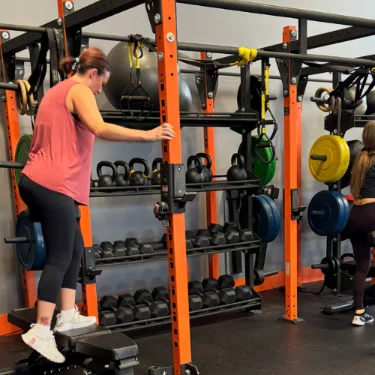
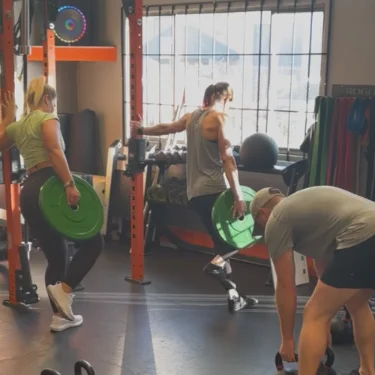
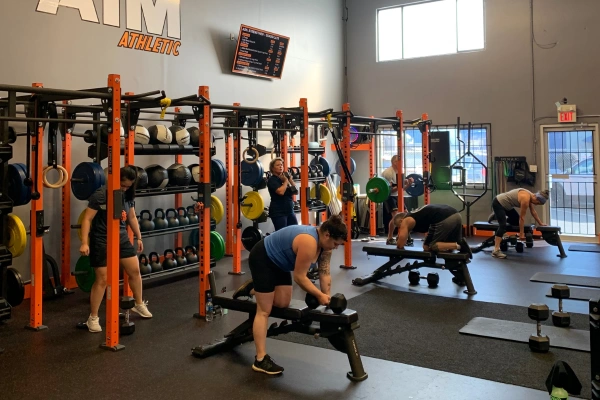
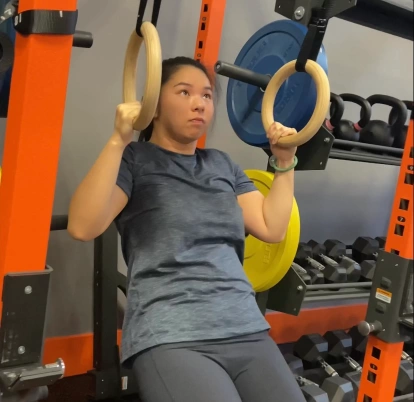
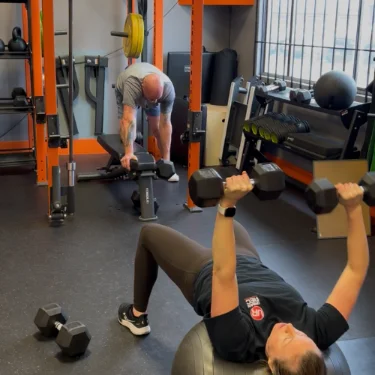
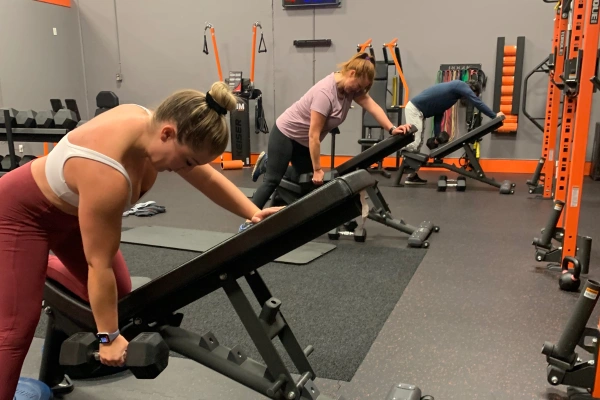
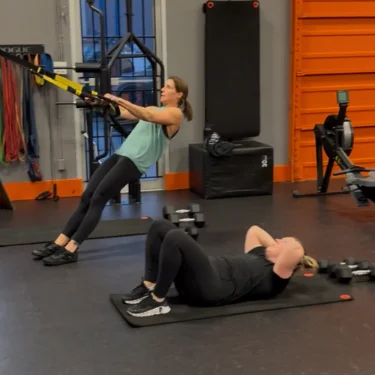
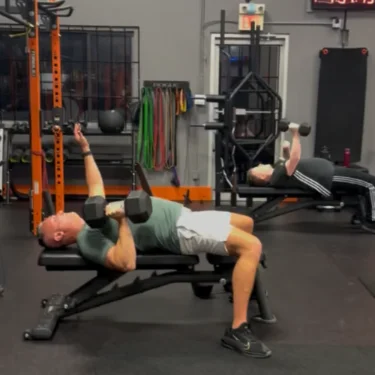
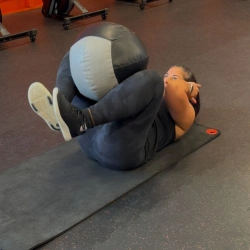
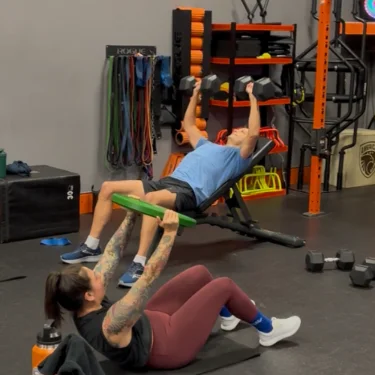
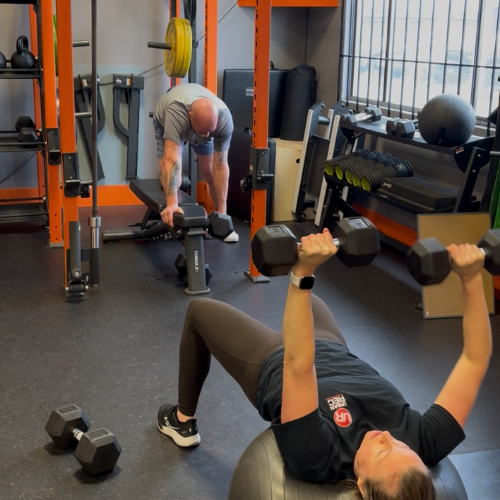
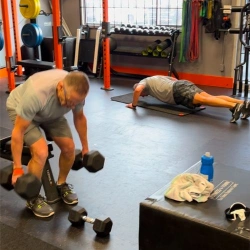
This philosophy is something we use every day at AIM Athletic. Our Small Group Personal Training programs are built around movements that deliver the biggest return for our members, whether the goal is getting stronger, losing weight, building muscle, or simply feeling better. Our Active Rehabilitation clients need exercises that restore movement, reduce pain, and build confidence not exercises that look impressive on social media. Our Youth Strength Training program focuses on mastering movement quality and building a foundation of strength before progressing into more advanced methods. Even with our elite hockey training athletes, where explosive power is a major performance requirement, advanced exercises only make up a small piece of the overall program. Most of their improvements still come from consistently getting stronger, improving movement quality, and mastering the fundamentals.
The fitness industry has a habit of making simple things look complicated because complicated sells. But the truth is, the best program is rarely the one with the fanciest exercises. It's the one that consistently moves you toward your goal while keeping you healthy enough to train again tomorrow. Your workout doesn't need to impress the people scrolling past it on Instagram. It just needs to work.
You've got the info, now it's time to take AIM!

.webp)



.webp)

.png)




.webp)