
This week’s topic comes from another AIM member who was shopping for new kicks and asked which type of shoe would help them get the most out of their workouts. First, let’s talk good, better and best. For most people, most comfortable athletic shoes are fine. I’m not going to tell you to drop $200 on new gym shoes. But if you were looking for an excuse, this might end up being a very convenient post for you.
First of all, our foot is much more than something you shove into a shoe. It’s a proprioceptive machine, meaning it helps your body sense its position and movement, and its bones, joints and muscles allow it to change shape under load. Your toes spread out, your arch adapts, and sensory receptors provide information about pressure and contact with the ground. Your brain combines these signals to coordinate balance and make adjustments throughout your body. In other words, your feet are doing much more than just keeping your socks occupied.
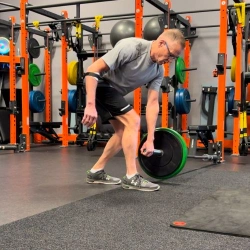
That’s part of the appeal of barefoot training. Removing your shoes changes your contact with the floor, and getting closer to the ground reduces how far you have to pull a bar during a deadlift. When you’re chasing a maximum lift, small differences in setup and leverage can matter. However, research hasn’t really established that barefoot lifting consistently improves performance. Most of us at AIM also aren’t deciding between a 595 and 605 pound deadlift, so we have bigger opportunities in our technique and consistency than in removing half an inch of shoe.
The “barefoot is more natural” argument doesn’t completely sell me either. A perfectly flat rubber gym floor isn’t exactly a forest trail. That doesn’t make barefoot training bad, but “natural” isn’t enough to declare something better for everyone. Controlled barefoot work and foot strengthening exercises can have their place without making every workout a shoeless one. There's also the protection factor, shoes provide a barrier against scrapes, although they probably won’t save you from a dropped dumbbell. Please continue avoiding that while you're at AIM.
My bigger concern when it comes to training is stability. Running shoes are designed primarily for repeated forward movement, while training shoes generally accommodate lifting, jumping, stopping and moving sideways. Most runners aren’t repeatedly juking around trash cans during their 10K, unless their route is considerably more exciting than the ones I've been on. A shoe that feels great travelling forwards doesn’t necessarily hold your foot securely during lateral movements, and that matters when you’re doing anything from side lunges to agility drills.
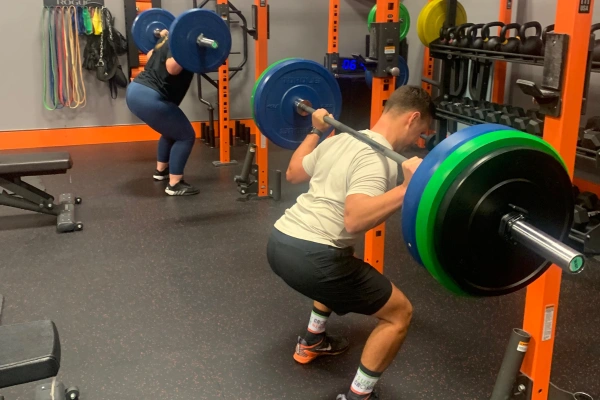
Then there’s cushioning. A thick, soft sole can feel lovely on a run, but I don’t particularly want to feel myself sinking into it during a squat or deadlift. I’ve worn highly cushioned shoes like HOKA in the gym and noticed that sensation even at relatively modest weights. With 200 pounds on my shoulders, “walking on clouds” loses some of its appeal. Personally, I want a firm, stable platform that lets me maintain consistent pressure through my foot without feeling the surface beneath me shifting.
That doesn’t make cushioning bad, and landing on your heel when running doesn’t automatically mean you’re running incorrectly. Different activities have different demands. An elevated heel isn’t automatically a problem either. Weightlifting shoes use a firm raised heel, typically a 15 degree pitch, which can reduce the ankle movement needed for a squat and help some people maintain a more upright position. The distinction is between a stable heel and one that compresses beneath you. Flat can be useful, but it isn’t a universal rule.
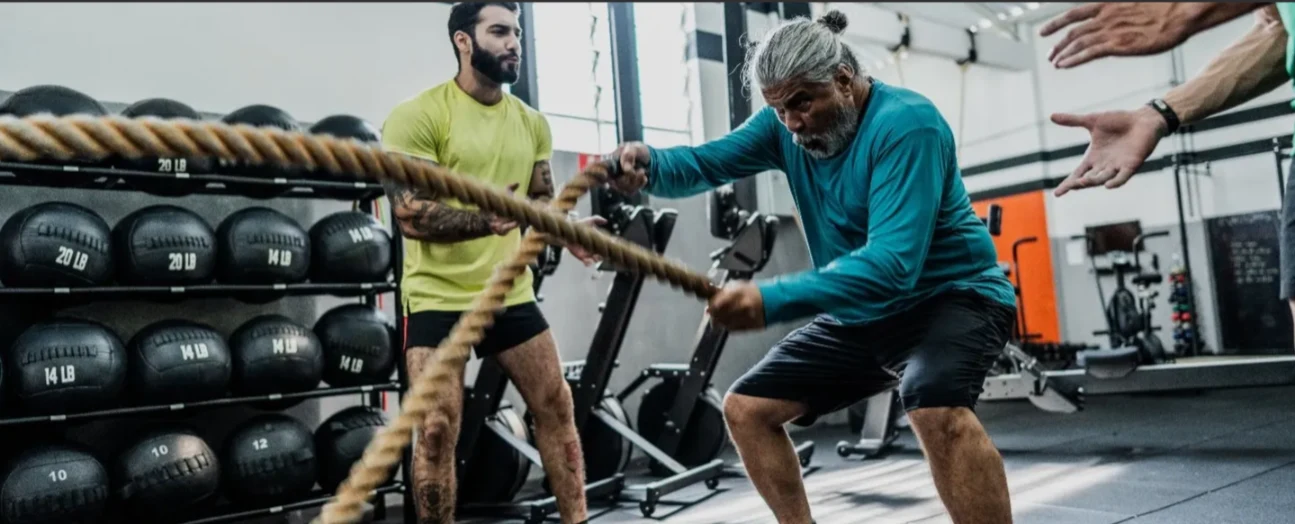
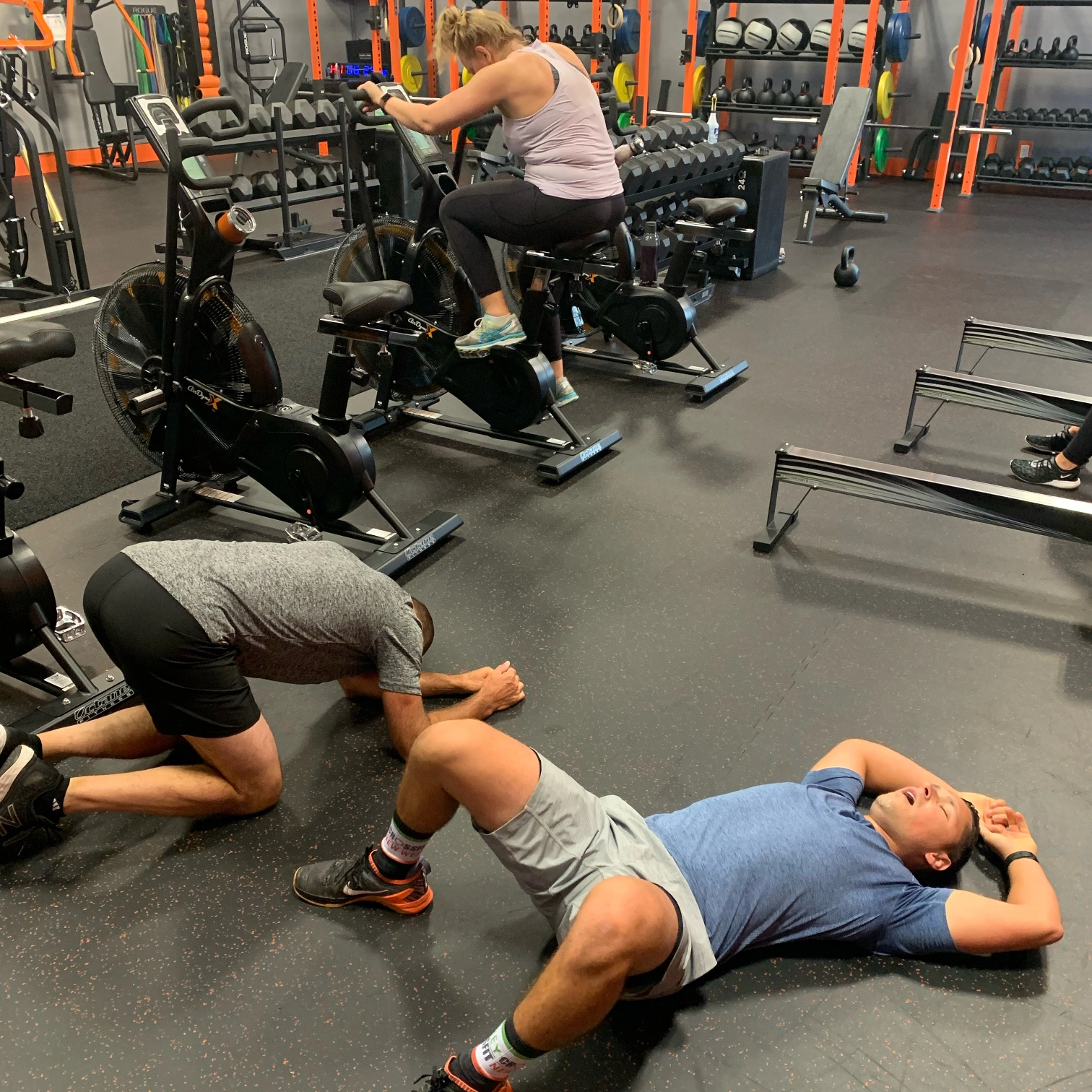
And no, that doesn’t mean everyone needs Chuck Taylors either. Their firm, relatively flat soles can work well for lifting, but the canvas upper and overall design aren’t my first choice for a session involving jumps, lateral drills and conditioning. For the mix we do at AIM, I generally prefer a cross training shoe. Say what you want about CrossFit, but it asks people to lift, run, jump, carry and whatever else the flavour of the week happens to be. Shoes designed for that variety have worked well for me.
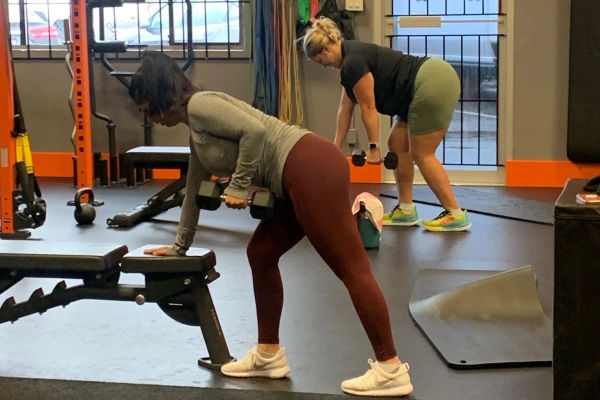
I look for a firm heel, a stable base, good grip, room for my toes and a fit that keeps my foot from sliding around. That's the kind of shoe that typically suits our small group and personal training sessions, along with youth training where athletes are learning to lift, land and change direction. With active rehab, comfort, symptoms, exercise selection and prescribed orthotics also matter. I’m a strength coach, not a podiatrist, so I wouldn’t tell someone to abandon footwear that helps them because an influencer has strong opinions and good lighting.
Good is a comfortable athletic shoe that fits and feels secure. Better is choosing one that suits your workouts. Best is the right match for your feet, goals and session, which doesn’t necessarily mean the most expensive pair. If you’re shopping, try some squats, lunges and side steps before buying. Your shoes should help you feel planted and well supported. Unfortunately they still won’t do the lunges for you, and you've still got to lift the weights.
You've got the info, now it's time to take AIM!

.webp)




.webp)

.png)




.webp)