
If you’ve been around AIM Athletic long enough, you’ve probably heard me say some version of this before "workouts break you down, its rest and recovery where you make your gains." In other words, when it comes down to making changes in the gym, work plus rest equals success. Most people are pretty good at the work part. Show up, lift hard, sweat a bit, maybe question your life choices halfway through a set of squats. But it’s the rest and recovery side of the equation that often gets overlooked, and ironically, that’s where a lot of your actual progress comes from.
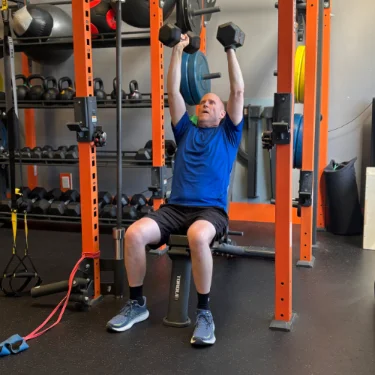
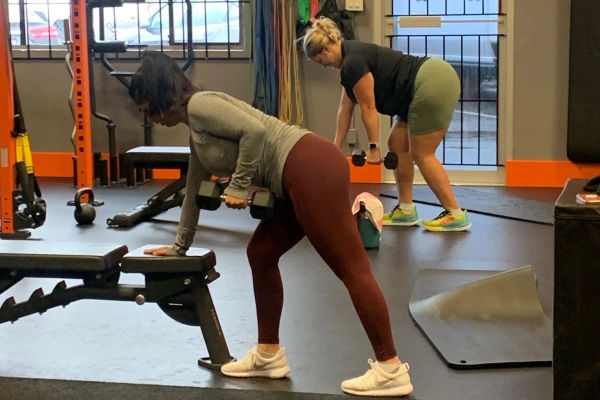
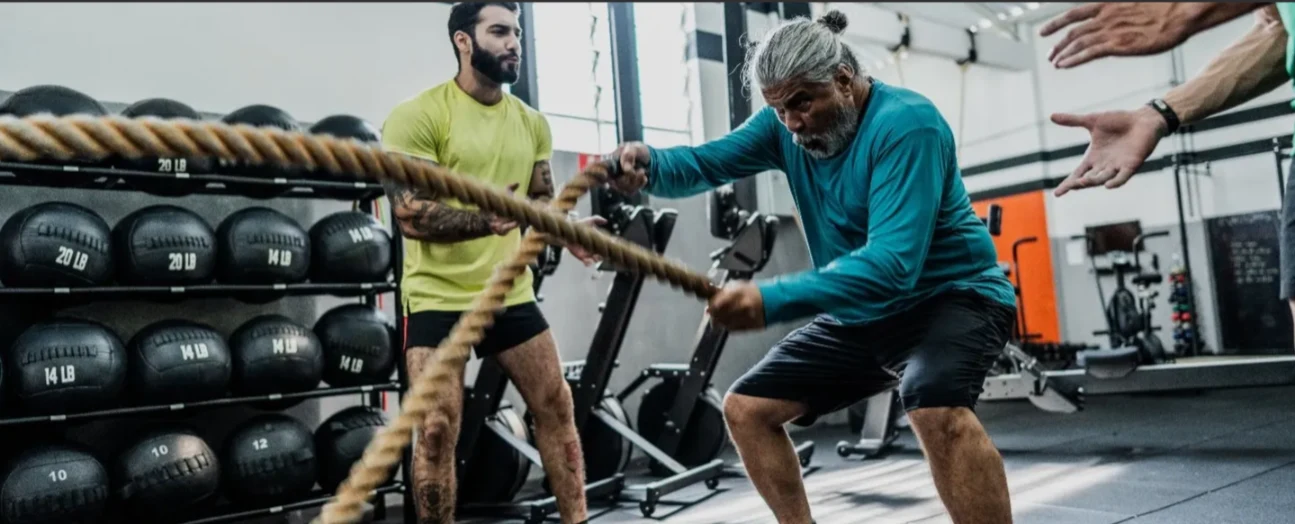
Training itself is catabolic, which simply means it breaks things down. When you lift weights or push through a tough training session, you’re creating small amounts of damage to muscle tissue, depleting energy stores, and stressing your nervous system. That might sound like a bad thing, but it’s actually the entire point. That breakdown is the signal your body needs to rebuild stronger, more resilient, and more capable than before. Simply put, no stress, no adaptation. But also, no recovery, no improvement, which is why most of our programming is set up for 3-4 days/week at AIM.
This idea ties into something called the general adaptation syndrome, originally proposed by Hans Selye. In simple terms, your body goes through three phases when exposed to stress. First is the alarm phase, where your body recognizes the stressor and performance can temporarily dip. Imagine doing two days in a row of heavy bench press, its safe to say day two probably won't be as strong as day one. Then comes the adaptation phase, where your body starts to rebuild and adjust to that stress. Finally, if everything is timed properly, you hit supercompensation, where you’re actually performing at a higher level than before. The key here is timing. Too much stress without enough recovery, and you stay stuck in that fatigued state. The right balance of work and rest, and you move forward.
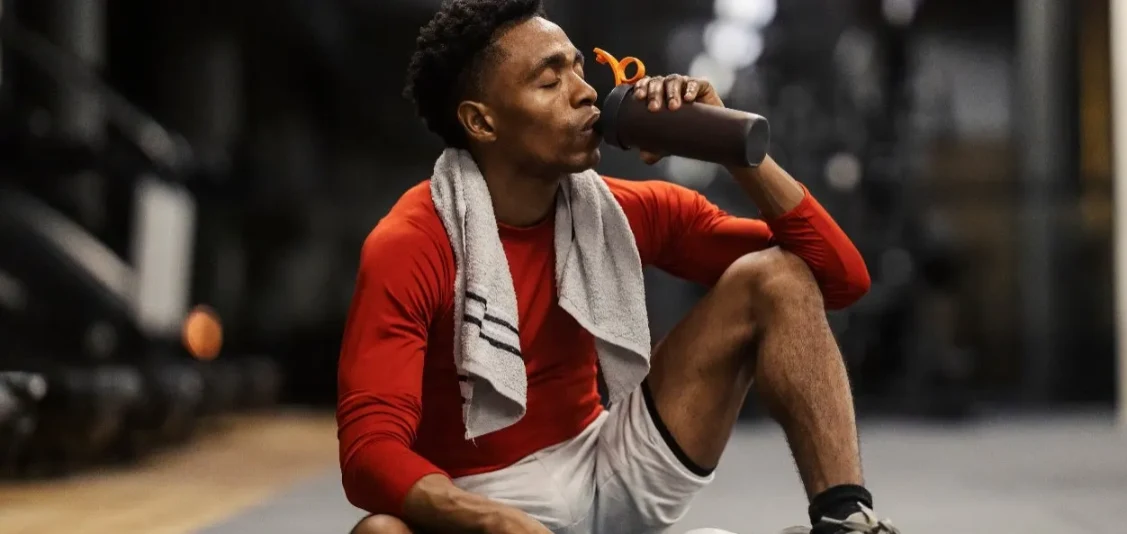
When most people think about recovery, they picture doing nothing. And yes, passive recovery has its place. Sleep is the obvious one, where hormone regulation, tissue repair, and nervous system recovery all occur. Nutrition is another passive strategy, providing the raw materials your body needs to rebuild. And then there’s the psychological side, stepping away from stress, whether that’s work, training, or just life in general. All of that matters more than people think.
But when I talk about recovery, I’m usually thinking about regeneration. These are the active strategies we use to actually facilitate the recovery process. In my mind, rest is the planned time where these regeneration strategies are implemented, not just sitting on the couch hoping for the best.
Massage is a great example of regeneration, whether that’s self massage with a foam roller or seeing a therapist. You’re improving blood flow, reducing local muscle tone, and helping shift the nervous system out of that constantly “on” state. Stretching also plays a role, both dynamic and static. Dynamic work can help restore range of motion and prep the body for movement, while static stretching can downregulate the nervous system and reduce stiffness after training.
Hydrotherapy is another tool that’s become more popular. Cold plunges can help reduce inflammation and temporarily decrease nerve conduction, which is why you feel less sore after. Contrast therapy, alternating hot and cold, works a bit like a pump for your vascular system, helping move fluid in and out of tissues and potentially speeding up recovery.
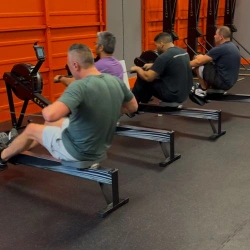
One of the most underrated strategies though is active recovery, specifically what us in the industry call yellow zone energy system work. This is low intensity aerobic activity, think easy bike, light jog, or steady incline walk, where you can still hold a conversation without feeling like you’re about to pass out. Physiologically, this helps increase blood flow, improve mitochondrial function, and clear metabolic byproducts without adding more stress to the system. It’s not about crushing yourself, it’s about facilitating recovery so you can come back stronger for your next session.
And then there’s just doing things that have nothing to do with your regular activities at all. Go for a walk, play a sport for fun, get outside. Not everything has to be optimized. Sometimes the best recovery tool is simply taking your foot off the gas mentally.
At AIM Athletic, this is all built into how we approach training. Whether you’re in small group personal training, working one on one, or going through active rehab, the goal isn’t just to push harder every session. It’s to apply the right stress at the right time and make sure your body actually has the opportunity to adapt. Hitting it hard one day, then allowing yourself to recover the next. Because at the end of the day, it’s not the workout itself that makes you better. It’s how well you recover from it.
You've got the info, now it's time to take AIM!

.webp)



.webp)


.png)




.webp)