

Since AIM athletic is a gym where we help people safely, and effectively build strength and muscle, its important to reiterate and understand all of the physiology that underpins hypertrophy training. Hypertrophy sits at the intersection of two training concepts. The first is strength qualities, which describe how the body produces force such as maximal strength, strength endurance, or speed strength. The second is strength themes, which refer to the adaptations and changes that occur within the muscle itself. When we talk about hypertrophy as a strength theme, we are referring to the physical enlargement of muscle tissue that helps support strength qualities. In other words, hypertrophy is not just about bigger muscles. It is about improving the structure of the muscle so it can produce and tolerate more force over time.
From a physiology standpoint, hypertrophy is usually divided into two categories. The first is sarcoplasmic hypertrophy, and the second is myofibrillar hypertrophy. Inside each muscle fiber are contractile structures called myofibrils that contain the proteins actin and myosin. These proteins interact with each other to produce force. Surrounding the myofibrils is the sarcoplasm, which is a fluid containing glycogen, enzymes, and other nutrients that support energy production and muscular work.
Sarcoplasmic hypertrophy refers to an increase in the volume of that fluid component of the muscle cell - in other words "the pump". Essentially the space around the myofibrils holds more glycogen, water, and metabolic substrates that help fuel muscular activity. This adaptation is commonly associated with higher volume training and moderate loads where muscles experience longer time under tension and metabolic fatigue. While it does not directly increase the contractile strength of the muscle, it improves the muscle’s ability to store fuel and support recovery. Think of it as expanding the fuel tank that fuels the engine.
Myofibrillar hypertrophy on the other hand, involves an increase in the density and number of the contractile filaments themselves. In this case the muscle fiber builds more actin and myosin, which directly increases the muscle’s ability to generate force. Training that encourages this adaptation typically uses heavier loads and lower rep ranges where mechanical tension is the main driver. This is the type of hypertrophy that has the biggest influence on maximal strength and force production.
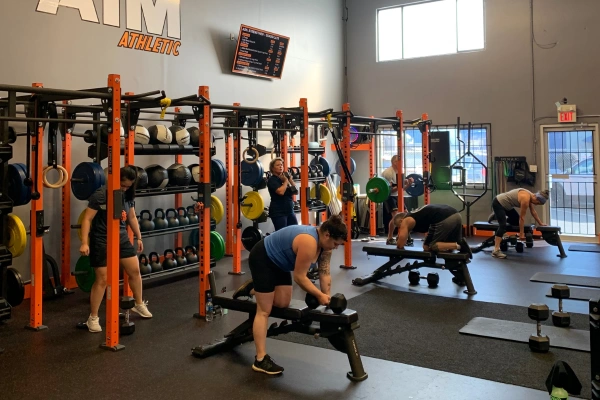
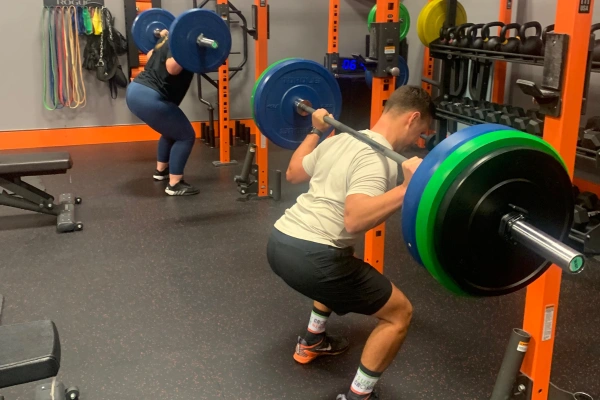
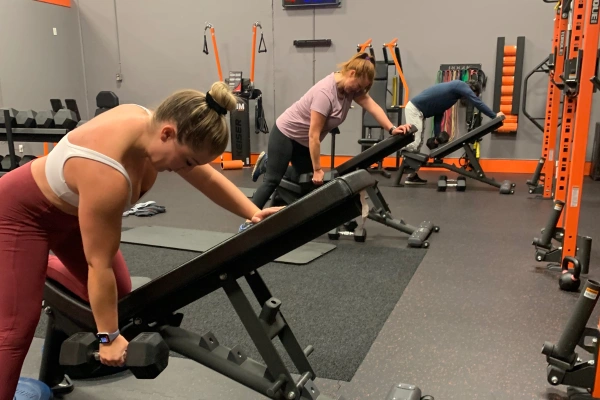
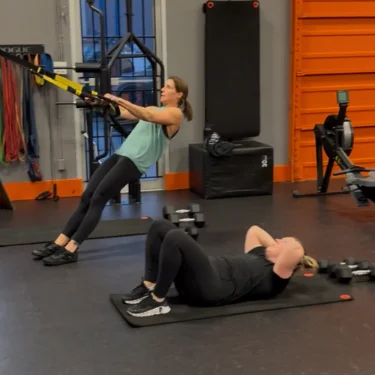
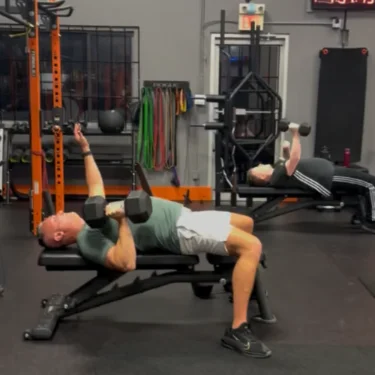
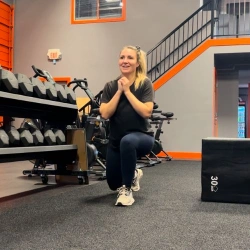
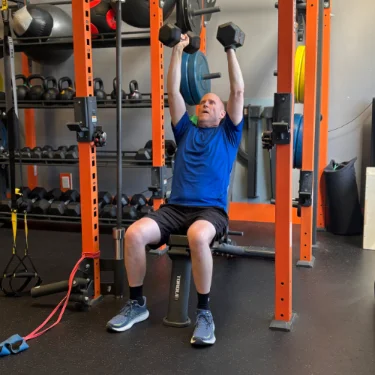
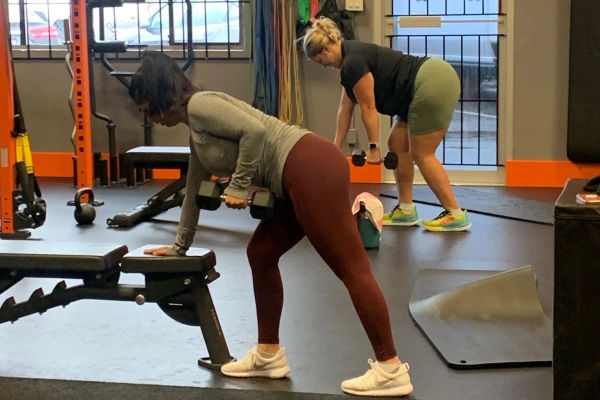
Both forms of hypertrophy show up in our small group personal training and personal training at AIM Athletic. During our high weeks, training volume is a bit higher with moderate loads, which tends to drive the metabolic stress associated with sarcoplasmic hypertrophy. During our low weeks, intensity increases and overall volume drops, placing more emphasis on mechanical tension and myofibrillar adaptations. Cycling between these approaches allows us to improve both the structural strength of the muscle and the environment that supports performance and recovery.
It is also worth mentioning that sarcoplasmic hypertrophy sometimes gets labeled as “non functional,” which is not entirely fair. Increasing the storage of glycogen and nutrients within the muscle helps support training volume and recovery between sessions. This is especially useful in active rehabilitation, where higher repetition training can improve circulation, deliver nutrients to healing tissues, and rebuild work capacity before heavier strength work is introduced.
At the end of the day, the goal is not choosing one form of hypertrophy over the other. Both contribute to stronger, healthier muscles. One improves the muscle’s contractile machinery, while the other improves the environment that fuels and supports it. When both are trained properly, the result is better strength, better recovery, and yes, muscles that might make your t-shirt sleeves feel just a little bit tighter.
You've got the info now it's time to take AIM,



.webp)











.webp)




.png)




.webp)