I hear it all the time at AIM, "its not my legs, its just my grip that's failing". Usually it comes after a heavy set of deadlifts, or the sudden appearance of calluses after gripping the barbell that make you wonder whether your gym membership also came with a construction job. Sometimes the thing giving out first in a workout is not your lungs, not your back, and definitely not your motivation. It is your hands. Grip strength tends to be one of those things most people ignore until it limits them, then suddenly it becomes very important.
Interestingly, grip strength has become one of the more researched predictors of overall health and longevity. In some insurance plans, grip strength is even being used as a rough surrogate for overall muscle mass and physical function. This is because people who maintain more muscle mass and strength as they age generally maintain better mobility, independence, metabolic health, and lower rates of chronic disease. As we get older, losing muscle mass is associated with poorer balance, reduced bone density, increased falls, and greater difficulty performing daily tasks. Carrying groceries, climbing stairs, or simply getting off the floor becomes harder. Grip strength is nothing magic, but what it reflects is whether or not the rest of the system is staying strong too.
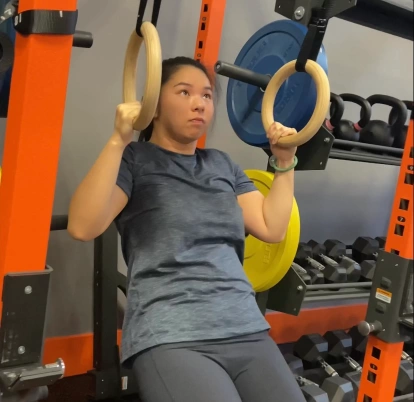
When it comes to training, grip has a surprisingly large influence on your workouts, particularly for upper body work. The way you hold onto something can change which muscles contribute most to a movement. Let's take pull ups for example. A traditional pull up with palms facing away from you tends to bias more shoulder internal rotation and places a greater demand on muscles like the brachioradialis of the forearm while reducing contribution from the biceps. For many people this makes pull ups significantly harder. Compare that to a chin up with palms facing toward you. Suddenly the biceps, which are larger and stronger elbow flexors than the brachioradialis, can contribute more. Same person, similar movement, very different experience. This is one reason someone might perform several chin ups but struggle with strict pull ups. With that in mind it is not always a strength issue. Sometimes it is simply biomechanics and muscle recruitment patterns at play. Understanding these differences is something we often coach during our small group and personal training sessions because changing hand position can sometimes improve movement quality faster than adding more weight.
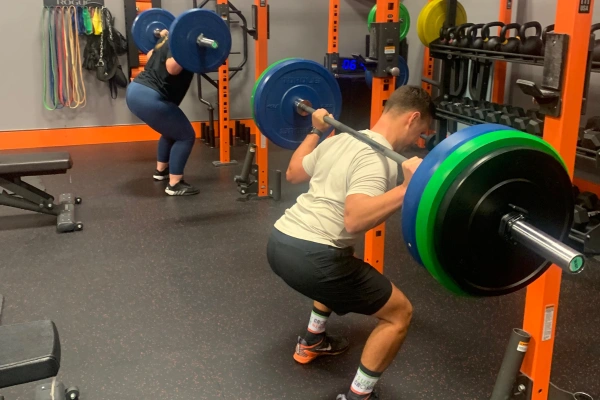
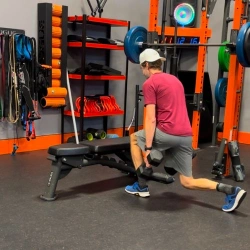
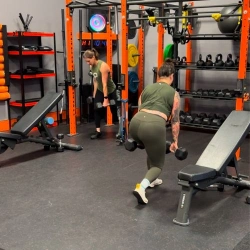
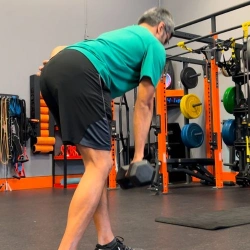
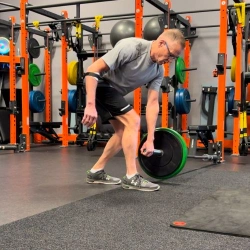
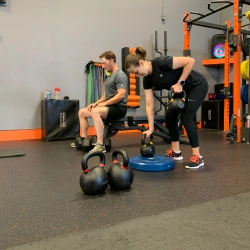
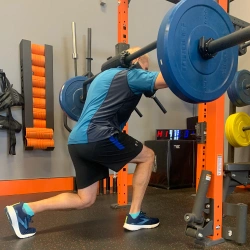
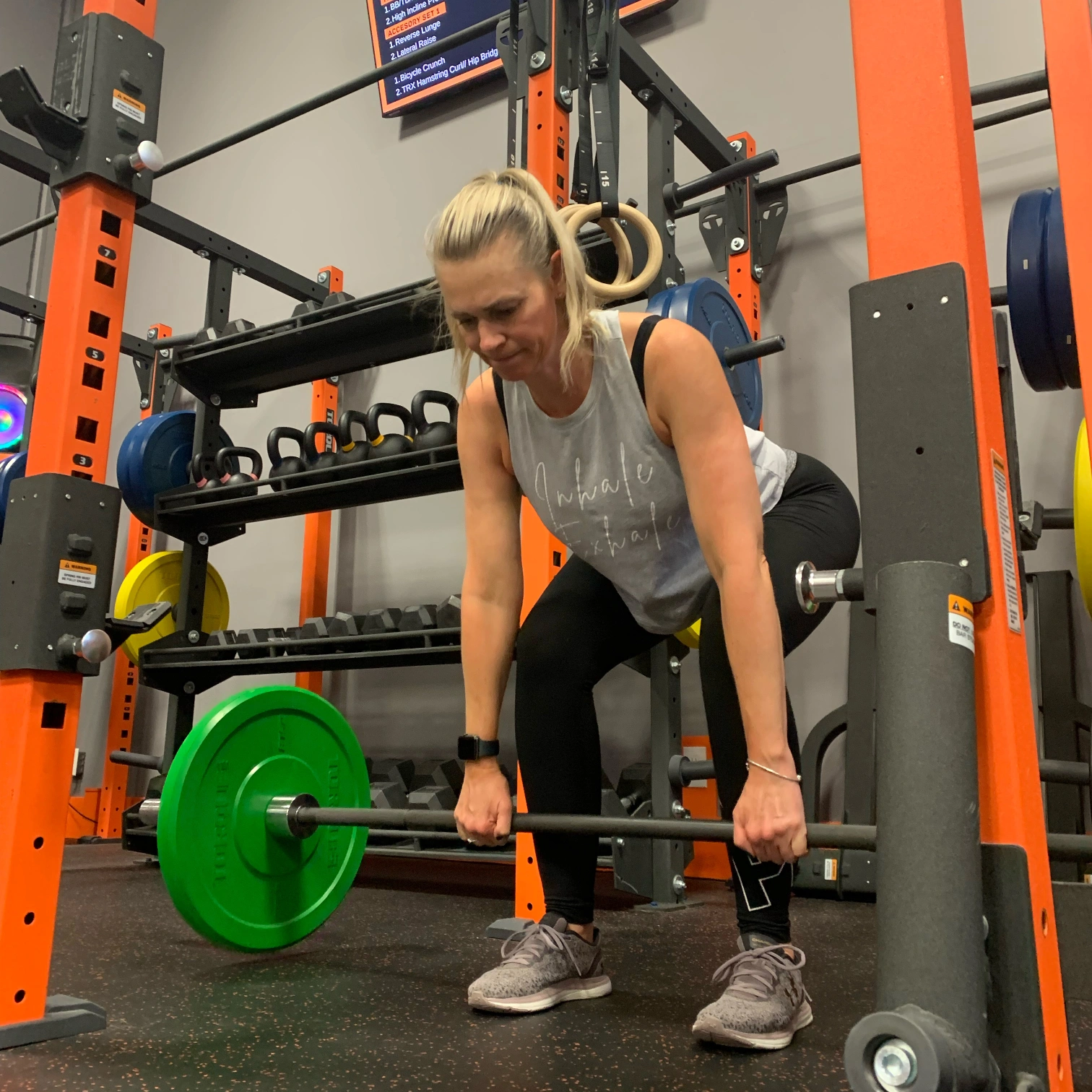
For lower body training, grip plays a different role. Grip strength matters for heavy deadlifts, dumbbell lunges, step ups, and other loaded lower body movements, but often more as a limiting factor than a driver of performance. You may of heard me say "let the main thing, be the main thing." Eventually your legs, glutes, and posterior chain may become strong enough that your hands fail before your lower body does, this is normal. Your lower body simply has much greater force producing potential than your forearms and hands. At a certain point, using straps becomes less about cheating and more about making sure the muscles you are trying to train continue receiving enough of a training stimulus. If your hands fail before your legs, your lower body is no longer being challenged effectively. We see this fairly often in athletes in our hockey training programs who need heavy lower body loading but whose grip becomes the bottleneck first.
As for grip positioning during lower body lifts, it generally matters much less. Personally, I prefer a mixed grip for heavier deadlifts with one palm facing toward me and one away. For those asking, whether you should alternate sides regularly or keep the same setup every time, its unlikely to drastically influence performance. Consistency and comfort usually matter more for bigger lifts and more output.
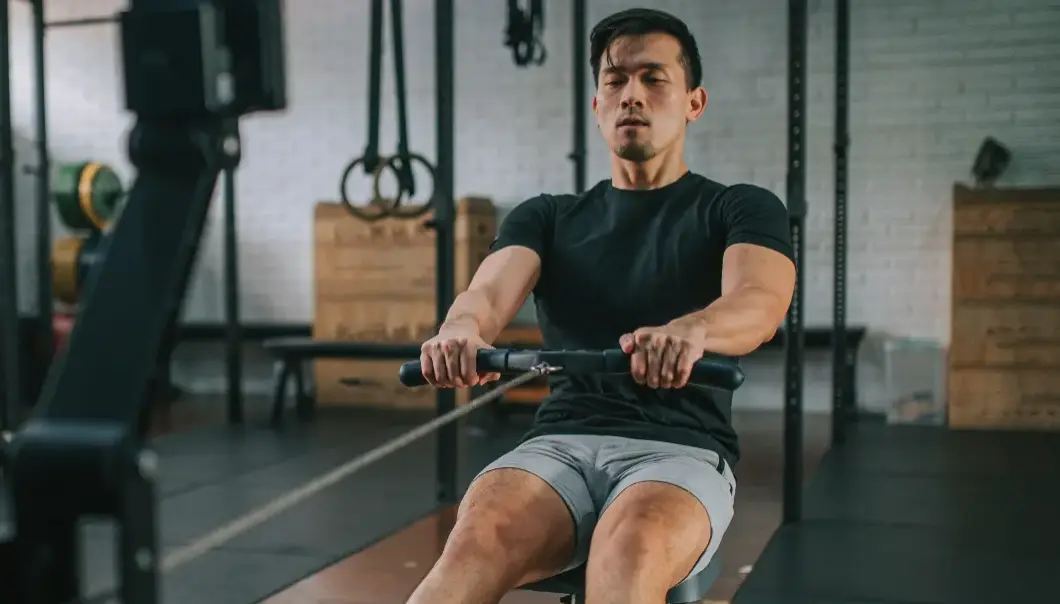
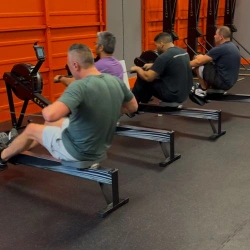
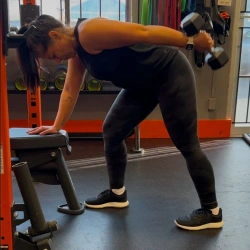
So the question becomes, should you actually train grip directly? For most people, probably not. Direct grip work has its place for climbers, wrestlers, hockey players, strongman athletes, or people rehabbing certain injuries. But for the average gym member, the best way to improve grip is often the least exciting answer possible, pick up heavy things and hold onto them. Rows, deadlifts, pull ups, dumbbell rows, and simply progressing your normal strength training over time like we do in small group and personal training often provides enough stimulus for grip to improve organically. Since we know, as I've said it 100 times now, the body adapts to the stresses placed upon it.
That said, if your grip prevents you from training because of pain, previous injury, or limitations through the wrist, elbow, or shoulder, targeted active rehab strategies can absolutely help. Sometimes improving grip capacity is less about crushing hand grippers and more about improving overall function through the kinetic chain.
At the end of the day, grip strength is a little like flossing. Most people know it matters, very few people get excited about it, but maintaining it over years may quietly contribute to better performance in the gym, healthier aging, and staying capable of doing the things you enjoy outside of it. Also, stronger grip means opening pickle jars without asking for help, which (non) scientifically may be the highest form of functional fitness.
You've got the info now it's time to take AIM,

.webp)




.webp)

.png)




.webp)