
If you’ve ever looked at your body and thought everything should be perfectly even, you’re already chasing something that doesn’t really exist. The human body is biologically asymmetrical by design. If you were to slice the body front to back, you’d see that nothing is truly the same on the left and right. The liver sits predominantly on the right, the heart leans to the left, and even the brain has a slight leftward orientation in the skull. Internal fluid dynamics tend to move leftward, which influences how our rib cage and pelvis orient, often resulting in a natural rightward rotation through the skeleton. In other words, you were built a little “off” from the start, and that’s completely normal.
With that in mind, the goal isn’t to force perfect symmetry. The goal is to manage the imbalances that go beyond what your body naturally comes with. These can develop for a number of reasons. Previous injuries, repetitive work or sporting movements, favoring one side during daily tasks, or even just how you sit, stand, and train can all contribute. Over time, certain muscles become more dominant while others fall behind. Your body doesn’t fight this, it leans into it. It is a compensation machine that will always take the path of least resistance. Think of the famous Bruce Lee quote "like water" idea when it comes to movement. Your body flows into whatever pattern is easiest, not necessarily what is best.
This becomes especially relevant with cyclical activities like running, skating, or cycling. When you repeat the same movement thousands of times, small imbalances get formed. One hip might contribute a little more, one ankle might absorb a little less, and before you know it, you’re dealing with nagging aches or full blown overuse injuries. The frustrating part is that these issues don’t usually show up overnight. They build quietly in the background until something finally pushes past your body’s ability to compensate.
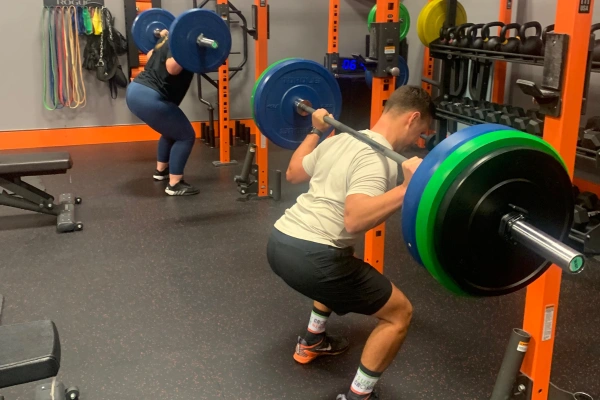
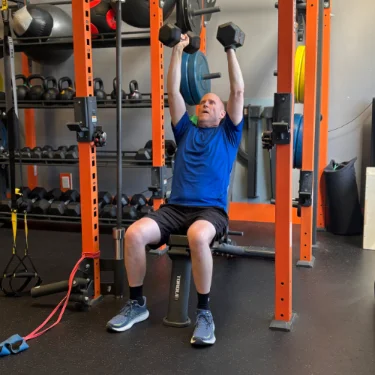
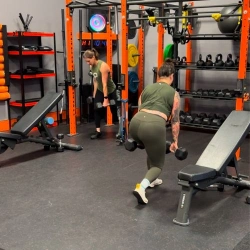
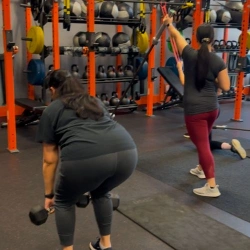
This is where strength training becomes one of the most valuable tools you have. The gym gives you the opportunity to slow things down, control movement, and address each side of the body more intentionally. But here’s where I think a lot of people miss the mark. It’s not enough to just throw stretching or foam rolling at a problem and hope it goes away. Believe it or not, stretching as we know it, actually has roots in the French military as a way to prepare soldiers for movement and reduce injury risk, but much of its long term effectiveness on its own is still debated and often based more on anecdote than solid adaptation.
What tends to work better is a more complete approach. During my Masters degree, one of my colleagues compared different mobility strategies including foam rolling, stretching, and simply training through full ranges of motion. All three improved mobility in the short term. But the real, lasting changes came when they were combined. This is where I think a more structured approach comes in to play.
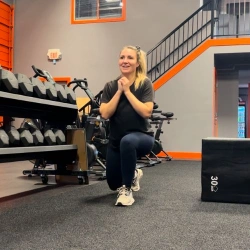
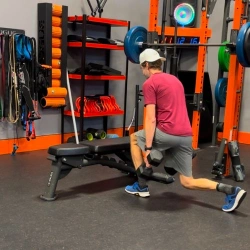
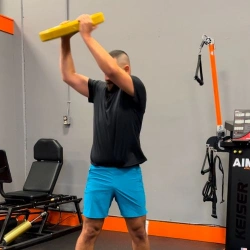
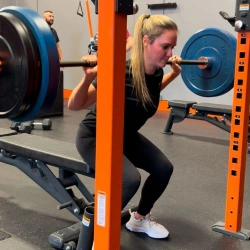
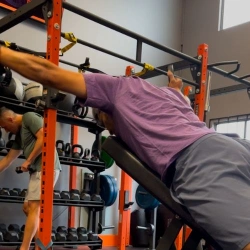
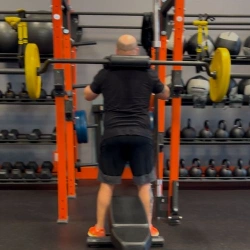
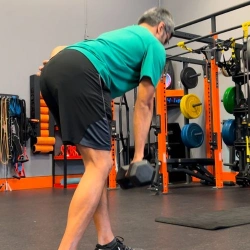
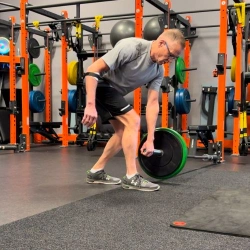
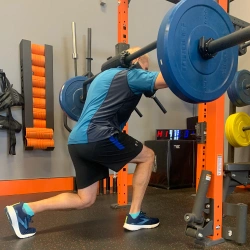
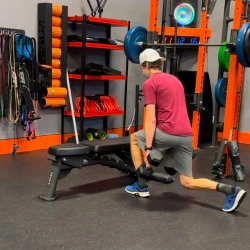
Think of it as a simple three step process. Massage, stretch, train. If someone comes in with sore knees and we identify tight quads as a contributing factor, we don’t just park them in a stretch and call it a day. A better strategy might start with 1 to 2 minutes of foam rolling to reduce tone and improve tissue tolerance. Then we follow it with 1 to 2 minutes of targeted stretching to take advantage of that temporary window of increased range. But the most important step comes next. We load that new range of motion. That could be step downs, split squats, or another quad dominant movement, ideally with a controlled eccentric to teach the body how to own that position.
That last piece is what turns temporary changes into something more permanent. From a physiological standpoint, you’re not just lengthening tissue, you’re improving how your nervous system controls that range. You’re giving your muscles and joints a reason to keep that mobility instead of snapping right back to where they started.
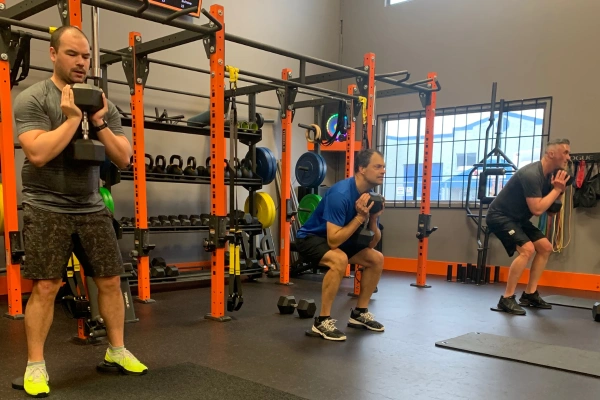
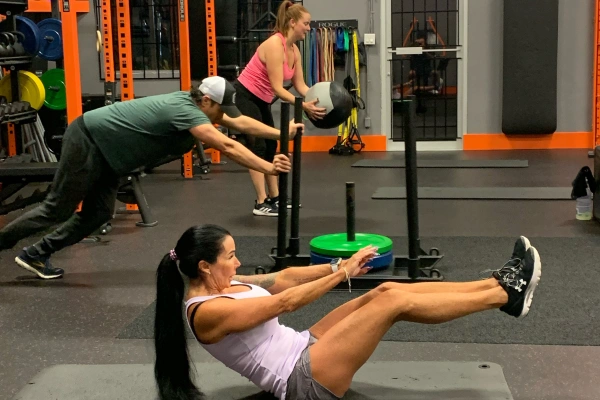
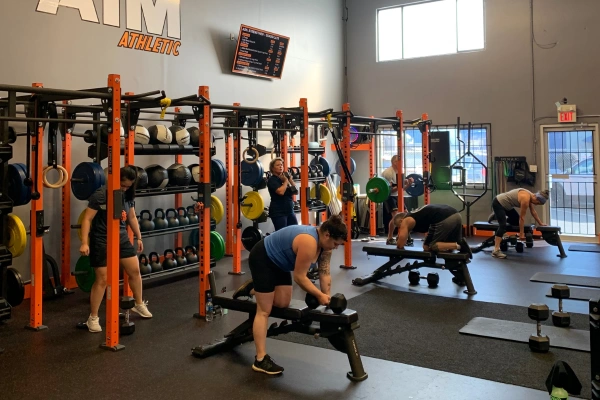
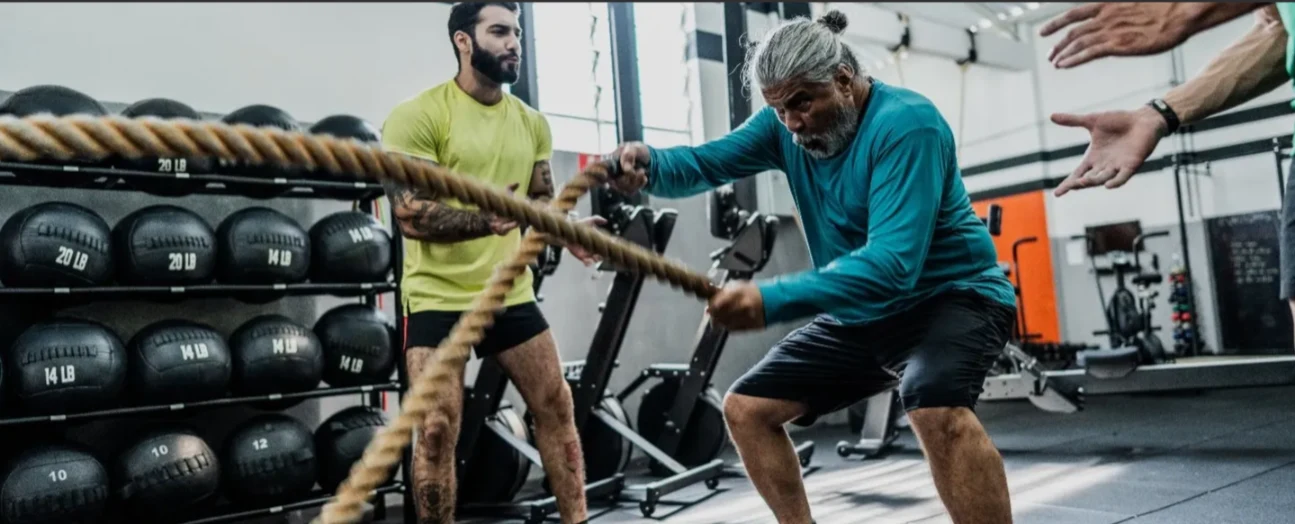
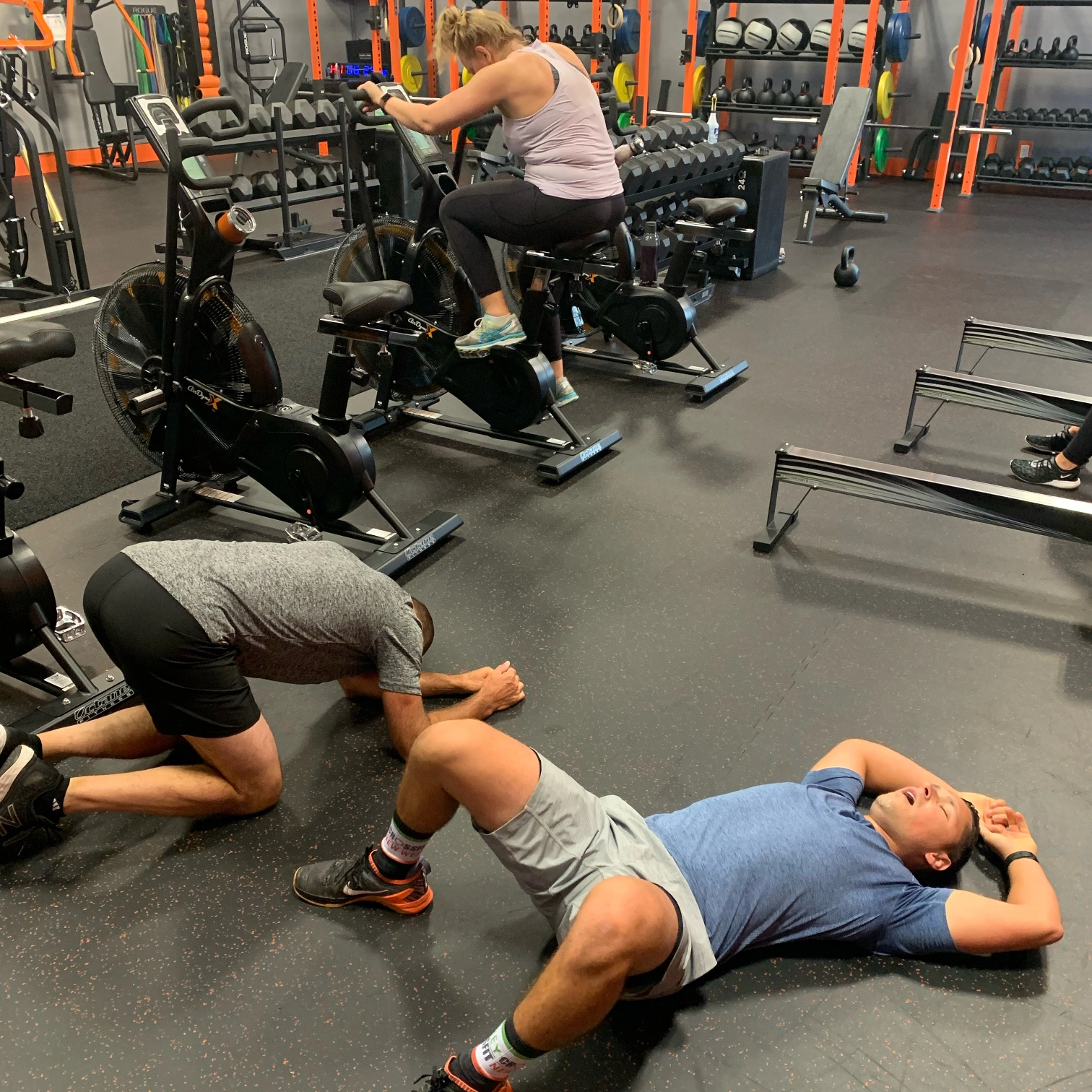
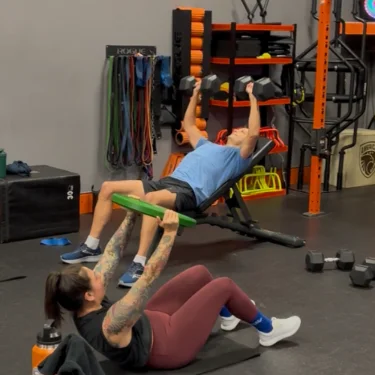
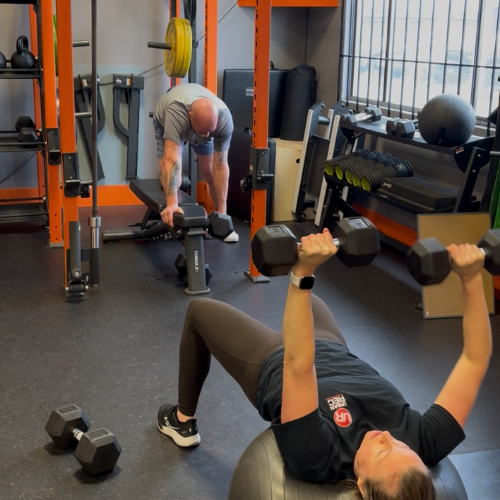
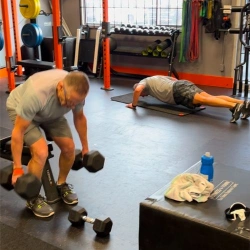
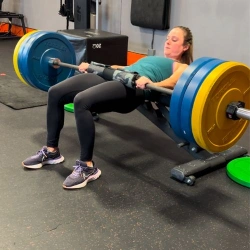
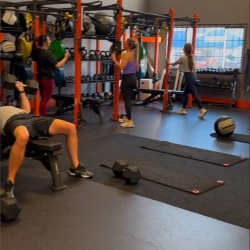
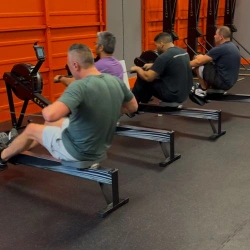
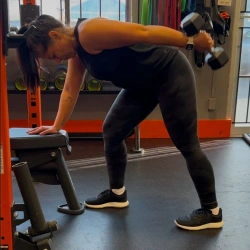
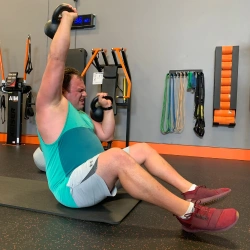
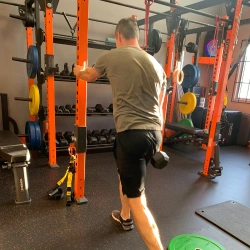
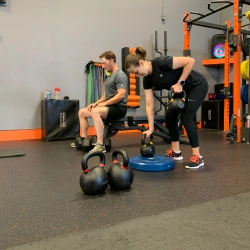
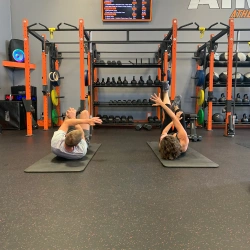
This is exactly how I'd like to approach training at AIM Athletic. Whether you’re in our small group personal training, working one on one, going through active rehab, or preparing for a hockey season with hockey training, the goal is always the same. Identify what your body is doing, understand why it’s doing it, and then apply the right combination of strategies to improve it. Not just for a session, but for the long term.
Because at the end of the day, your body doesn’t need to be perfectly symmetrical. It just needs to be strong, adaptable, and capable of handling whatever you ask it to do. And if we can clean up some of those imbalances along the way, you’re going to move better, feel better, and probably enjoy your training a whole lot more.
You've got the info now it's time to take AIM,

.webp)




.webp)


.png)




.webp)