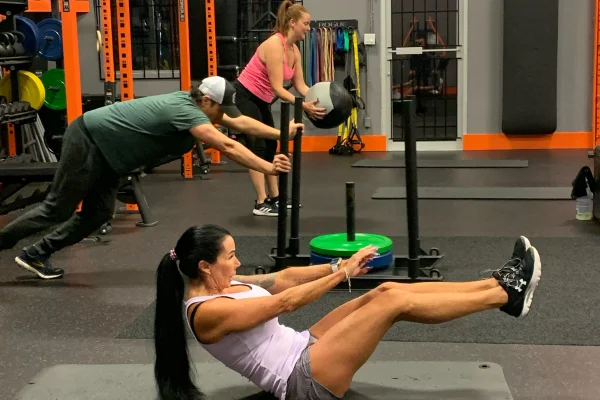
Walk into almost any gym and you’ll hear someone say, “I don’t want to lift heavy because I’m worried about getting hurt.” Usually this comes from someone with an old injury, a sore knee from 2007, or a parent convinced their teenager touching a barbell will instantly shatter every growth plate in their body. Heavy lifting has developed a reputation for being dangerous, but for most people, appropriately programmed strength training is one of the safest and most effective ways to improve long term health, resilience, and physical function.
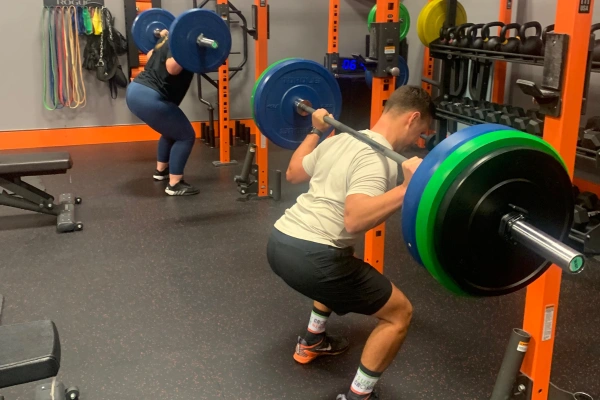
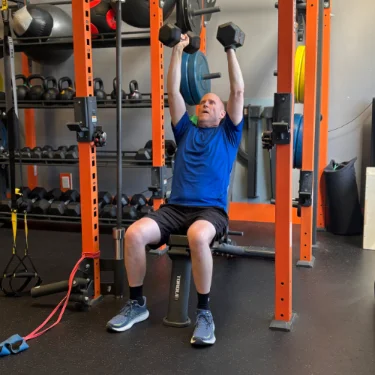
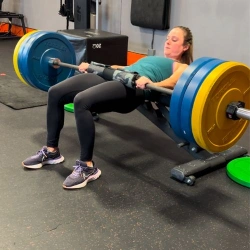
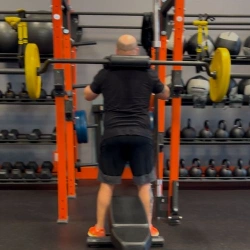
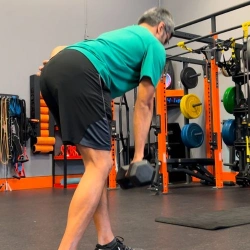
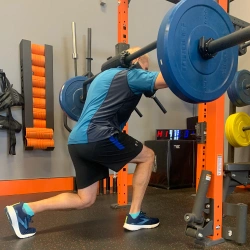
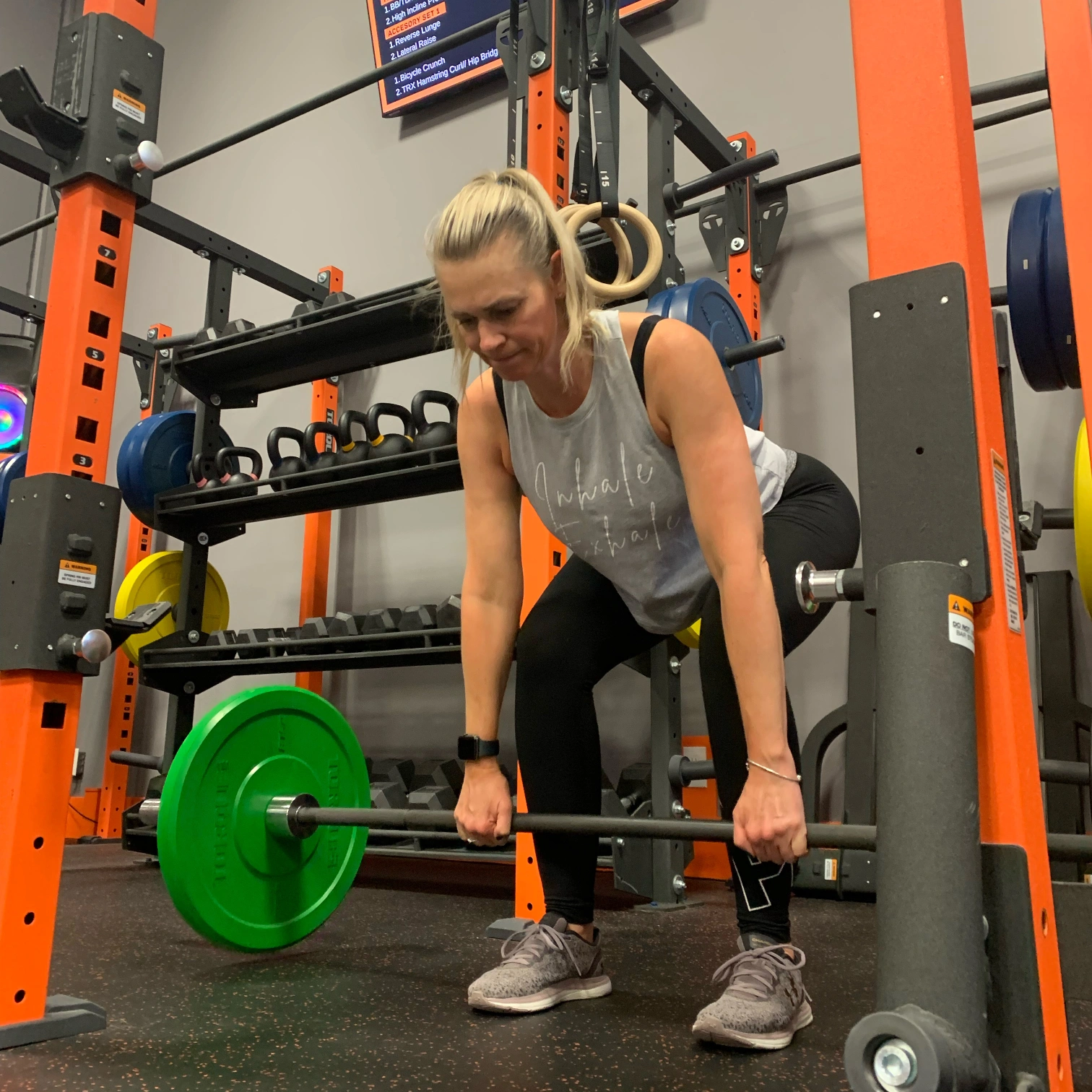
Before talking about whether heavy lifting is risky, it helps to define what “heavy” actually means. In strength training, heavy loading is generally considered around 82–87% of your one rep maximum (1RM), or roughly the amount of weight you could perform for about 6–10 difficult repetitions before failure. For one person this may be a 25lb goblet squat, while for another it could be a 400lb deadlift. The body does not understand numbers on a barbell, it understands stress, stretch and tension. Heavy simply means challenging enough to allow adaptation to occur.
Those adaptations are one of the reasons strength training is so valuable. Lifting heavier loads promotes myofibrillar hypertrophy, if you've read some of my previous posts, you'd remember that this refers to an increase in the density and size of the proteins inside muscle fibres responsible for producing force. Put simply, your muscles become better at generating strength rather than just appearing larger. The nervous system also becomes more efficient at recruiting muscle fibres and coordinating movement, which is one reason people often become stronger before they noticeably gain muscle mass.
Muscle is only one piece of the puzzle . Bones also respond to repeated heavy loading by increasing density, tendons remodel and improve their tolerance to force, and connective tissues adapt to stress over time. Your body is surprisingly good at becoming harder to break when given the right stimulus. The opposite is also true. Tissue that is never challenged has little reason to stay strong. In other words if you don't use it, you lose it.
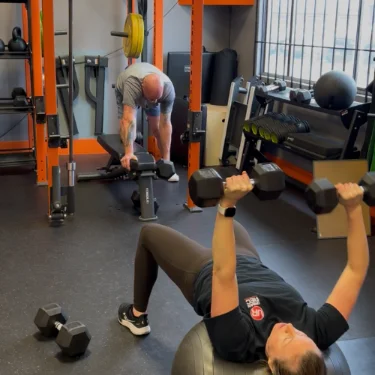
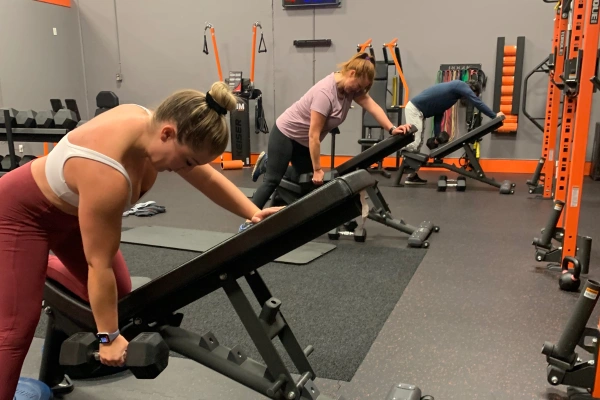
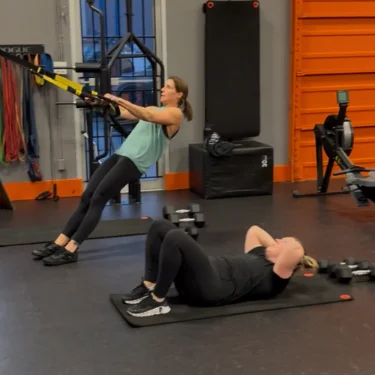
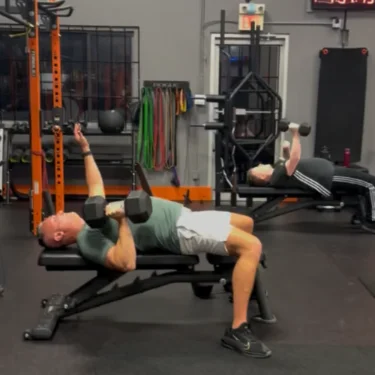
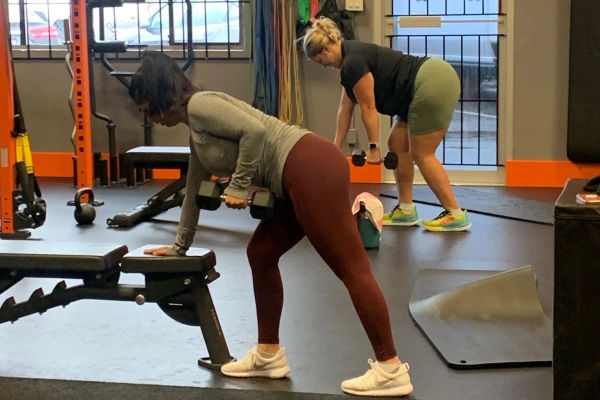
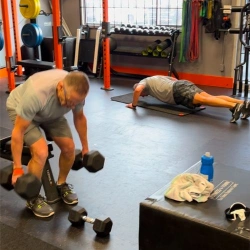
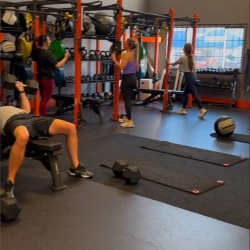
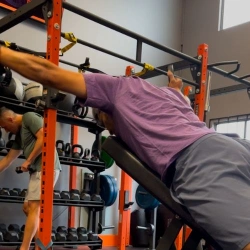
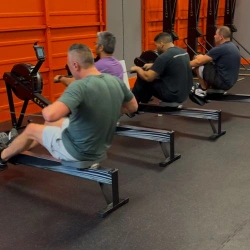
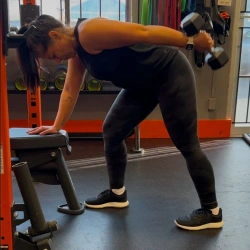
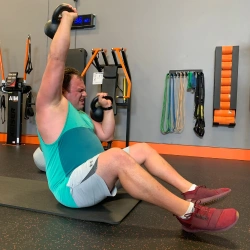
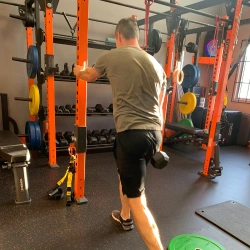
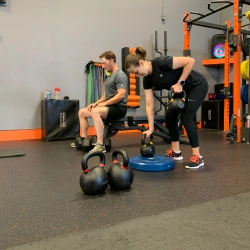
This is often where fear around lifting starts to become counterproductive. Many people entering our small group personal training, personal training, or active rehab programs assume previous injuries mean they should avoid heavier loading entirely. In reality, most people do not need less loading, they need better managed loading. Exercise selection, progression, and coaching usually matter far more than whether a weight is considered heavy.
A similar misconception exists with younger athletes. Parents are often concerned about kids lifting weights despite research reviewed by the International Olympic Committee suggesting supervised resistance training carries relatively low injury risk and in many cases may be safer than participation in organized sport. Hockey, soccer, football, and other sports involve sprinting, collisions, rapid changes of direction, and unpredictable movement. Ironically, many parents worry less about their child being checked into the boards than performing a properly coached squat.
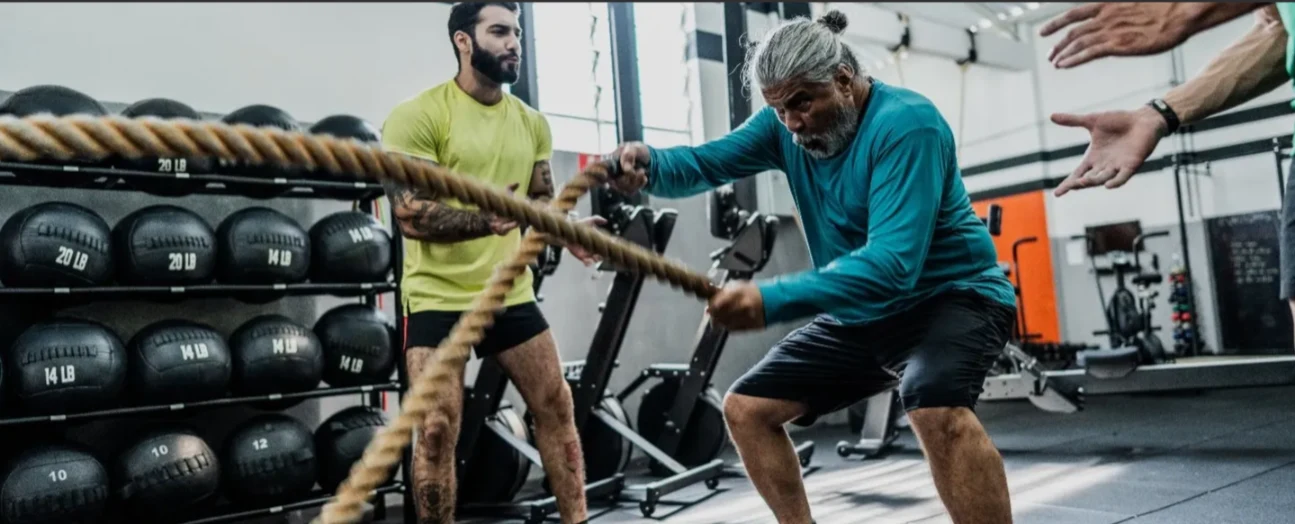
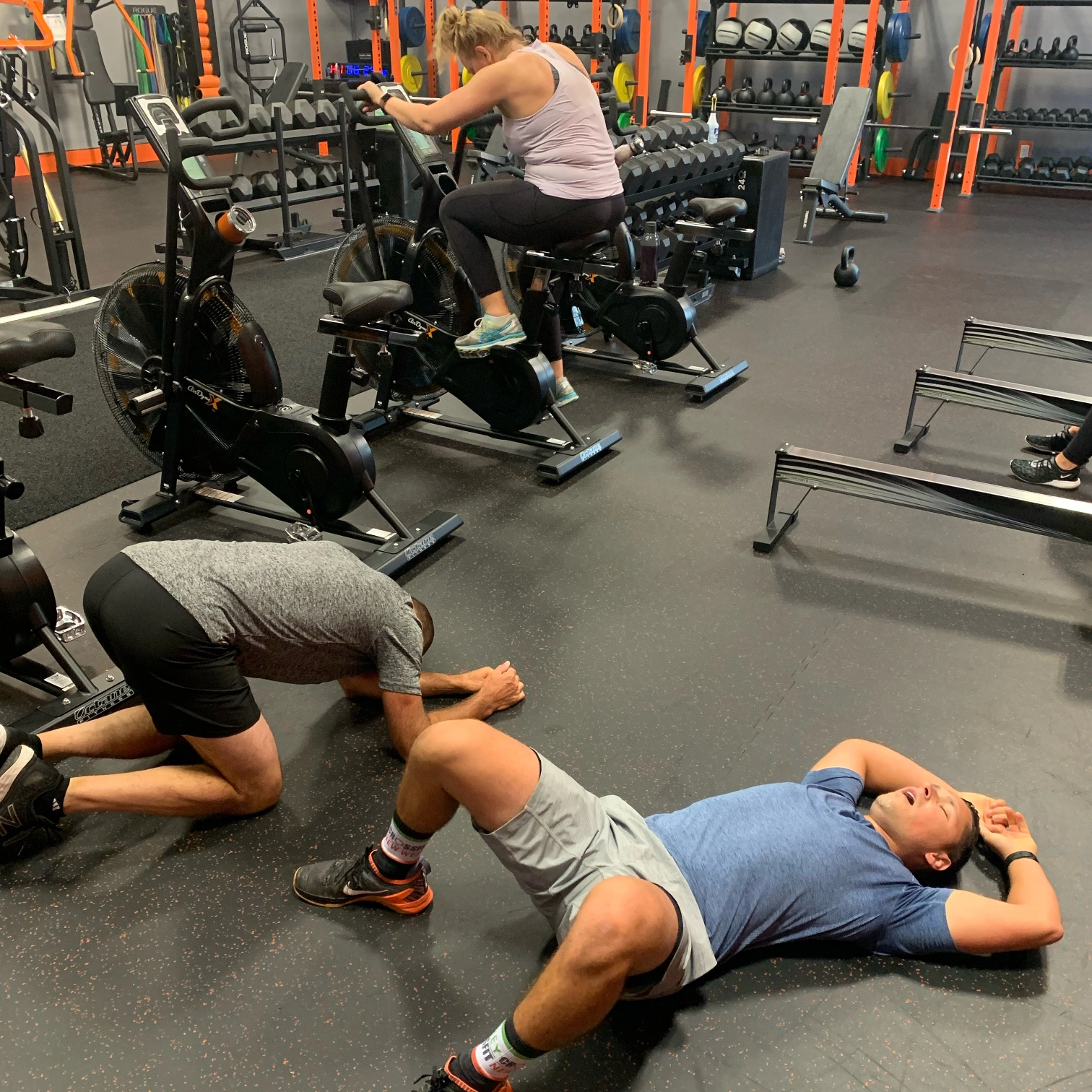
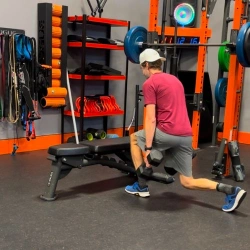
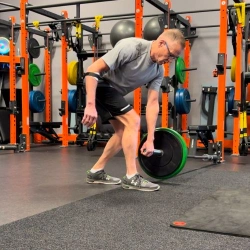
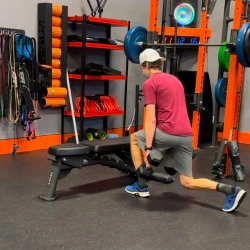
That understanding shapes how we approach youth training at AIM. The goal is not seeing how much weight a 13 year old can put on a barbell, but teaching movement quality, coordination, and gradually increasing capacity over time. The same principles apply to adults in active rehab, personal training, and small group sessions. Capacity is built progressively because everyday life eventually demands strength. Carrying groceries, lifting grandchildren, shovelling snow, moving furniture, or catching yourself during a stumble all require force production. Life rarely asks if you would prefer a lighter weight.
People absolutely can get injured in the gym, but injury is rarely explained simply by lifting heavy. More often it comes from progressing too quickly, poor technique, training through pain, or skipping the part where patience is required. For most people, the bigger risk is not becoming “too strong.” The bigger risk may be reaching an age where everyday tasks feel heavy because strength was never developed in the first place.
Appropriately programmed heavy lifting is not reckless. For most people, it may be one of the safest long term investments they can make in maintaining independence, resilience, and quality of life.
You've got the info, now it's time to take AIM!

.webp)






.webp)


.png)




.webp)