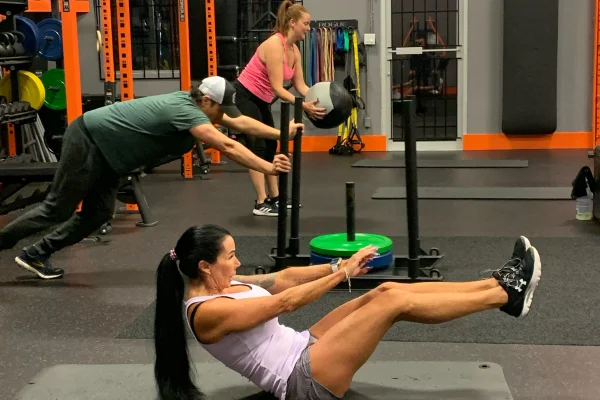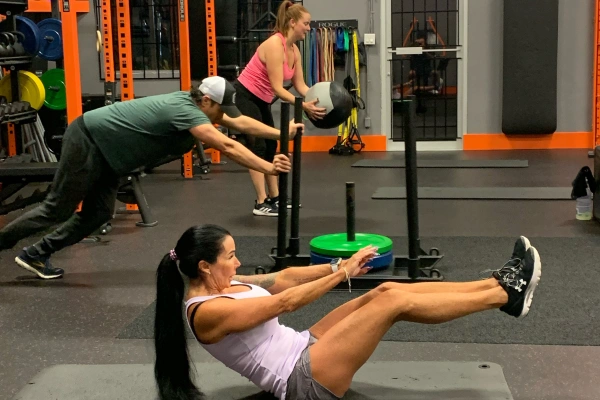

“Abs are built in the kitchen” is something you've probably read online or heard from a trainer at some point. There is of course some truth to it, and what you eat can affect how much body fat you carry, and body fat affects whether your abdominal muscles are visible at the beach. But the saying skips over one fairly important detail, that I think most people forget about. Abs are muscles, and if you want more muscle, you have to train them.
First lets start with a quick anatomy lesson, because I occasionally like to ruin a catchy saying with science. Everyone has abs, yes, even you. The muscle we usually picture when someone says “six-pack” is the rectus abdominis. This which runs up the front of your abdomen from your pelvis toward the bottom of your rib cage. It helps flex your trunk forward, during a crunch, and contributes to stabilising your spine when you move or carry boxes out of your garage. The visible “blocks” of the abs are created by bands of connective tissue that cross the muscle. The arrangement of these blocks varies from person to person, which is why two people with similar amounts of muscle and body fat can have quite different looking abs. So while you can build the muscle, you cannot rearrange where those bands sit.
Whether those blocks show in the mirror or not, comes down mainly to two things. First how much abdominal muscle you have and second how much fat sits between that muscle and your skin. That is more or less what people mean when they say they want to look “toned.” Let me shout this out for the people in the back, there is no separate toning process that turns a soft muscle into a firm one. You can develop the muscle, reduce some of the fat covering it, or do both. Genetics also influences where you tend to store fat and the shape of the muscle underneath, so there is no universal body-fat number at which everyone suddenly wakes up with the same six-pack.
This is where the kitchen saying gets its credibility. If someone reduces body fat over time, their abs may become easier to see, even if they never add a single crunch to their program. Changes to eating habits can help with that, and cardio and resistance training can contribute too. What abdominal exercises cannot reliably do is choose where fat comes off. You cannot crunch away the fat directly over your stomach any more than you can do biceps curls to selectively remove fat from your arms. That would be convenient, but unfortunately our bodies did not consult the fitness industry when deciding how fat loss works.
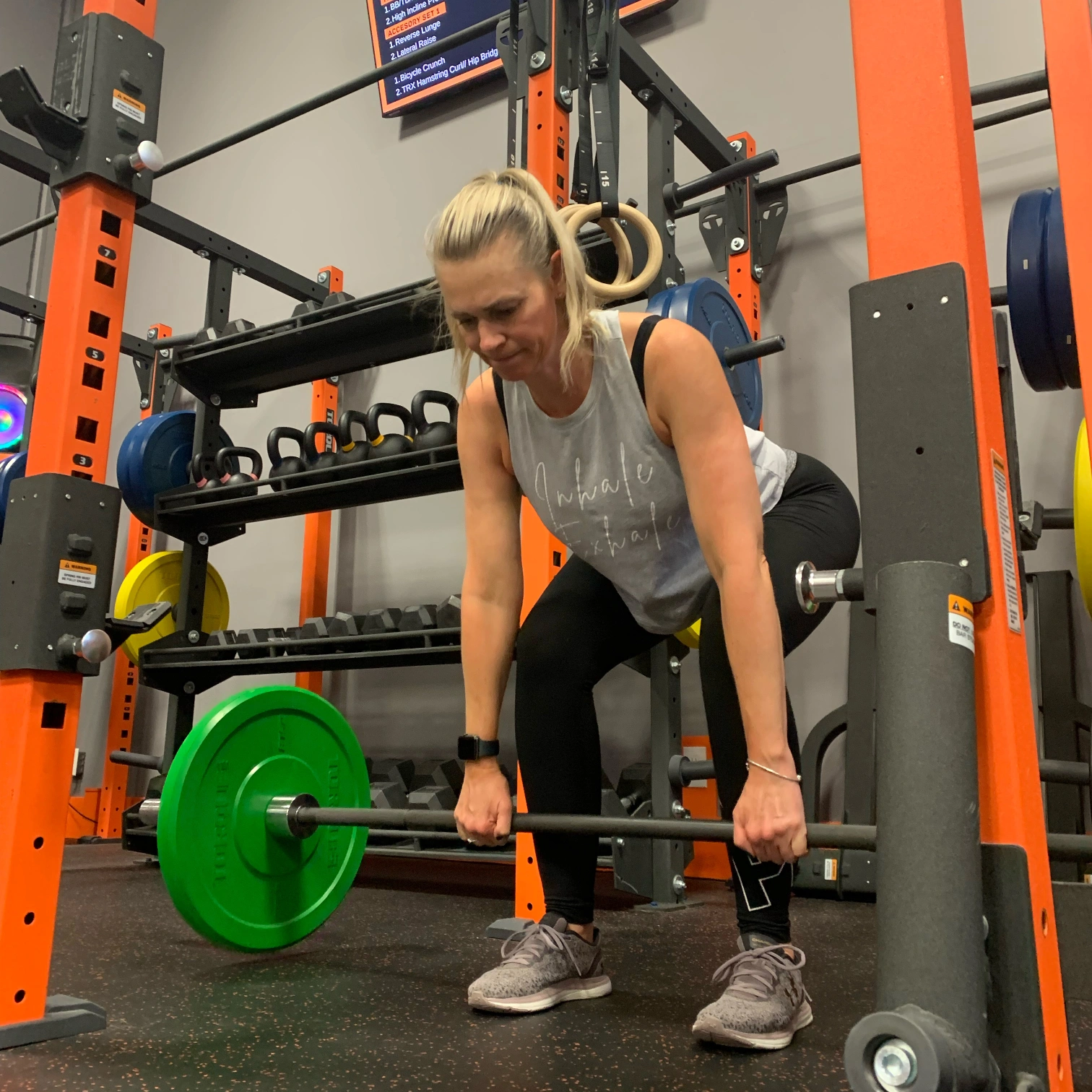
As I mentioned earlier, the part I think gets neglected is the muscle side of the equation. Many people train their legs, chest, and back with progressively heavier loads, then finish with the same thirty seconds of abs they have been doing since high school. Others are told they do not need direct ab training at all because heavy squats and deadlifts already “hit the core.” Your abs certainly contract during those big lifts. They help brace your trunk so you can transfer force and maintain position under load. That is useful work, but a muscle contributing to one exercise does not mean you have given it every stimulus it could benefit from.
Think of it this way, your biceps help during a row or pull up, but nobody would find it strange if you also did curls to build your biceps. Your rectus abdominis helps you brace during a squat, but it also produces spinal flexion, bringing your rib cage and pelvis closer together. If developing that muscle is a goal, directly training that movement is a reasonable addition to your workouts. Like other muscles, the abs respond to challenging sets and gradual progression. A set that becomes difficult near the end gives you more reason to adapt than a set you could keep doing indefinitely while planning dinner.
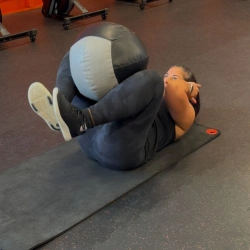
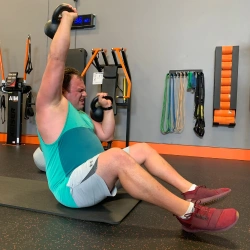
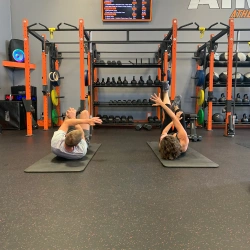
That does not mean everyone needs hundreds of sit-ups. A cable crunch lets you add resistance and work through a controlled range of motion. A weighted crunch can make a familiar movement more demanding. Reverse crunches or leg-raise variations can work well when you focus on curling the pelvis toward the rib cage, rather than just swinging your legs and letting your hip flexors take over. The details matter when it comes to ab training are key, move deliberately, use a range you can control, and increase the challenge as you get stronger. You should feel like you trained your abs, not like you survived a competition to see who can do the most frantic reps.
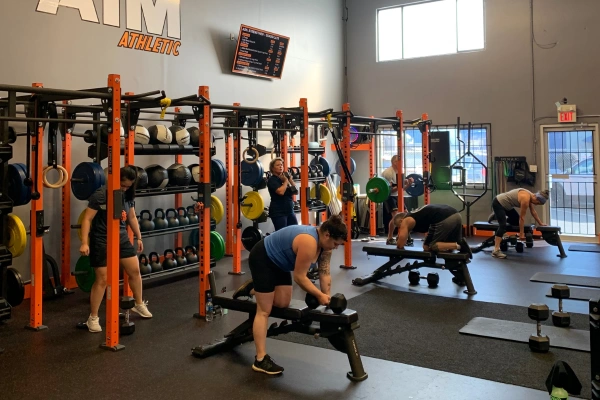
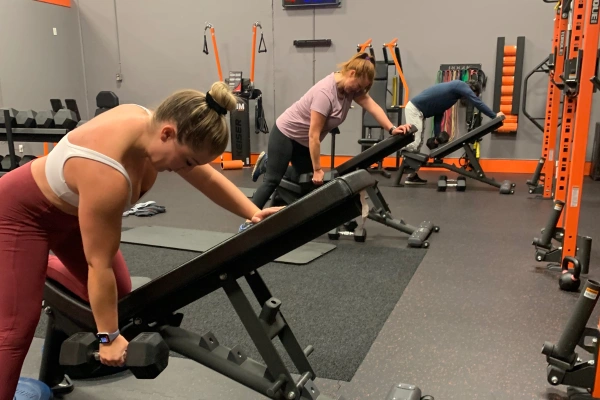
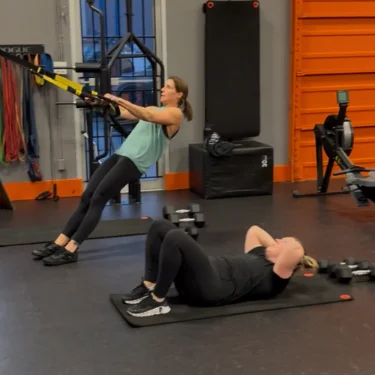
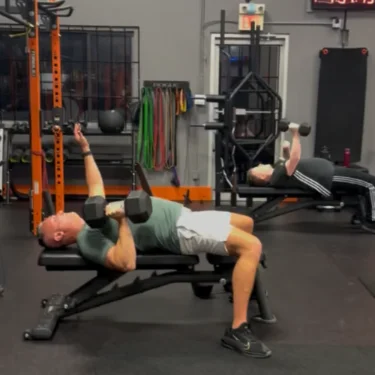
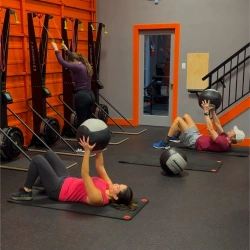
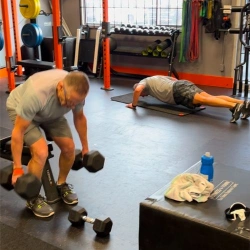
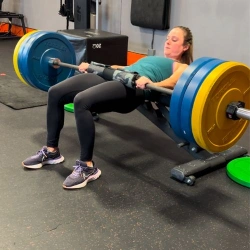
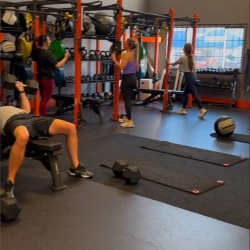
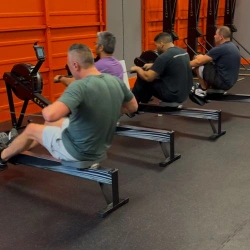
At AIM Athletic, that approach can look different depending on why you are here. In Small Group Training, it might mean progressing from a basic core exercise to a loaded variation once you can control it well. In Personal Training, we can give direct abdominal work more attention if building that muscle is a specific goal. In Active Rehabilitation, we may start with comfortable trunk control and gradually build tolerance for harder movements and loading. The starting points differ from person to person, but the principle is consistent and that is choose an appropriate exercise and progress it over time.
So, are abs built in the kitchen? The kitchen can help determine whether you see them, but it does not do their training for them. If visible abs are your goal, body fat and muscle development both matter, while genetics influences the final appearance. And if visible abs are not your goal, training your abdominal muscles can still be worthwhile. They do quite a bit for you besides more likes on Instagram.
You've got the info, now it's time to take AIM!

.webp)




.webp)

.png)




.webp)