
Foot training is one of those topics that tends to get overlooked in the gym because it is not flashy and it does not feel as rewarding as loading up a barbell. At the same time, the feet are the literal foundation of everything we do in training and in daily life. Every step, squat, sprint, and change of direction starts with how force is absorbed and produced through the foot. Anatomically, the foot is made up of 26 bones, over 30 joints, and a multiple muscles that help support the arch, control stiffness, and provide sensory feedback to the nervous system. When those structures are strong and responsive, the rest of the body tends to move better and with less compensation.
A strong, well functioning foot improves stability, balance, and force transfer up the kinetic chain. From a physiology standpoint, the foot muscles play a key role in maintaining your arch and managing your ground reaction forces. When the arch can stiffen appropriately, it allows force to move efficiently from the ground into the ankle, knee, hip, and trunk. This is important not just for athletes, but also for small group training members and active rehab clients who want to move with less pain and more confidence. Poor foot strength or control can increase stress at the ankle, knee, and even the low back because the body has to find stability and stiffness somewhere else.
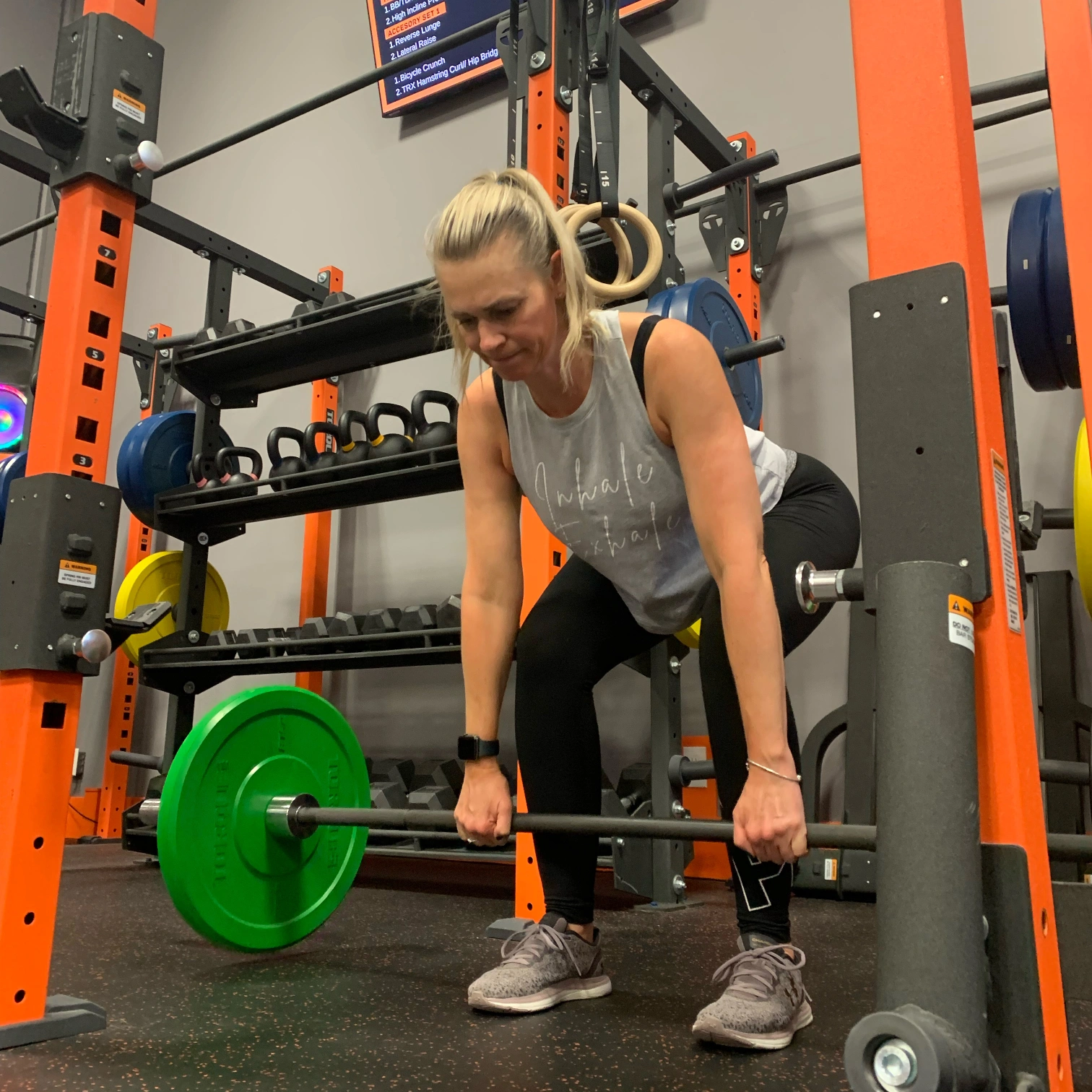
Interestingly, a recent study looked at foot muscle activation during heavy compound lifts such as squats, deadlifts, and lunges. You would assume that because these exercises involve high loads and full body tension, the foot muscles would be working extremely hard. What the researchers found was somewhat surprising. Even at higher intensities with heavier weights, activation of the primary foot muscles remained relatively low. In other words, simply squatting or deadlifting heavy does not automatically train the foot muscles in a meaningful way, even though the feet are in contact with the ground the entire time.
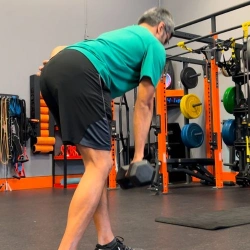
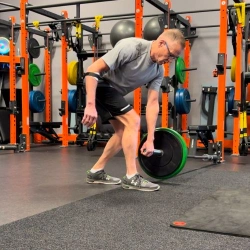
On the other hand, the study did show a clear change when the toes were actively flexed and the forefoot was more engaged. When participants shifted onto the front of the foot or actively used their toes, intrinsic foot muscle activation increased significantly. This makes sense anatomically because toe flexion increases demand on the muscles that support the arch and stabilize the midfoot. By changing how the foot interacts with the ground, the nervous system is forced to recruit those smaller stabilizing muscles that often stay quiet during traditional flat footed lifting.
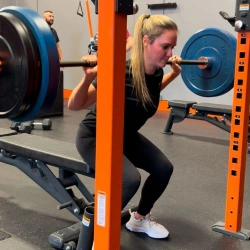
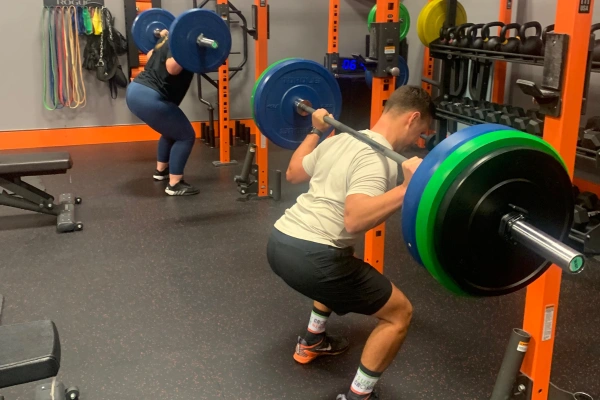
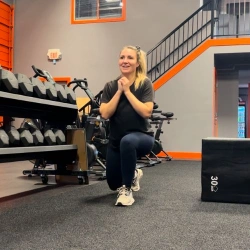
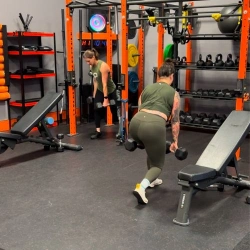
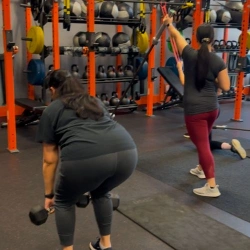
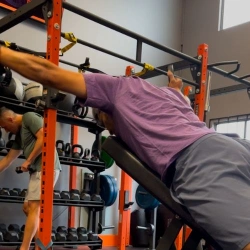
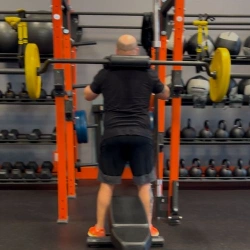
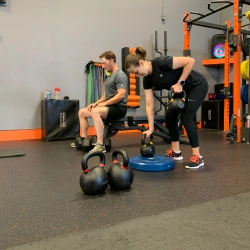
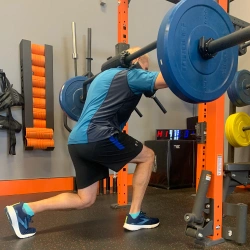
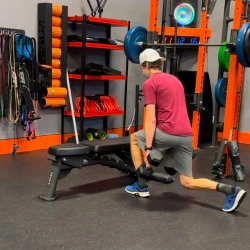
This is something we consciously integrate into training at AIM Athletic. When you see us elevate the heels during certain squat or lunge variations, it is not just about ankle mobility or posture. Heel elevation naturally shifts more pressure toward the forefoot, which encourages greater activation of the foot muscles and improves awareness of how the foot is interacting with the ground. In small group training, this helps members feel more stable and confident in their lower body movements. In youth training, it teaches young athletes how to control their feet early, which pays dividends as they grow and move into more advanced sport specific skills.
For our hockey training athletes, foot strength and awareness are critical. Skating demands the ability to produce force through the forefoot while maintaining stability at the ankle and knee even in stiff boots. Developing better intrinsic foot function in the gym carries over to better edge control, balance, and power on the ice. In active rehab, foot training becomes even more important. Utilizing proper foot mechanics can reduce unnecessary stress on injured joints and help restore efficient movement patterns without overloading sensitive tissues.
Foot training does not mean abandoning heavy lifts or turning every session into barefoot balance drills. It means understanding that traditional strength training does not fully address the needs of the foot on its own. By strategically adjusting foot position, using heel elevation when appropriate, and including simple foot focused exercises, we can build a more complete and resilient system. Strong feet support better movement, better performance, and long term joint health. That is why we continue to pay attention to what is happening at the ground up across all of our programs at AIM Athletic.
You've got the info now it's time to take AIM,

.webp)




.webp)

.png)




.webp)