
There is an uncomfortable truth in the fitness and rehab world that most people do not like to hear. A large portion of this industry exists because people wait too long to take action. We are far more reactive than proactive when it comes to our health. For many, exercise only becomes a priority after something starts hurting, something stops working, or a doctor politely tells you that your lifestyle needs a “few adjustments.” In other words, we tend to treat our bodies like a car that never gets serviced until the check engine light has been on for six months and now it’s making a noise you've never hear before.
What is encouraging, and honestly a bit of a wake up call, is that recent research on individuals in their 40s and 50s shows a very clear trend. Fitness during this stage of life is strongly tied to not just living longer, but living better for longer. We are not just talking about lifespan, but health span. Health span is the number of years you get to live without chronic disease, without major limitations, and without needing to make a game plan before getting off the couch. The data consistently shows that people who maintain higher levels of cardiovascular fitness and strength in midlife tend to delay the onset of chronic conditions like heart disease, diabetes, and metabolic dysfunction. Essentially, the fitter you are, the longer you can push those problems down the road, ideally far enough that they never really become your problem.
From a physiological standpoint, this is not surprising. As we age, we naturally lose muscle mass, a process known as sarcopenia. Along with that comes a drop in strength, metabolic rate, and insulin sensitivity. Cardiovascular capacity also declines (because our muscles can't move us fast enough to maintain Vo2), meaning your heart and lungs are not as efficient at delivering oxygen where it needs to go. Left unchecked, this is where things start to snowball. Muscle loss leads to lower energy expenditure, which makes it easier to gain fat, which then impacts metabolic health, and suddenly the stairs start to feel like a personal attack. Strength training helps preserve and build muscle tissue, which acts as a metabolic engine for the body. Aerobic training improves cardiac output and efficiency, meaning your body does not feel like it is in a crisis every time you have to move quickly. Together, these adaptations support everything from blood sugar control to joint health to brain function.
One of the most important takeaways here is that chronic illness does not just show up one day out of nowhere. It builds slowly over time, often starting decades before you ever notice it. That means what you are doing now is directly shaping how you will feel and function years down the line. This is where being proactive actually matters. Think of the old adage "the best time to plant a tree was 100 years ago, but the second best time is today." You might not be able to go back and change what you did in your 20s or 30s, but you can absolutely influence what your 50s, 60s, and beyond look like. The body is incredibly adaptable, for better or worse. The question is which direction you are pushing it.
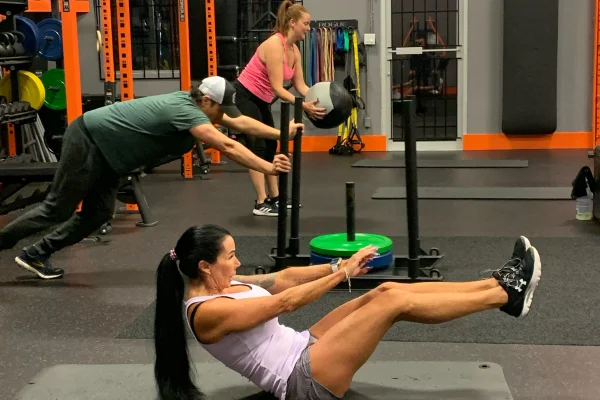
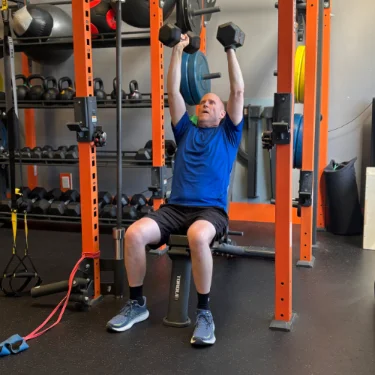
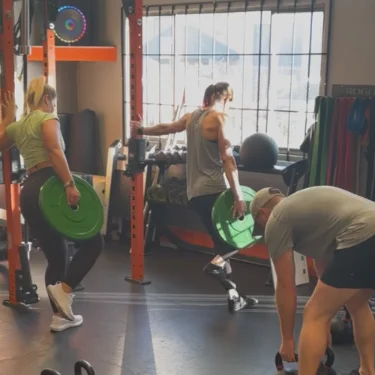
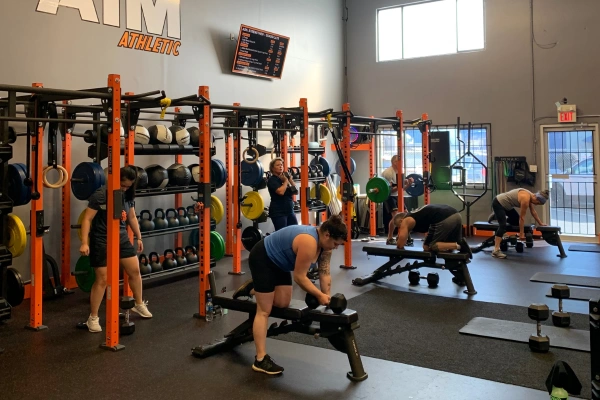
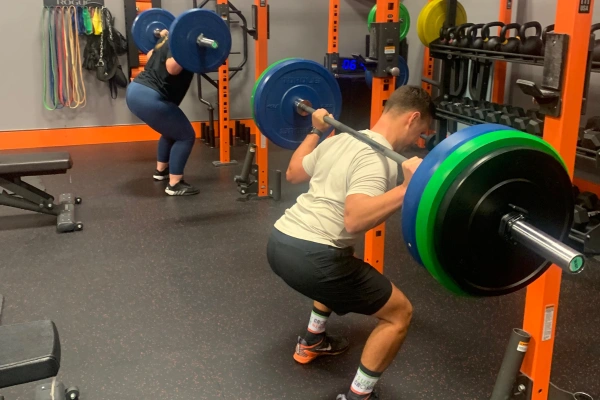
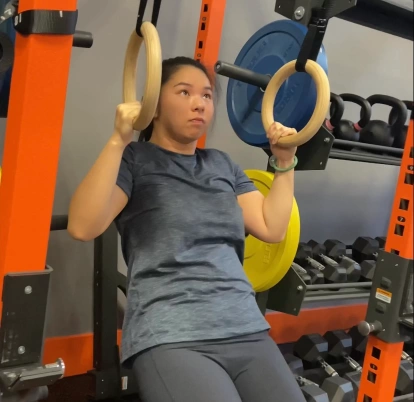
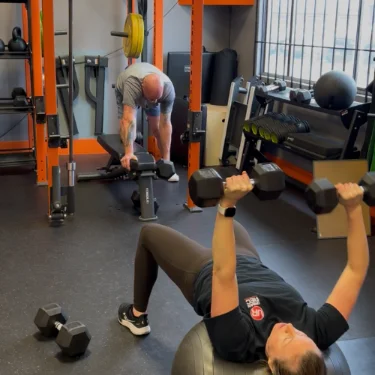
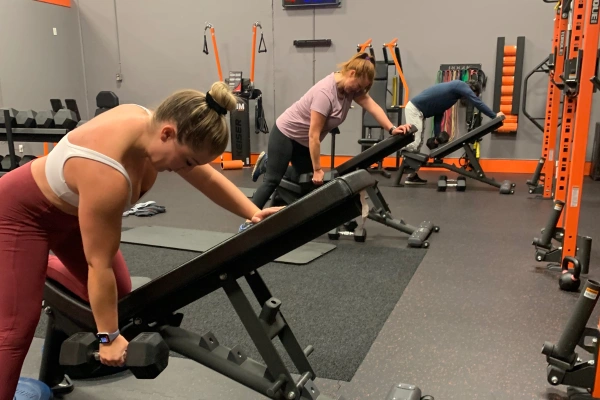
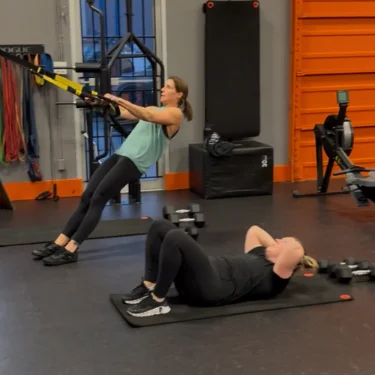
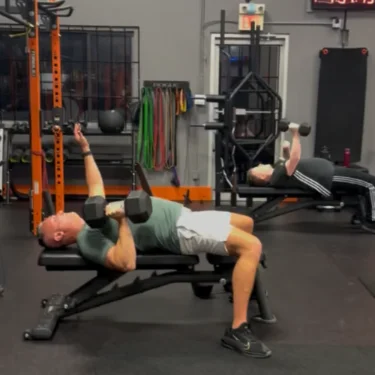
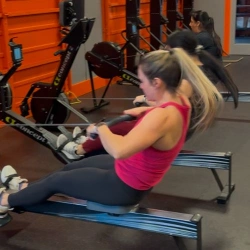
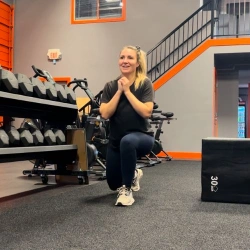
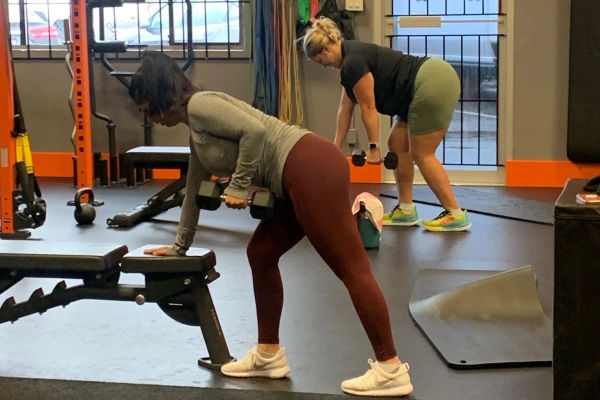
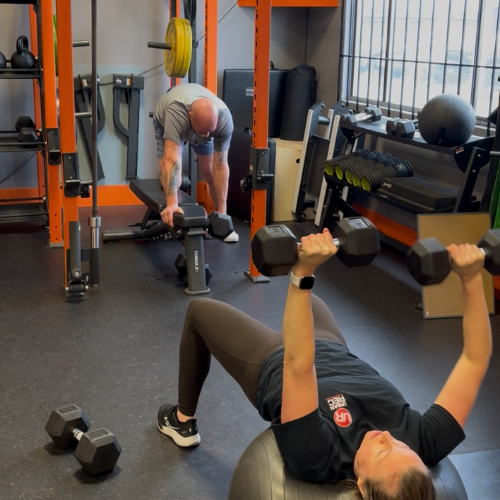
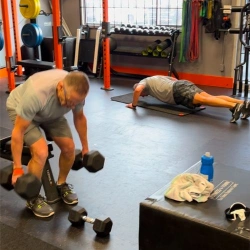
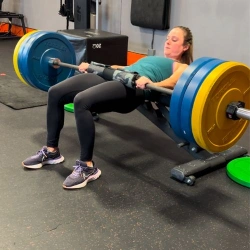
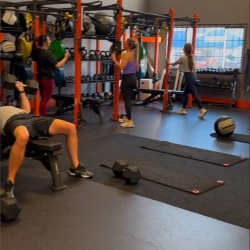
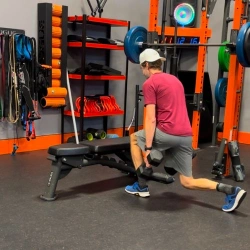
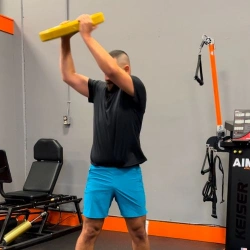
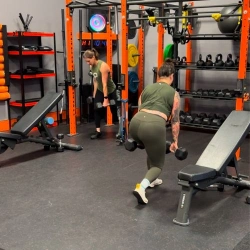
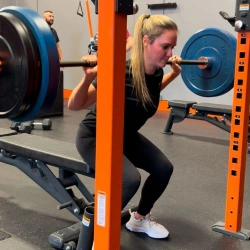
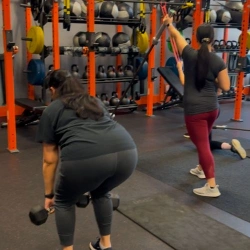
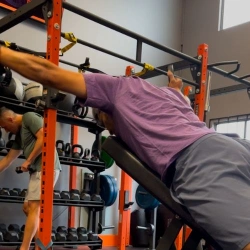
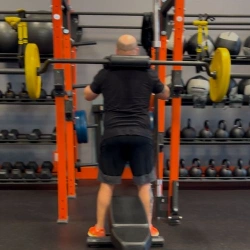
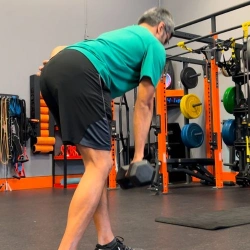
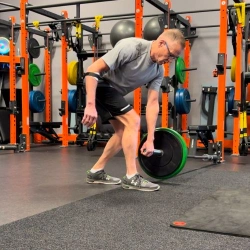
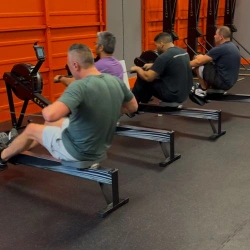
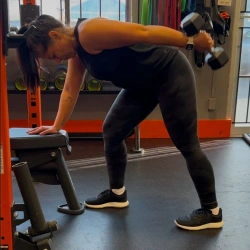
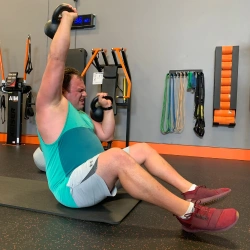
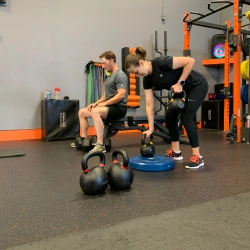
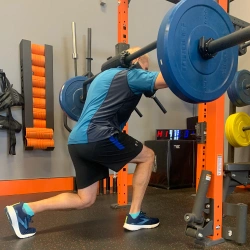
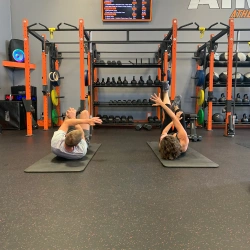
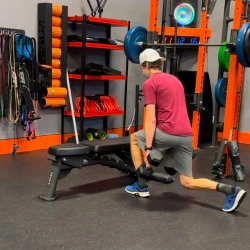
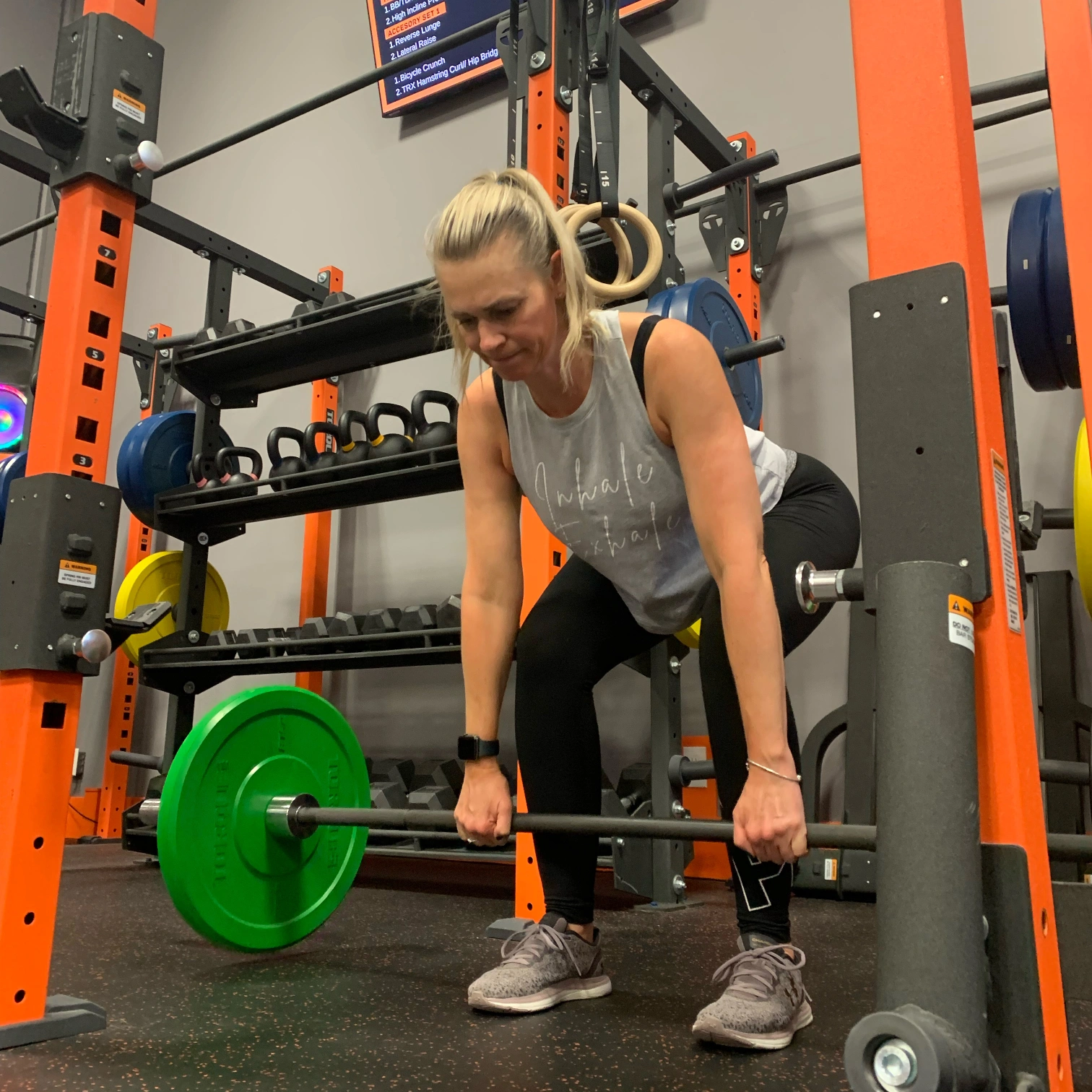
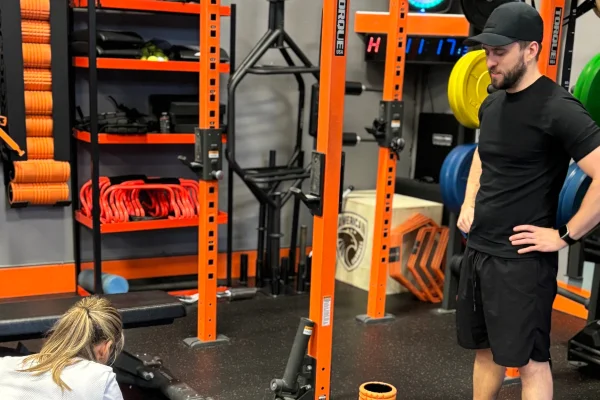
At AIM Athletic, this is exactly what we are trying to do with our small group personal training, personal training, and active rehab programs. The goal is not just to get you through a workout, but to build a body that is resilient and capable long term. In our small group training, you still get individualized coaching and programming, so you are not just another number sweating in the corner hoping you are doing the exercise correctly. For those who've been in accidents and are dealing with injuries or limitations, our active rehab approach focuses on restoring function and building capacity so you can actually get back to doing the things you enjoy. And if you want a more dialed in approach, personal training allows us to finetune everything specifically to you.
If this sounds like a bit of a call to action, that's because it is (just without the dramatic movie soundtrack). Do not wait until you are forced to make a change. Do not wait until getting up off the floor requires a strategy meeting. The people who stay fit into their 40s and 50s are not just adding years to their life, they are making those years a lot more enjoyable. If you are already training with us, keep going. If you have been thinking about starting, now is the time. Your future self will thank you, and probably move a lot better too.
You've got the info now it's time to take AIM,

.webp)




.webp)


.png)




.webp)