.webp)

Recently I had the opportunity to contribute to an article in Women's Health Magazine discussing an important concept in training called periodization called Periodization Training: Fitness Experts Explain Who Should Try the Workout Method. It is a topic that is widely used in high level sport, but it is just as relevant for everyday gym members who want to get stronger, stay healthy, and avoid plateaus.
In simple terms, periodization is the structured organization of training variables over time. Instead of doing the same workouts with the same loads and rep schemes forever, a program strategically adjusts things like intensity, volume, speed, and exercise selection to keep progress moving forward. Periodization Training is typically organized into three levels, the macrocycle, which represents the long term training plan, mesocycles which are focused training blocks lasting several weeks, and microcycles which refer to the day to day workouts within that plan.
The main reason this approach works so well is that the body adapts to stress. If the stimulus never changes, progress eventually slows or stops. Periodization allows training to build progressively over time while managing fatigue and recovery so the body can continue adapting without burning out. Research and coaching practice have shown that structured variation like this can improve long term performance while helping reduce the risk of overtraining and injury.
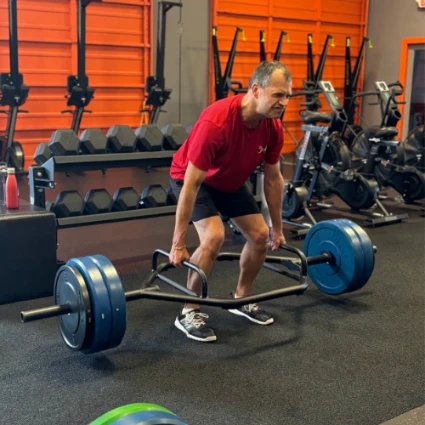
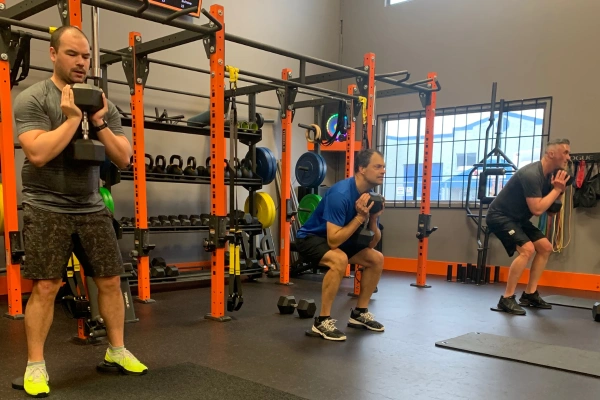
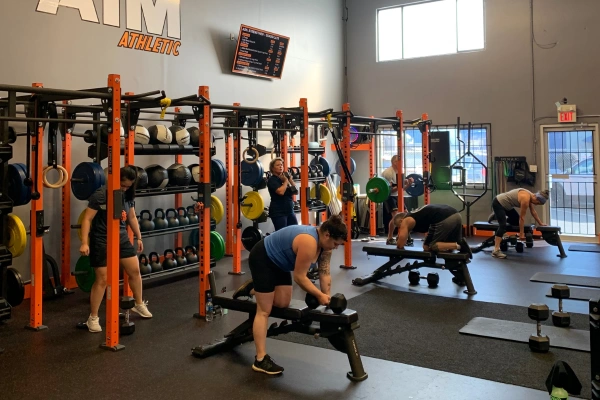
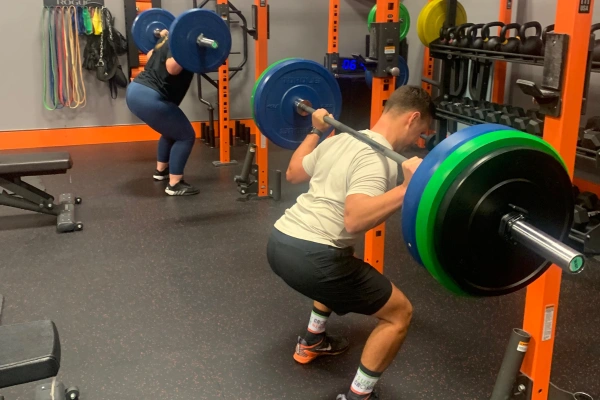
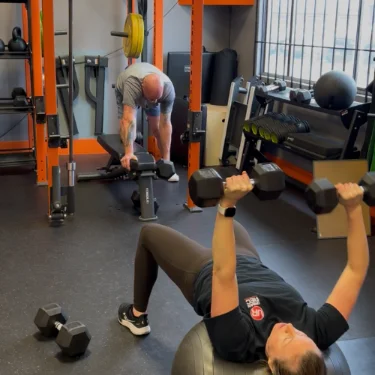
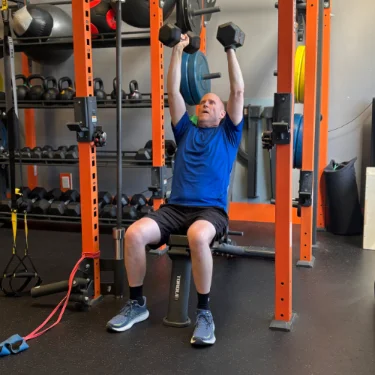
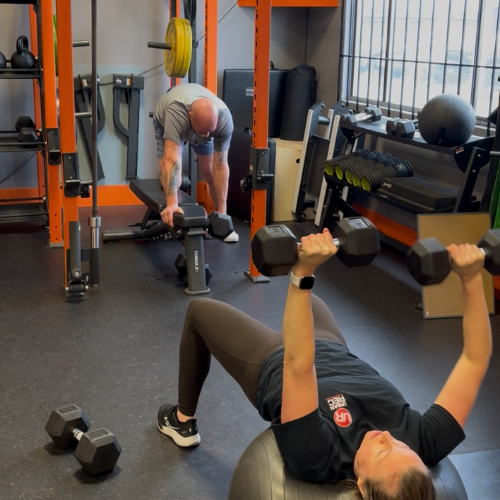
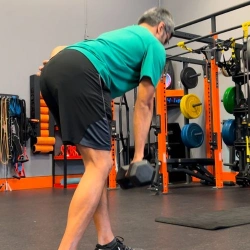
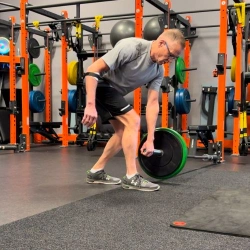
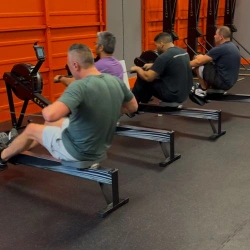
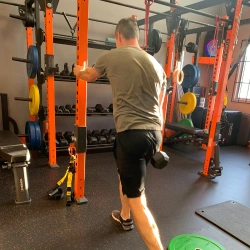
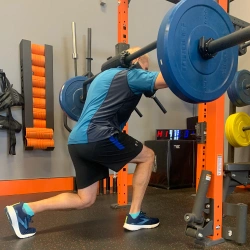
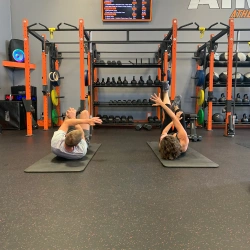
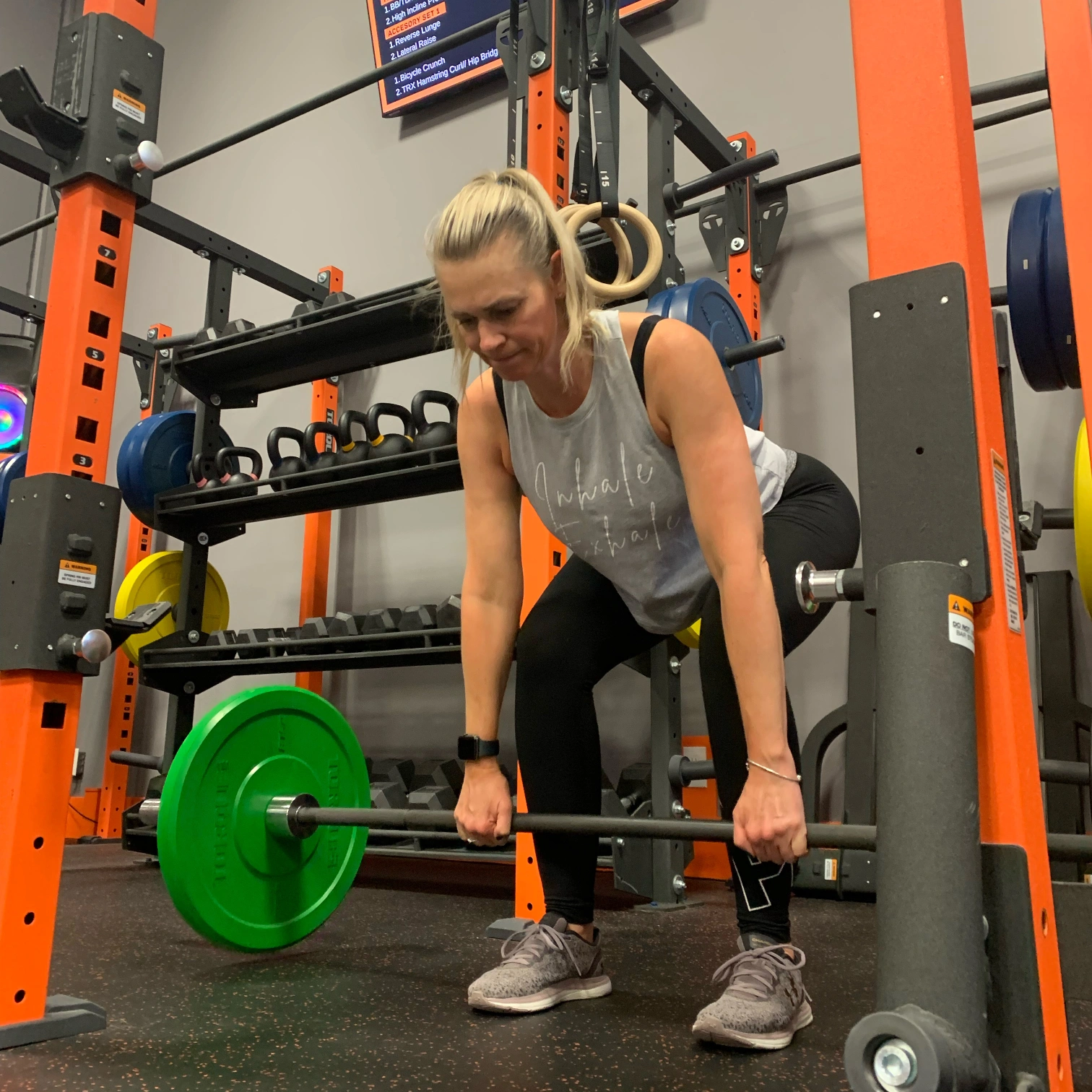
This concept is something we apply regularly at AIM Athletic across all of our programs. In our small group personal training sessions, you might notice that the structure of workouts evolves over time. Some blocks emphasize higher volume work to build muscle and work capacity, while other phases shift toward heavier loads or more explosive training. This variation is intentional and helps members continue progressing rather than hitting frustrating plateaus.
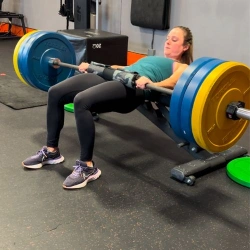
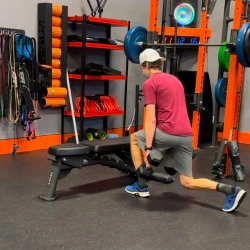
The same principle applies in personal training. When working one on one with members, we use periodization to organize training toward specific goals. Sometimes that might mean building a foundation of strength and movement quality first, then progressing toward heavier lifting or more advanced performance work once that base has been established.
Periodization is also extremely important in active rehabilitation. When someone is returning from an injury, we cannot jump straight back into maximal loading. Instead, training is gradually progressed through phases that rebuild mobility, strength, and control before eventually returning to higher intensity training. Structuring rehabilitation this way allows tissues to adapt safely to increasing stress while reducing the likelihood of reinjury.
For our hockey training athletes, periodization is absolutely critical. A hockey player’s year naturally has different phases including off season development, preseason preparation, and in season maintenance. Training needs to change throughout those phases so athletes build strength, power, and conditioning at the right times without accumulating excessive fatigue during the season.
Ultimately, periodization is one of the biggest differences between random workouts and a well designed training program. Anyone can go into the gym and exercise, but if you want to keep improving year after year, your training needs structure. That structure allows you to build on previous progress, manage fatigue, and continue moving toward your goals.
If you’re interested in learning more about this concept, you can check out the full article I contributed to in Women’s Health Magazine, which breaks down how periodization works and who it can benefit.
You've got the info, now it's time to take AIM!





.webp)



























.png)







.webp)