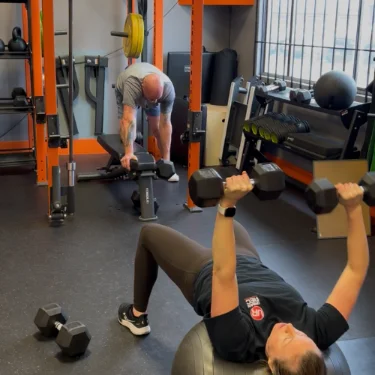

If you've been around the gym long enough, you've probably heard someone say that lifting weights "breaks your muscles down so they grow back stronger." Okay, it was me, I said that. It's one of those fitness sayings that's been repeated so many times that most of us just accept it as fact. While it's technically true, it's also kind of like saying a Ferrari is fast because the wheels spin. It leaves out a few important details. A recently released study from researchers in Germany took a closer look at what actually happens inside our muscles after resistance training, and it's pretty fascinating. Rather than simply repairing damaged muscle fibres, they found that lifting weights activates an incredibly sophisticated repair system that identifies damaged proteins, breaks them down, recycles what it can, and replaces what it can't. Think less duct tape and drywall patch, and more complete home renovation. Your muscles aren't just healing after a workout, they're constantly remodeling themselves so they're better prepared for the next challenge.
The part I found most interesting wasn't that this repair system exists. We've known for a long time that our bodies are remarkably good at adapting to stress. What the researchers found was that after several weeks of consistent resistance training, this repair machinery actually became better at doing its job. In other words, your muscles don't just get stronger; they become better at recovering from being challenged. That's probably why your first workout after taking a few months off leaves you walking like you've just gotten off a horse for the first time, while six weeks later you're lifting more weight, feeling stronger, and barely thinking twice about climbing the stairs. Your body hasn't just built muscle, it has become more efficient at repairing and rebuilding itself. I think this is one of the biggest reasons consistency always beats intensity. Everyone wants to know the secret workout, the magic exercise, or the supplement that's going to fast-track their results. The reality is that your body doesn't care how motivated you felt during one workout. It responds to repeated, appropriate stress over time.
If you've been reading these newsletters for a while, you've probably noticed I come back to the same themes over and over again, progressive overload, consistency, recovery, and giving your body a reason to adapt. It might sound repetitive, but that's because the science keeps reinforcing those same principles. This study is just another example. It's a lot like the analogy I used when talking about sun exposure. One day in the sun doesn't give you a tan, and one day lying on the beach doesn't leave you looking like you've spent six months in Mexico. Your body gradually adapts to repeated exposure over time. Resistance training works exactly the same way. Every well-designed workout gives your muscles another opportunity to repair, rebuild, and become a little more resilient than they were before. Your muscles don't need to be "confused." They need a consistent reason to adapt.
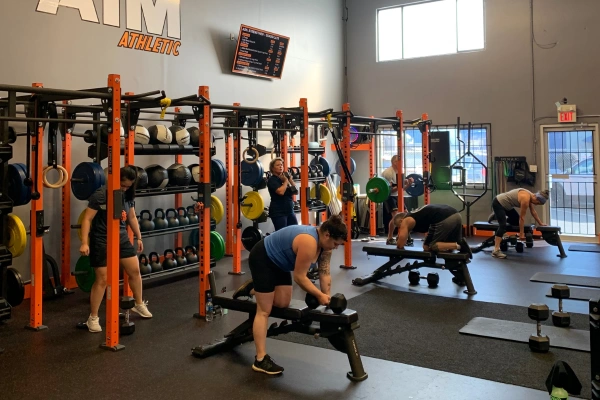
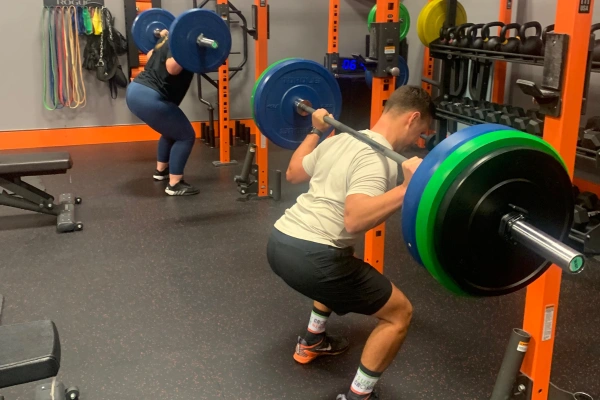
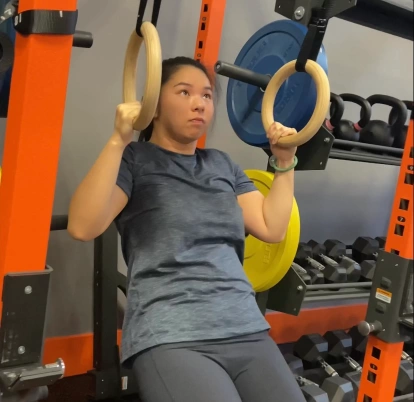
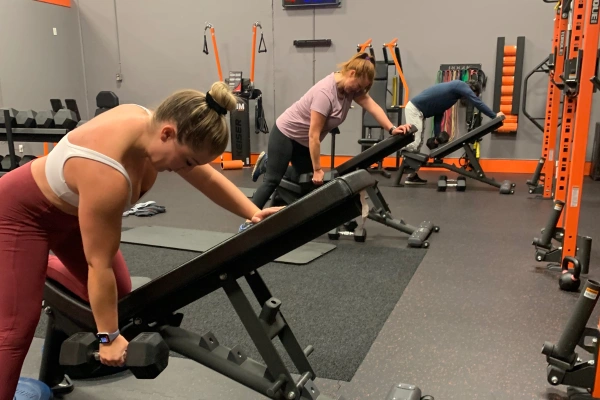
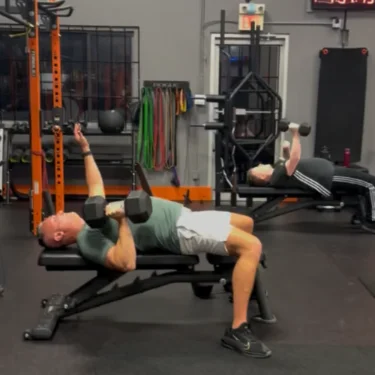
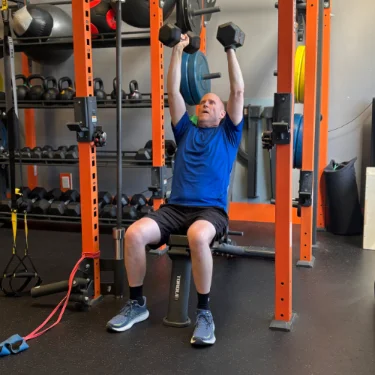
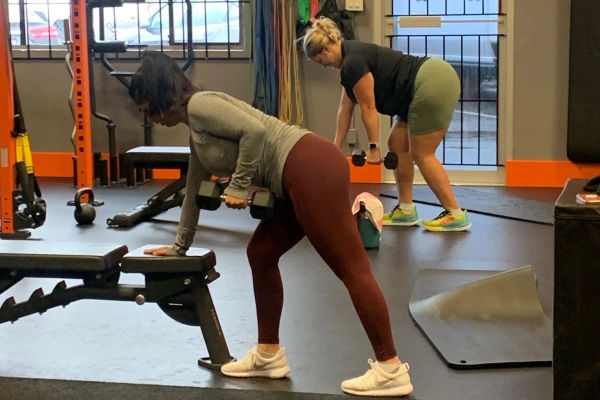
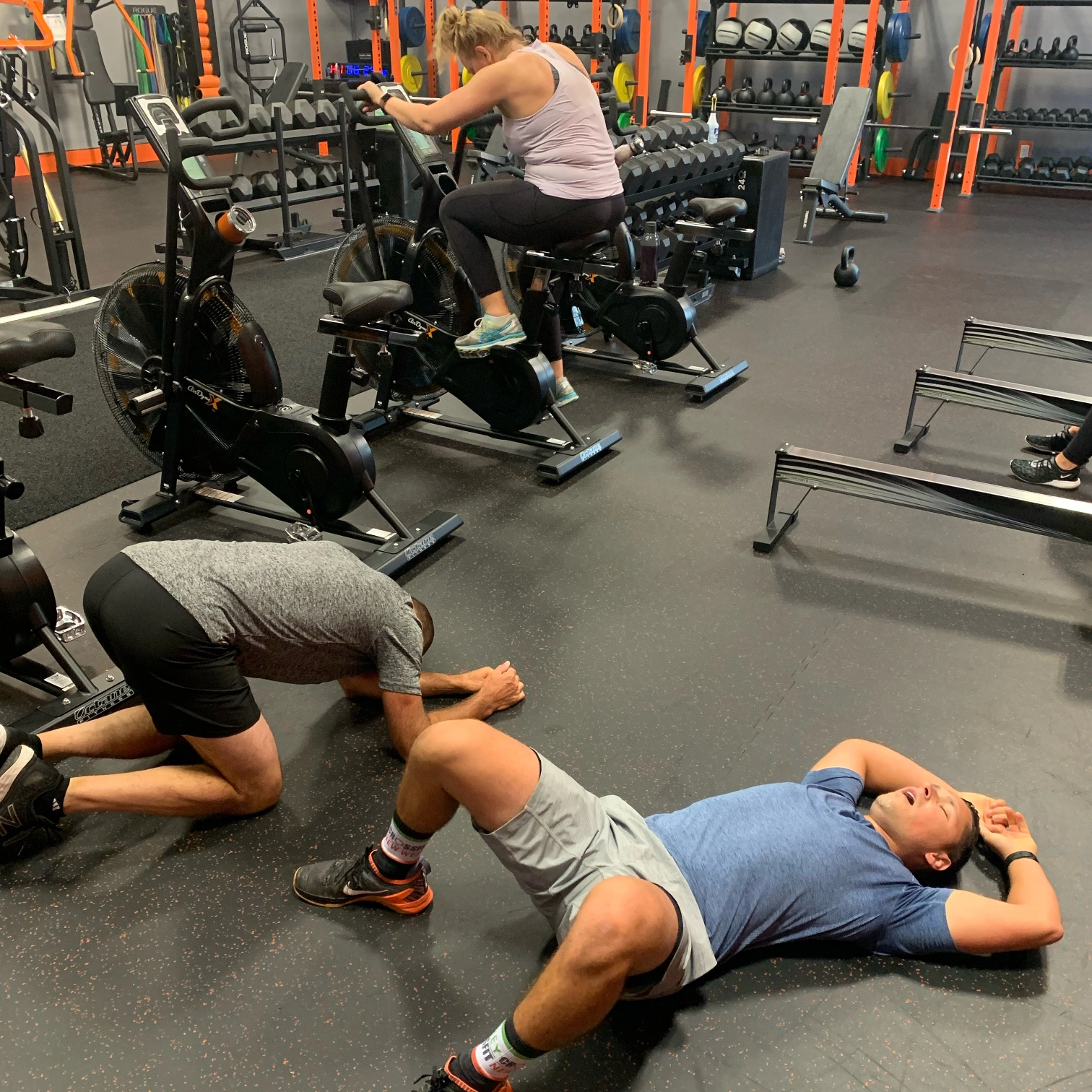
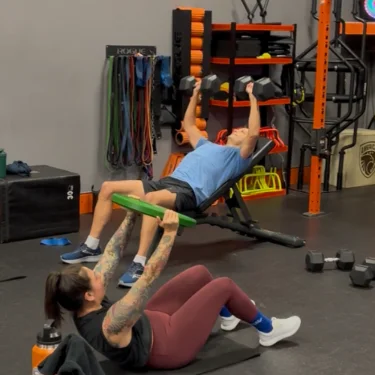
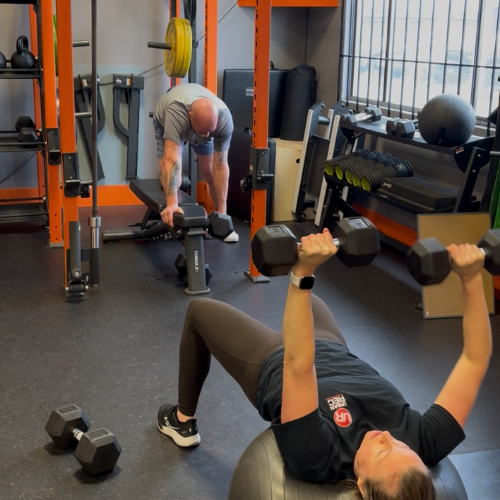
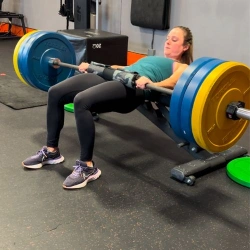
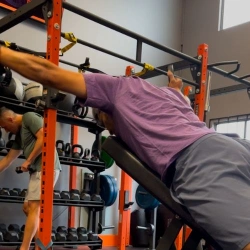
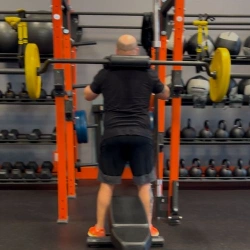
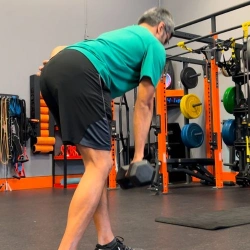
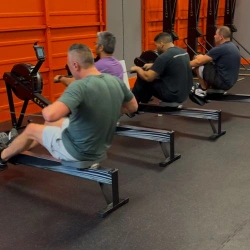
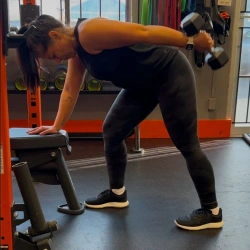
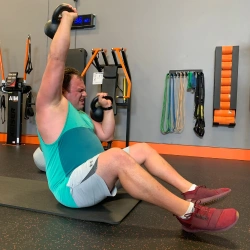
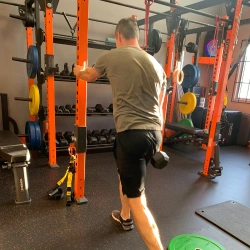
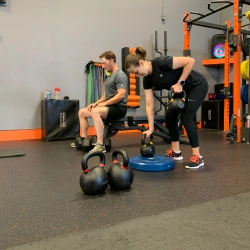
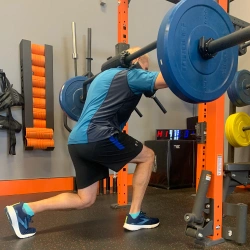
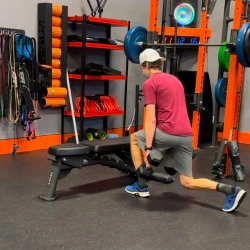
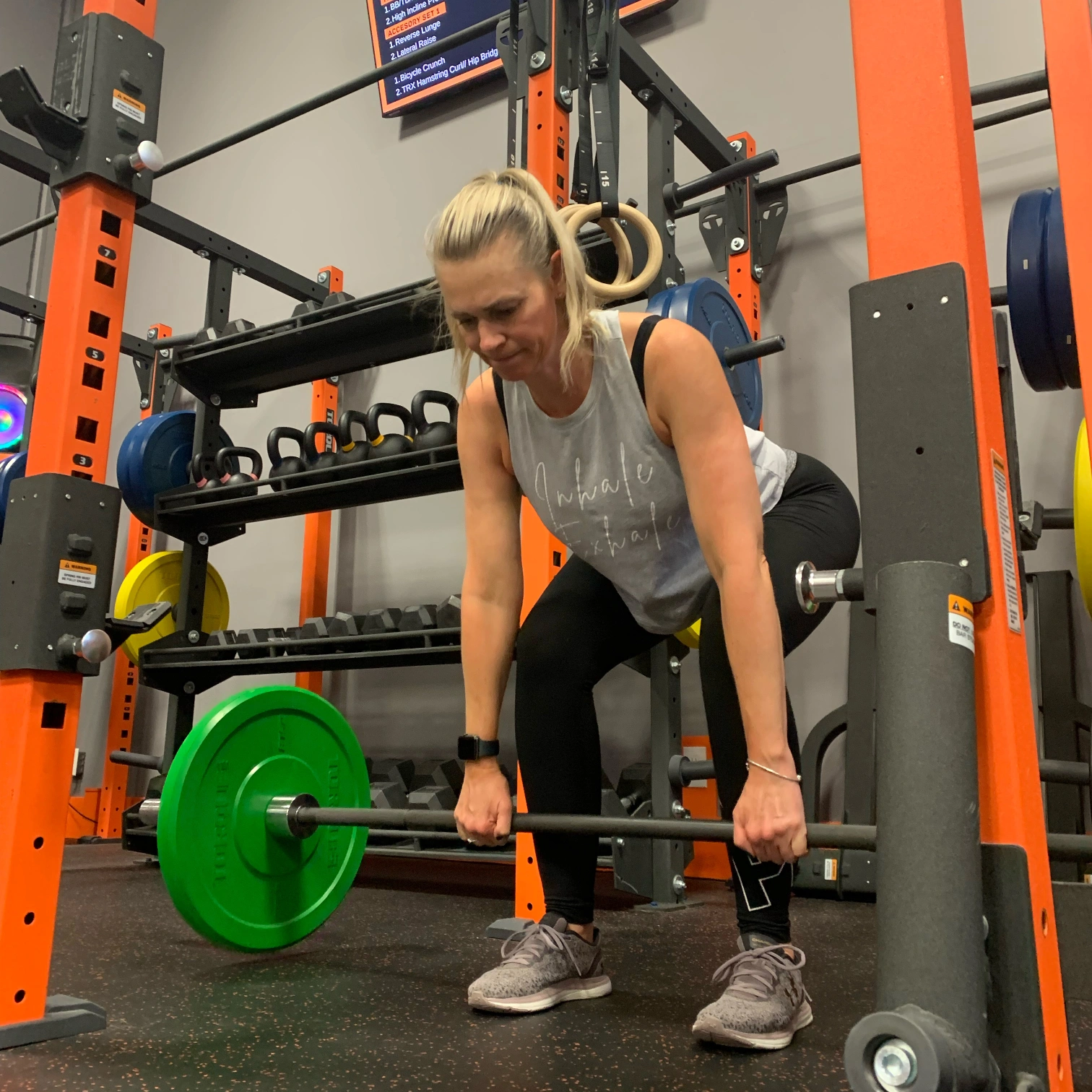
It's also why we don't try to destroy people every time they come through the doors at AIM Athletic. Contrary to what social media might have you believe, leaving the gym unable to sit down on the toilet isn't a badge of honour. If you're so sore that you can't train again for a week, you've probably done more than you needed to. Whether you're in our Small Group Personal Training, working one-on-one with a coach in Personal Training, or bringing your child to Youth Strength Training, the philosophy is exactly the same. Apply the right amount of stress, recover from it, then come back and build on it. Every session has a purpose, and every progression is intentional. Sometimes that means adding weight, sometimes it means improving technique, and sometimes it means backing off slightly so your body can actually make the adaptations you're training for.
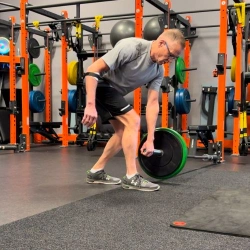
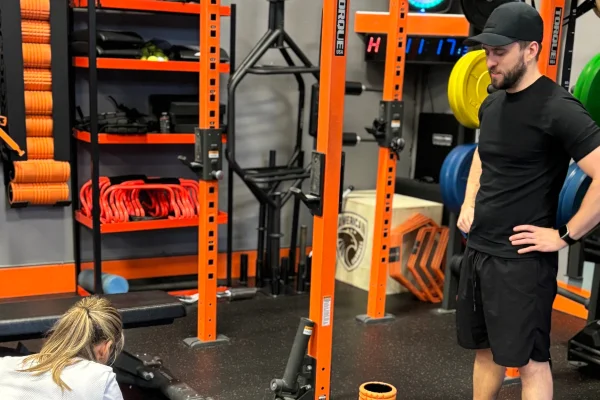
The same philosophy applies in our Active Rehab program. Stretching, massage, and other hands-on treatments absolutely have their place. They can reduce pain, improve mobility, and help you feel better, but feeling better isn't always the same as functioning better. That's why we strength train our rehab clients as much as possible. This research helps explain why. Resistance training stimulates the body's own repair machinery, improves the quality and capacity of injured tissues, and gradually prepares them to tolerate the demands of everyday life again. Our goal isn't simply to calm an injury down for a day or two, it's to rebuild a body that's stronger, more resilient, and less likely to break down again.
Studies like this are exciting because they give us another glimpse behind the curtain at what's happening after your workout is over. While you're eating dinner, sleeping, or convincing yourself you'll definitely stretch tomorrow, your muscles are hard at work identifying damage, cleaning up the old parts, and rebuilding stronger ones. The science behind resistance training continues to evolve, but the message hasn't really changed. Train consistently, recover well, and trust the process. Your body has an incredible repair crew working behind the scenes, you just have to give them a reason to show up.
You've got the info, now it's time to take AIM!


.webp)











.webp)




.png)




.webp)