

One thing I hear all the time from our members at AIM Athletic is some version of this. “I’ve been training consistently, I feel stronger, but I still get completely gassed doing certain activities.” It might be a hike, a sports game, or even just chasing your kid around for a few minutes. It feels like it doesn’t add up, but it actually makes perfect sense once you understand how your body produces energy.
Everything you do is powered by ATP, which is essentially your body’s energy currency. To keep things simple, your body has three main ways to produce it. The first is the phosphocreatine system, which is your quick burst energy. This is what fuels heavy lifts, short sprints, and anything explosive. It works fast but runs out quickly. The second is the glycolytic system, which breaks down carbohydrates to fuel moderate length efforts like higher rep sets or repeated intervals. Lastly, you have the aerobic system, which uses oxygen to produce energy more slowly but for much longer durations, like steady cardio or sustained activity.
Here’s where things get interesting. You can be very fit in one of these systems and not so fit in another. If most of your training is strength based, you are most likely getting really good at producing short bursts of energy. You will still build some general conditioning, but that does not automatically mean you are ready for longer or continuous efforts. So when you go do something that leans more on the aerobic system, your lungs might feel like they are letting you down a little bit.
A good example of this is hockey. Every summer I train athletes in our hockey training programs who are in great shape. We lift, we sprint, we push the bike hard. Then the first few skates of the season roll around and it is the same story every year. Guys are bent over, hands on knees, questioning their life choices after a few hard shifts. It is not because they are out of shape. It is because skating is its own unique demand that you cannot fully replicate in the gym. Your body just needs time to adapt to that specific energy system requirement.
On the physiology side, each system also has its trade offs. The fast systems produce ATP quickly but in small amounts. The aerobic system produces a lot more ATP per fuel source, especially from fats, but it takes longer to get going. That is why a max effort sprint feels completely different than a steady jog. One is fast and costly, the other is slower but efficient.
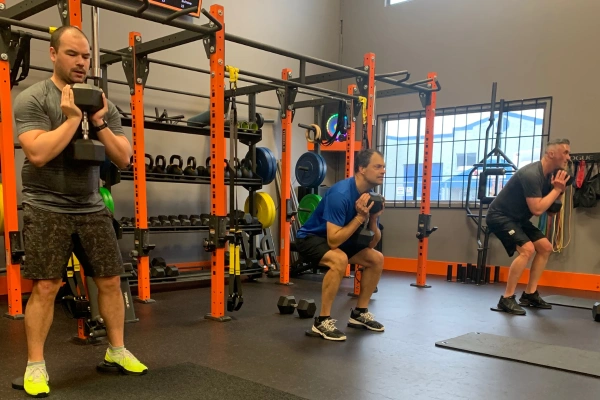
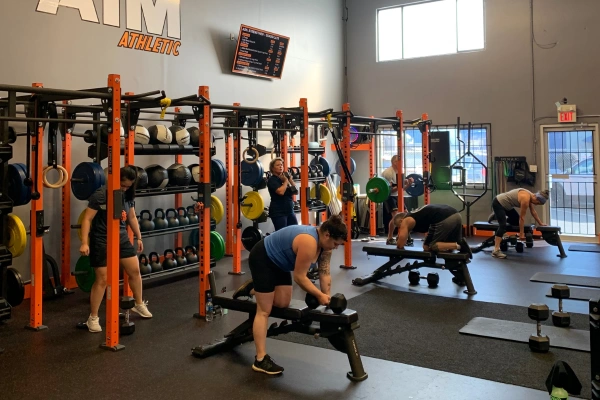
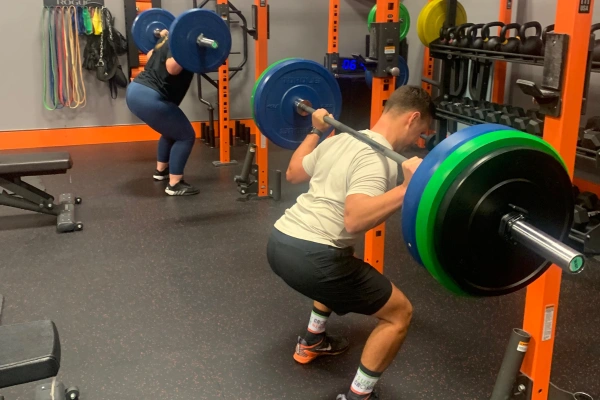
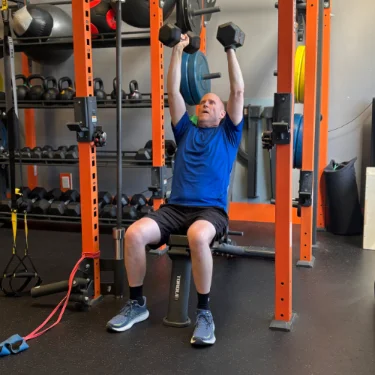
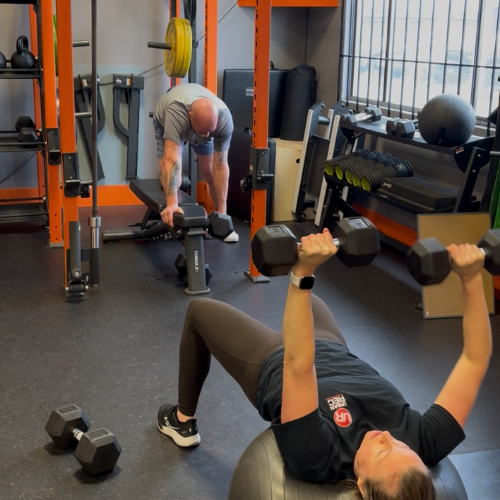
It is also important to understand that these systems are not working like light switches. They are all contributing at the same time, just in different proportions depending on what you are doing. Even in a strength workout, you are still getting some aerobic benefit, especially as sets add up and rest times shorten like in our small group and personal training sessions. This is why a lot of members improve their overall fitness without doing a ton of traditional cardio, which can be especially effective in reconditioning our active rehab clients as they might not be able to do longer cardio bouts due to their injuries.
When you put it all together, the takeaway is pretty simple. Training works, but it is specific. You can get really good at what you practice, but there is always some value in variety. Strength training will carry over more than people think, but adding in different types of conditioning can help round things out. The bottom line here is that cardio is not mandatory for everyone, but it can definitely be beneficial depending on your goals.
So if you feel out of breath doing something new, it does not mean your training is not working. It just means you found a system that has not been challenged yet. Give it a bit of exposure and, like everything else, it will improve.
You've got the info now it's time to take AIM,





.webp)




















.webp)






.png)









.webp)