
The rotator cuff is one of those areas that everyone has heard of but few people truly understand until it becomes a problem. These tiny shoulder-stabilizing muscles work quietly in the background, keeping the humeral head centered in the socket every time you reach overhead, shoot a puck across the ice, press a bar, or simply grab something from the back seat. Despite their size, they play an enormous role in how well we move, lift, and perform in sport and daily life. The four muscles that make up the cuff can be remembered using the SITS acronym, supraspinatus, infraspinatus, teres minor, and subscapularis. Each one contributes its own piece to the puzzle. The supraspinatus helps initiate lifting the arm, infraspinatus and teres minor control external rotation and resist the shoulder from collapsing forward, and subscapularis manages internal rotation and provides extra stability. Collectively, they operate like guy wires around a tent pole, keeping the shoulder secured and aligned throughout movement.
Because they work so hard behind the scenes, the rotator cuff is also one of the most commonly injured areas of the upper body. For contact sports athletes, like hockey players, this area is responsible for upwards of 30% of all injuries. Other injuries like strains, tendinopathies, and partial tears often stem from chronic overload, poor mechanics, or simply deconditioning from too much sitting and not enough training. When the cuff becomes weakened, the body quickly compensates by overusing the upper traps, front of the shoulder, or neck muscles, common pain points for our active rehab members. This compensation can set off a chain reaction of symptoms including shoulder impingement, biceps irritation, pinching sensations with overhead movements, reduced pressing power, and even tension headaches. Many people think rotator cuff issues happen only from heavy lifting or traumatic injuries, but most problems actually come from a slow erosion of stability over time. A big misconception is that the cuff is only about “internal and external rotation with bands,” when in reality it is a dynamic stabilizer system that functions during nearly every upper-body movement.
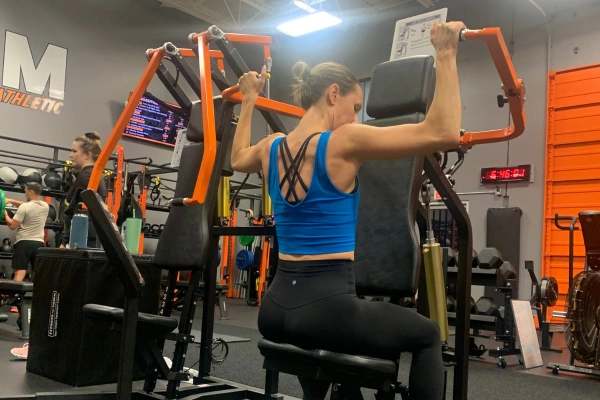
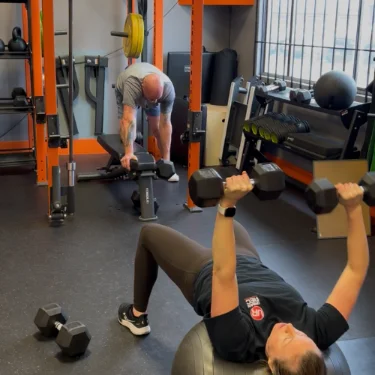
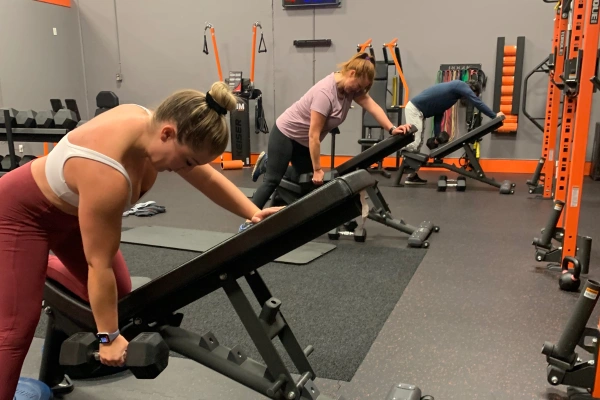
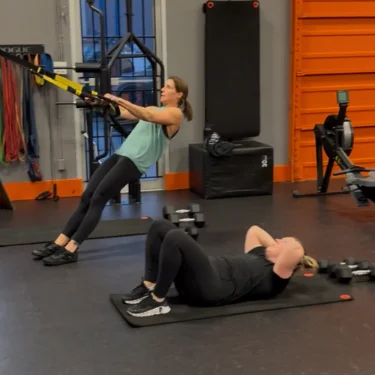
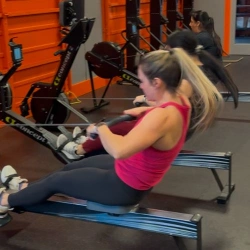
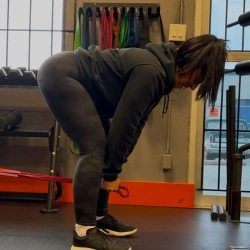
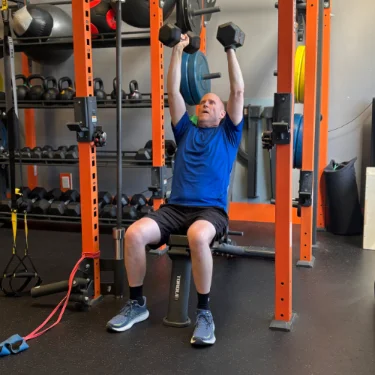
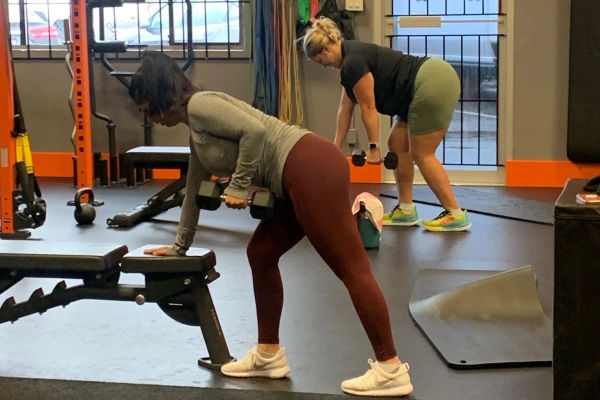
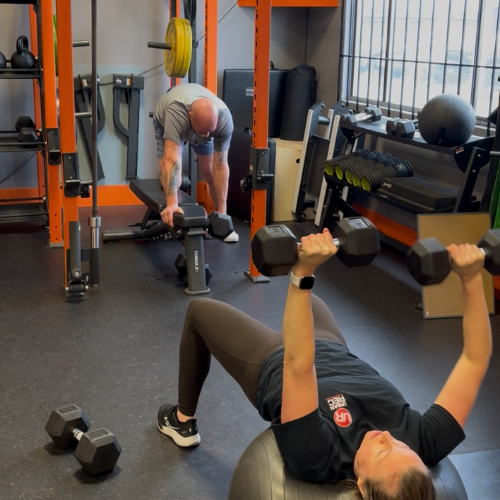
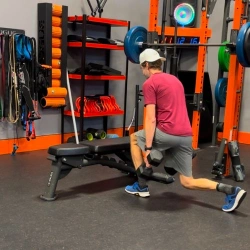
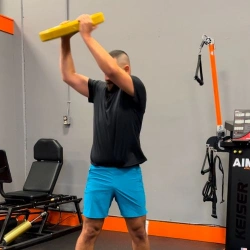
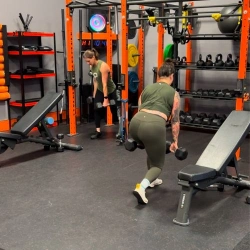
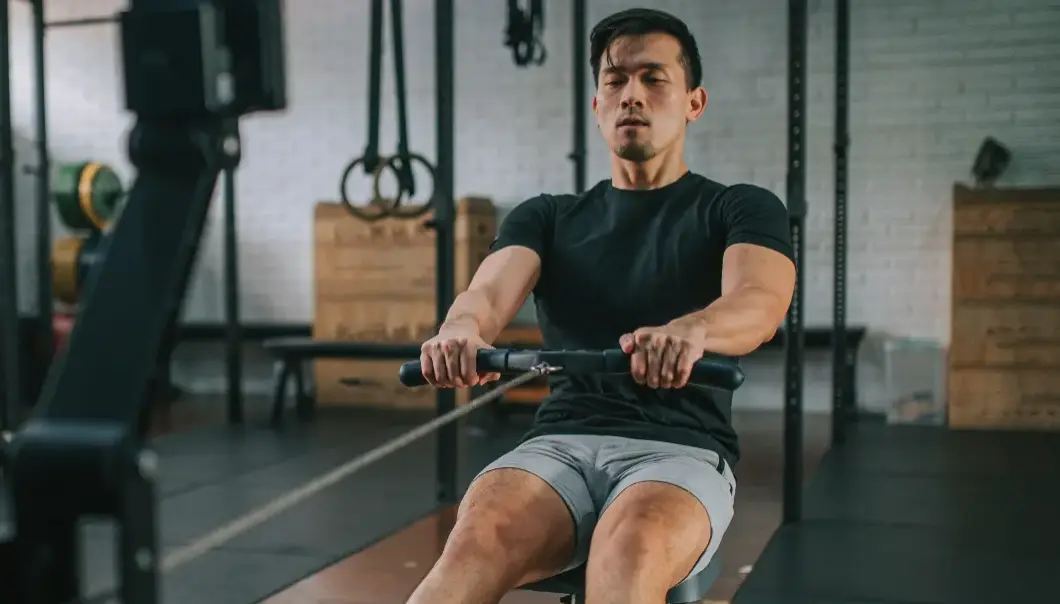
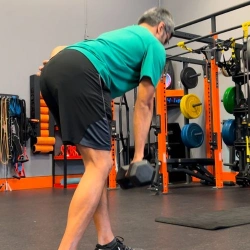
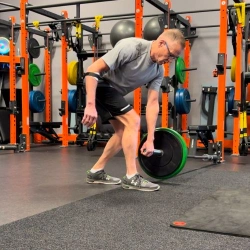
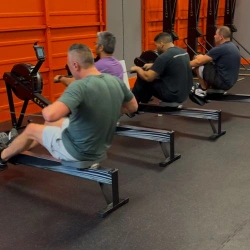
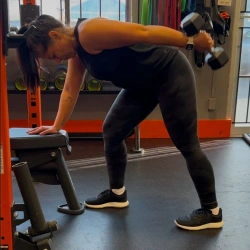
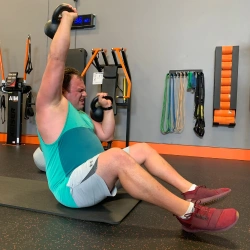
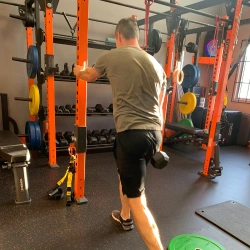
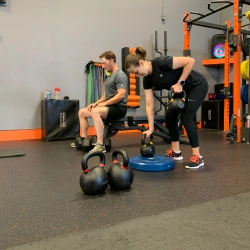
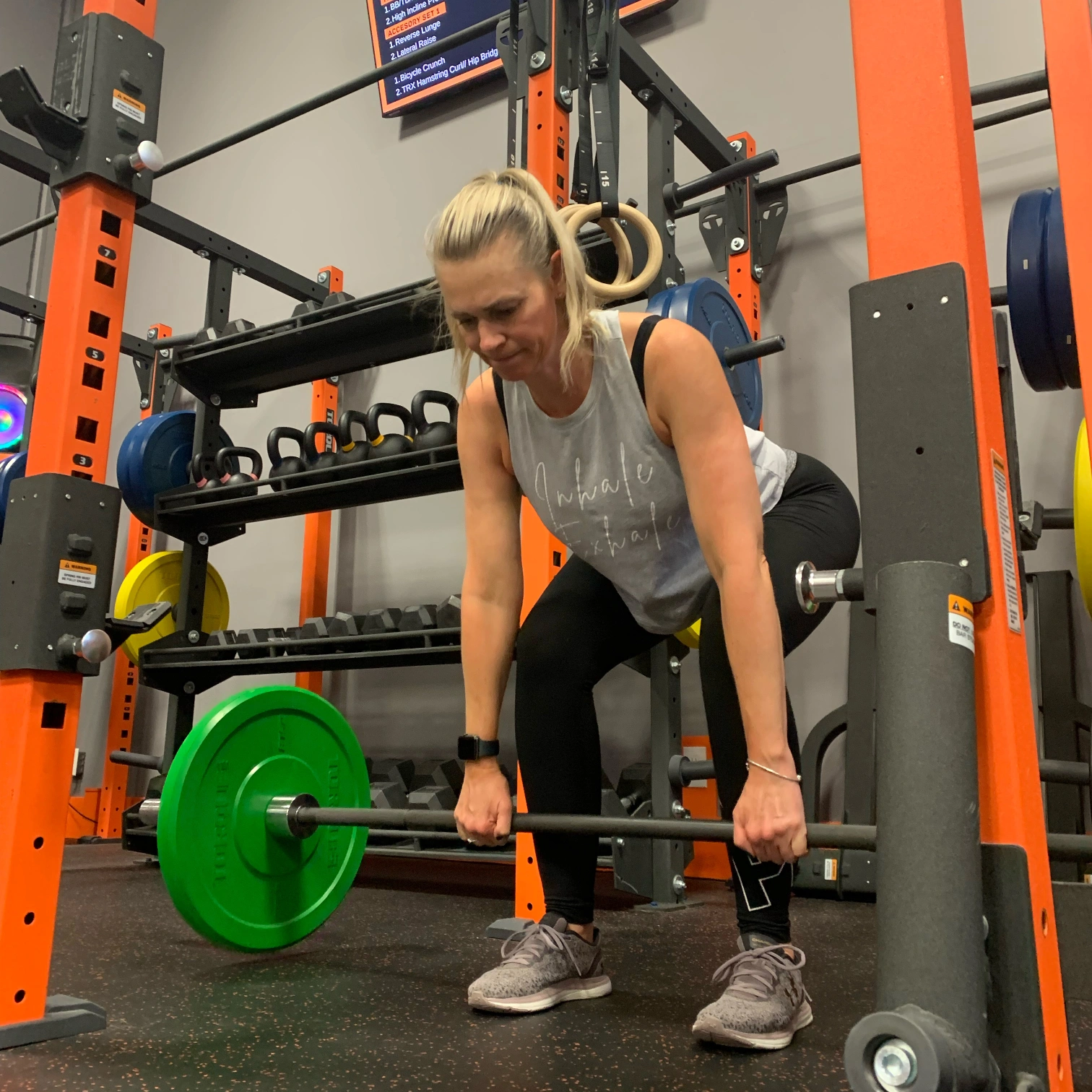
Training the rotator cuff properly means strengthening it in both isolation and in the larger context of shoulder mechanics. Isolation work includes movements like external rotations, face pulls, prone Y-raises, and internal rotation drills. These are great for building baseline strength and targeting areas that often go dormant with desk work. However, cuff training cannot stop there because the shoulder does not operate in isolation. This is where more global strength work becomes essential. Rows, pull downs, rear-delt variations, landmine presses, carries, and even properly coached push ups all contribute to cuff health by reinforcing the scapular muscles that give the rotator cuff a stable base to pull from. At AIM Athletic, we often describe this as the “carpet bomb” approach. Instead of only attacking the cuff with tiny movements, we strengthen the entire surrounding system so the cuff can do its job naturally through irradiation and global tension. When the back is strong and the scapulae move well, the rotator cuff becomes significantly more resilient. Hopefully now you can see why all the rows we do in our programming is so important.
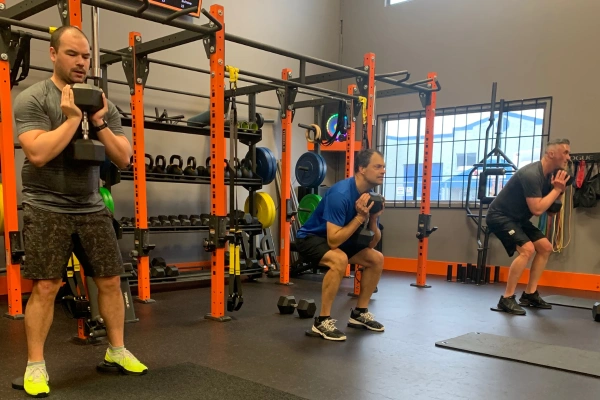
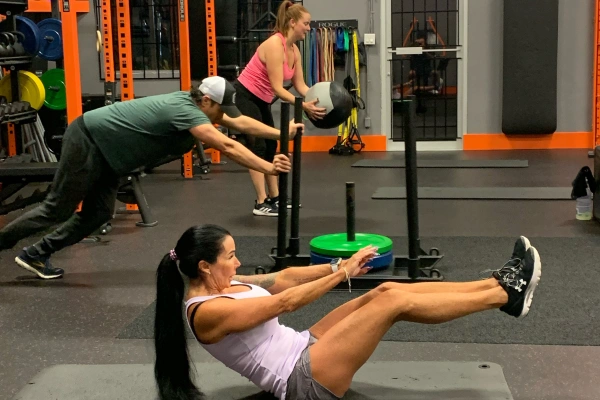
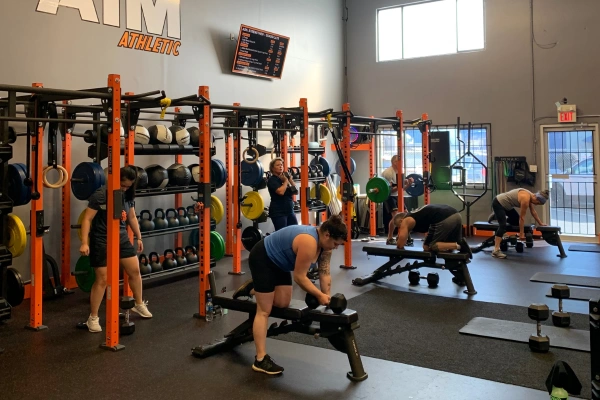
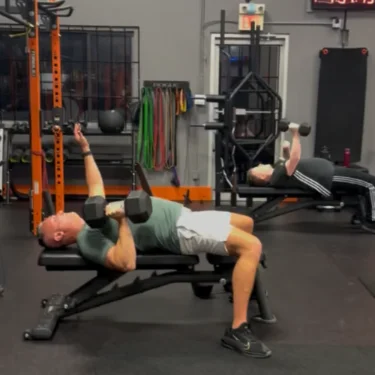
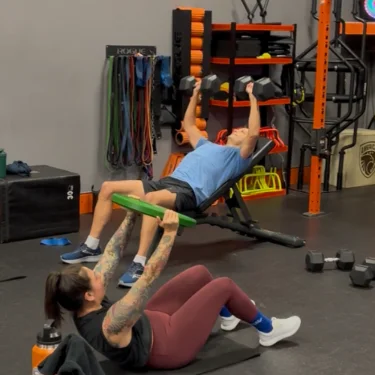
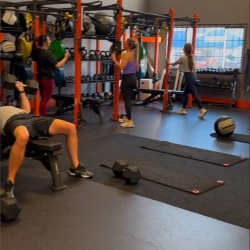
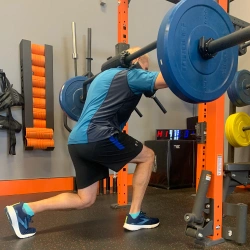
This approach is especially important in our small group training and personal training sessions at AIM Athletic, where members need to build not just strength but durability. Whether someone is brand new to lifting, returning from shoulder pain, or working through active rehabilitation for an ICBC-related injury, the principles remain the same. A healthy shoulder needs both targeted cuff exercises and big global movements that teach the body how to distribute force properly. For our hockey training athletes, this is even more critical. Shooting, battling along the boards, and absorbing contact all depend on having stable shoulders that can handle high-velocity rotation and repetitive impact. A strong rotator cuff reduces compensation patterns up the neck and down the spine, which helps keep athletes on the ice and training consistently through the season.
The more people learn about the rotator cuff, the more they realize it is not just a “rehab” structure. It is a performance structure. You do not need to wait for pain to train it. In fact, building cuff strength through a combination of precise isolation work and bigger upper-back strength training is one of the best preventative strategies you can adopt.
You've got the info, now it's time to take AIM!

.webp)



.webp)

.png)




.webp)