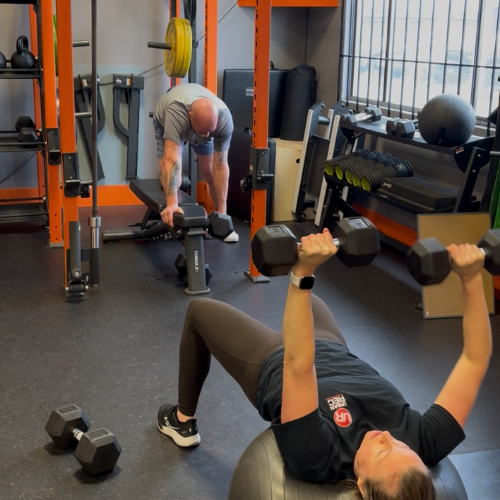

If you've ever felt like your arms grow just by looking at a dumbbell while your calves refuse to change no matter how hard you train them, you are not alone. Muscle growth is not evenly distributed across the body and there is a real physiological reason for that. Some muscles respond quickly to training while others take more time and consistency, and understanding why this is can make your training a lot more effective.
At the core of this conversation there are two main types of muscle fibers in the human body. Type I fibers are your slow twitch fibers. These fibers are built for endurance. They handle fatigue well, rely more on aerobic metabolism, and are great at producing force over long periods of time. Think of the muscles that are working all day to keep you upright like your spinal erectors and lats. They are efficient and reliable, but they do not have the same potential for size and explosive strength.
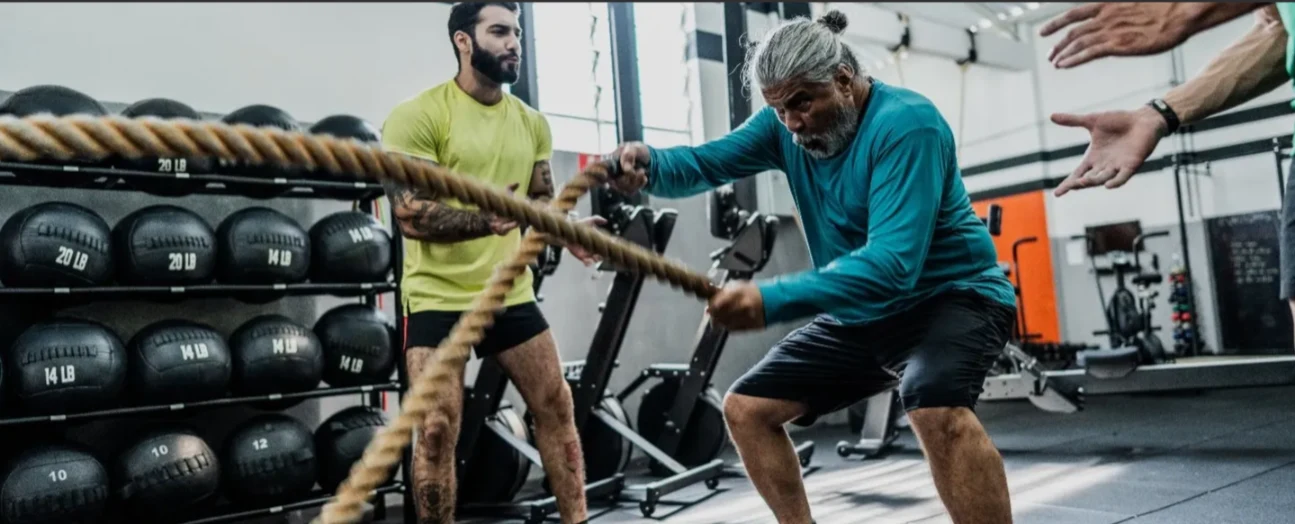
Type II fibers on the other hand are your fast twitch fibers. These are responsible for producing high levels of force quickly. They rely more on anaerobic energy systems, fatigue faster, and have a much greater capacity for growth. When people talk about building muscle size or power, they are usually talking about training these kind of muscles through heavier loads and higher intensity workouts.
Where things start to differ is in how these fibers are distributed. Genetics plays a big role here, and that includes differences from person to person and even between men and women. Some people naturally have a higher proportion of fast twitch fibers, while others are more slow twitch dominant and typically dictates what kinds of activities they're more keen on doing. Women, on average, tend to have slightly more slow twitch fibers, which often allows them to handle higher training volumes and more reps before fatiguing. Don't worry ladies, this does not mean you can't build muscle, it just means the path to getting there can look a little different.
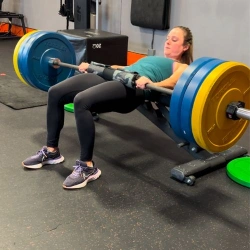
On top of that, different muscles in your body are built with different fiber makeups based on their function. Postural muscles like the erectors that travel along your spine, are active for long periods of time and are more slow twitch dominant. This makes postural muscles great at endurance but slower to grow. Locomotive muscles on the other hand like the quads and glutes are responsible for producing great amounts of force and movement, so they tend to have a higher percentage of fast twitch fibers and often respond faster to strength training. This is one of the biggest reasons why some muscles seem to grow quickly while others lag behind.
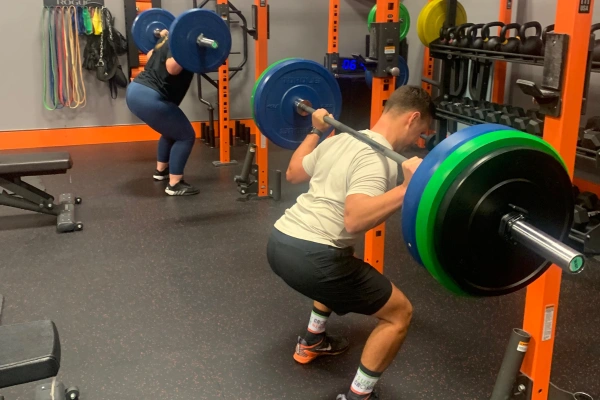
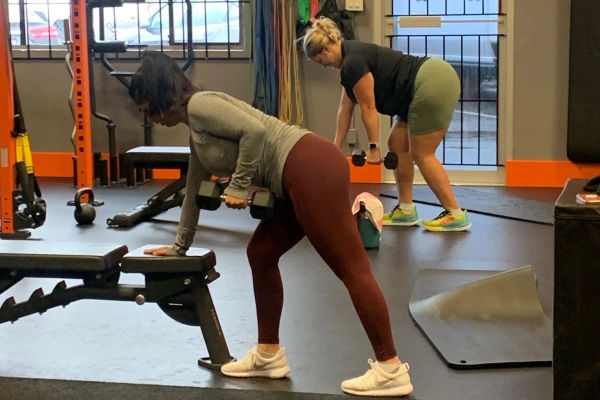
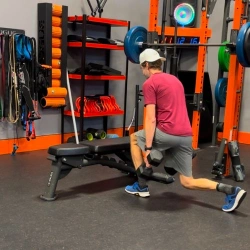
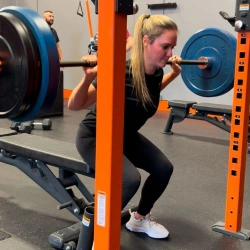
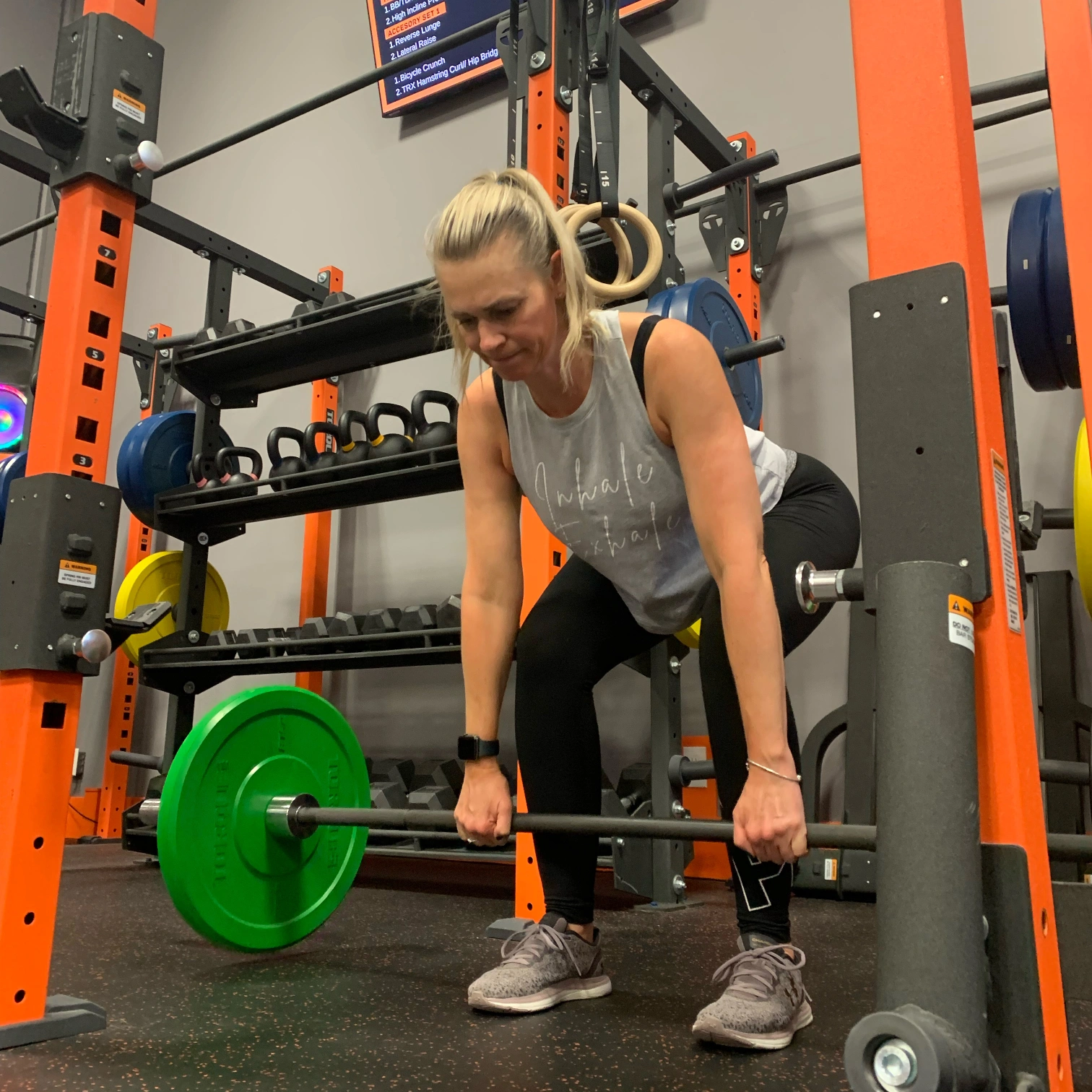
From a training perspective, this is where good programming matters. Fast twitch dominant muscles typically respond well to heavier loads and lower rep ranges, while slow twitch dominant muscles often benefit from more volume, higher reps, and longer time under tension. It is not about doing more for everything, it is about doing the right thing for the right muscle. In practice this might mean training your squats with lower rep ranges, while training your rotator cuff muscles with lighter dumbbells and more reps.
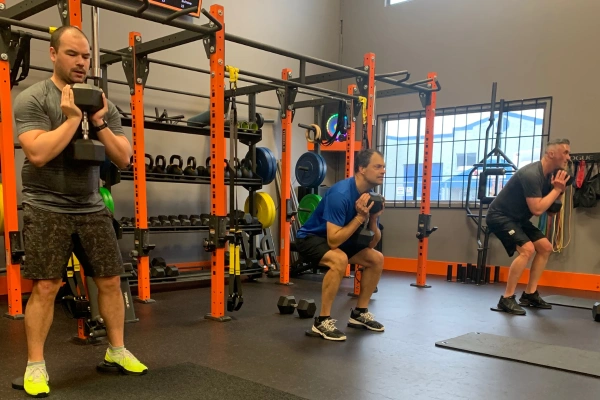
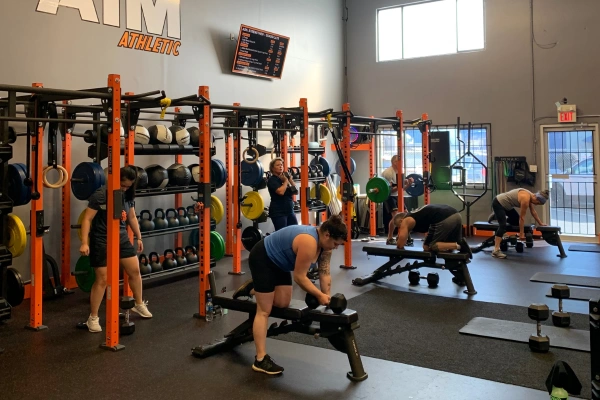
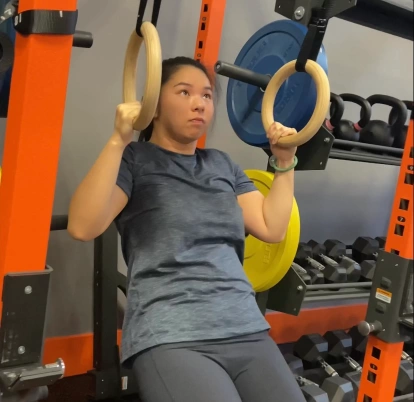
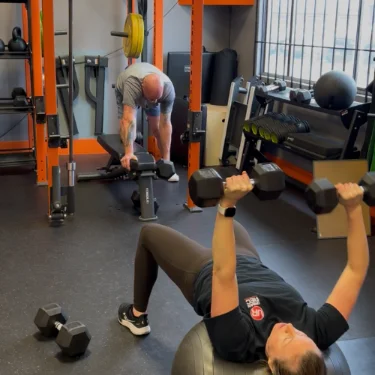
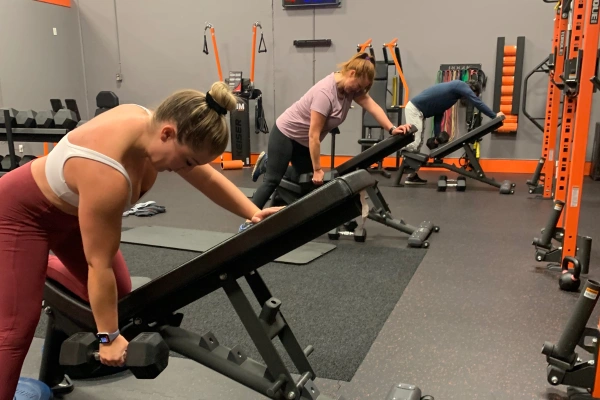
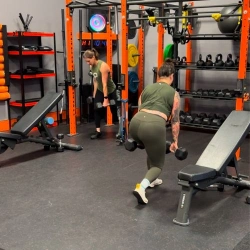
This is something we consider in our programming at AIM Athletic. In our small group personal training and personal training sessions, you will see a mix of intensity and volume based on the goal of the movement. In active rehab, we respect the endurance based nature of postural muscles and build their capacity gradually with gentle strengthening before progressing to more intense workouts. In our hockey training programs, we prioritize fast twitch development for speed and power while still building the aerobic base needed to recover between shifts.
At the end of the day, some muscles are built to produce force and grow quickly, while others are built to support you all day long. Once you understand that, it becomes a lot easier to train with purpose and a lot less frustrating when certain areas take a little longer to catch up.
You've got the info now it's time to take AIM,



.webp)












.webp)


.png)







.webp)