Tendons and ligaments don’t get nearly the same attention as muscles until something goes wrong. Then suddenly they are the limiting factor in everything from squatting to sprinting to just getting up off the couch or walking down the stairs. Structurally, these tissues are built a little differently than muscle. Tendons connect muscle to bone and are primarily made of tightly packed collagen fibers, mostly type I collagen, organized in a way that allows them to handle high forces effectively. Ligaments connect bone to bone and share a similar collagen makeup, but tend to be slightly less organized and a bit more elastic depending on their role in stabilizing joints. Where they differ from muscles, is that neither of them have a great blood supply, which is one of the main reasons they take longer to heal and adapt compared to muscle tissue.
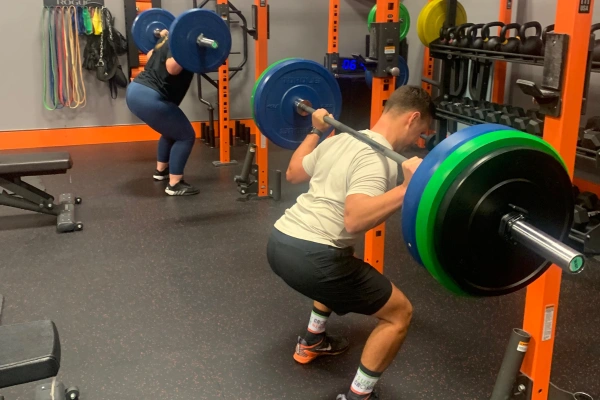
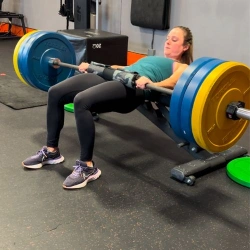
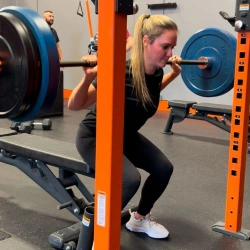
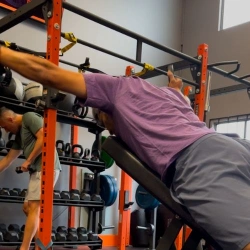
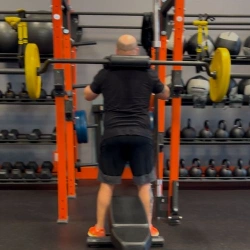
This is where isometric exercise starts to earn its keep. An isometric muscle contraction is simply producing force without changing the length of the muscle or moving the joint. Think holding a squat, a split squat, or a wall sit. From a physiology standpoint, isometrics create constant tension through the tendon without the added complexity of moving at the same time. That tension is a key signal for the body to begin remodeling tissue. Collagen synthesis increases, fibers start to line up better, and over time the tendon becomes better organized and more capable of handling load. On top of that, isometrics have been shown to reduce pain in certain tendon injuries, likely through neural mechanisms that decrease pain sensitivity, which is a nice bonus when someone is dealing with something stubborn like jumpers or runners knee.
The reason this works so well comes down to controlled loading. Tendons respond best to load that is consistent, not random spikes in stress. With isometrics, we can really dial in intensity. You are essentially telling the tendon, “this is the level of force you need to be able to tolerate,” and then gradually increasing that demand over time. Because there is no joint movement, there is less shearing stress, making it a very safe and effective starting point during injury rehab.
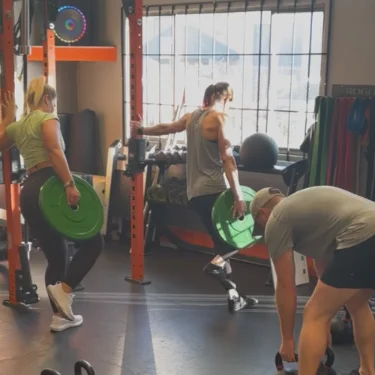
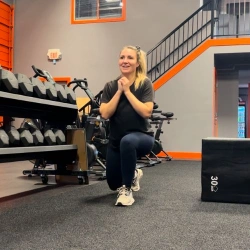
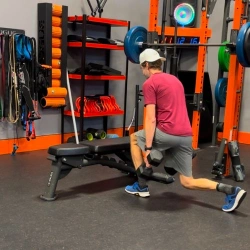
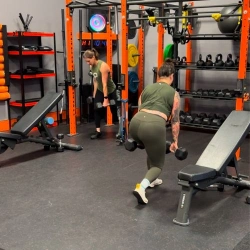
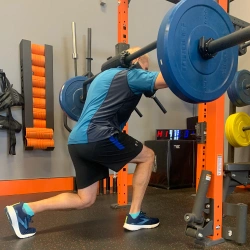
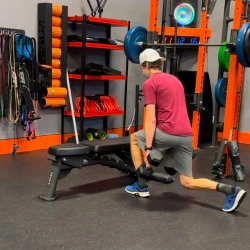
A simple example is the aforementioned jumper’s knee. One of the most practical ways to approach this is by dropping into a split squat or lunge position and finding the point where the front of the knee starts to feel pain. From there, you back off slightly so the pain is tolerable, and you hold that position. Early on this might be 20 to 30 seconds, and over time you build that up to 45 seconds or even a minute as tolerance improves. Eventually you can increase load, add external resistance, or progress the position. It is not glamorous training, but it is incredibly effective when done right.
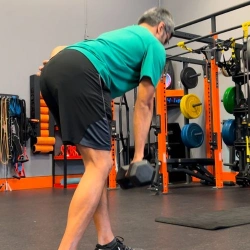
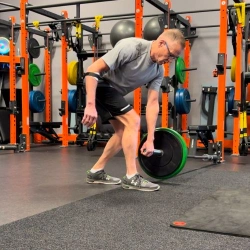
That said, isometrics are just one piece of the puzzle. Tendons do not just need to tolerate force, they need to tolerate force at speed. Sport does not happen slowly, especially in something like hockey where rapid deceleration, change of direction, and explosive skating are common. So once a foundation is built with isometric and slower controlled work, we need to layer in more dynamic loading. This means progressing to eccentrics, concentrics, and eventually higher velocity movements that more closely resemble the demands of the sport (plyometrics, sprinting). Skipping this step is one of the biggest reasons people feel “good” in the gym but break down or reinjure themselves when they try to return to full play.
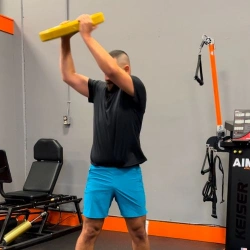
The interesting part is that this is not just about rehab. Isometric work can also be used proactively to build more resilient tendons and ligaments before injury ever occurs. By exposing these tissues to consistent, controlled tension, we are essentially increasing their capacity to handle stress later on. This is a big reason why isometrics are a staple in our hockey training programs at AIM Athletic, particularly within a triphasic model where we emphasize different phases of contraction. Spending time under tension without movement helps build a foundation that athletes can then express at higher speeds when it matters.
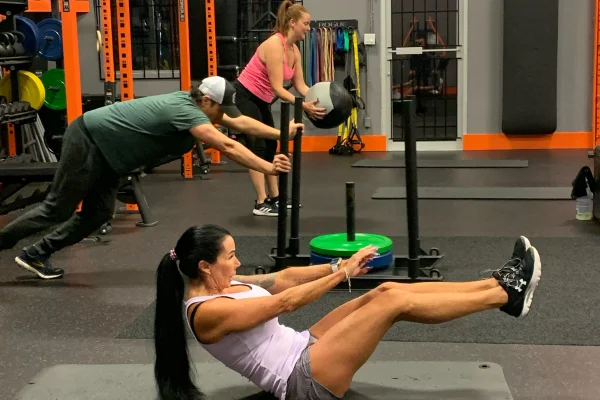
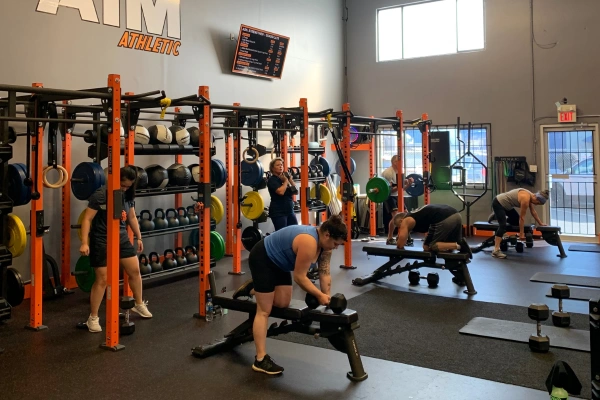
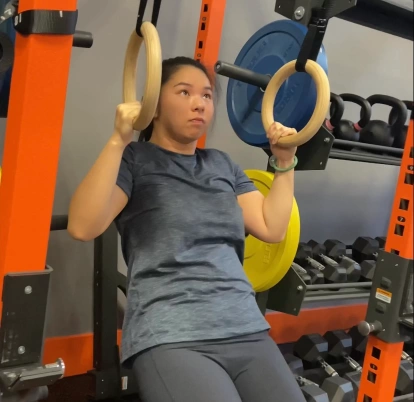
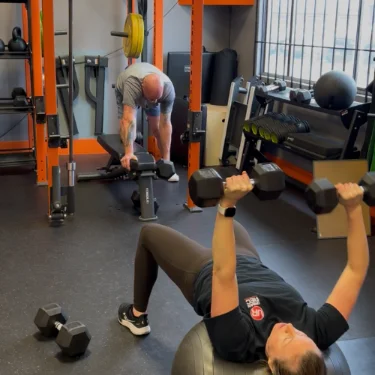
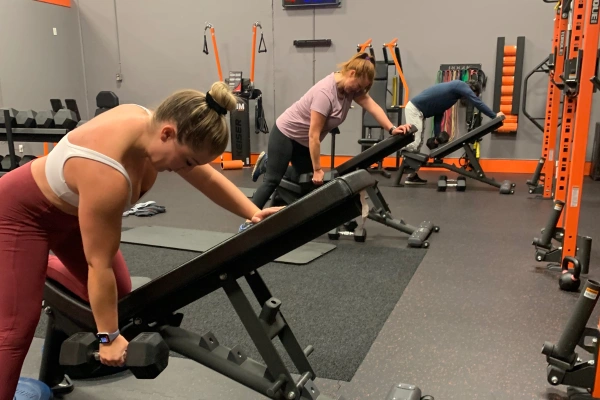
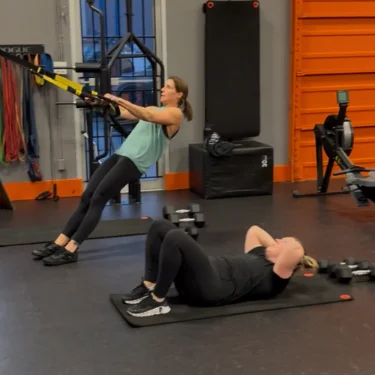
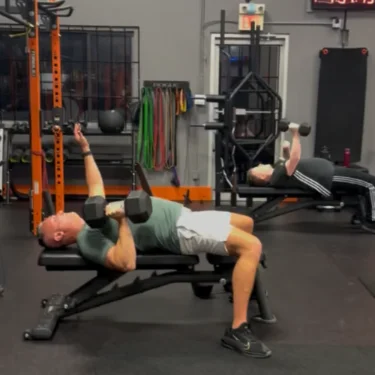
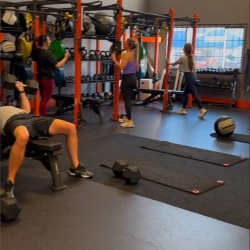
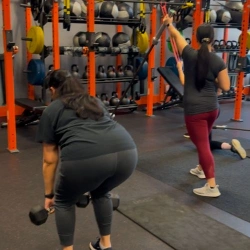
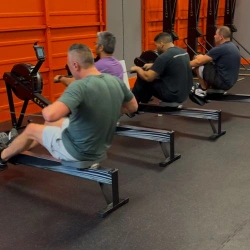
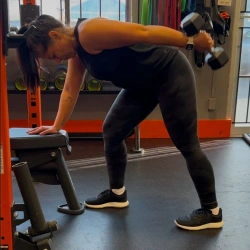
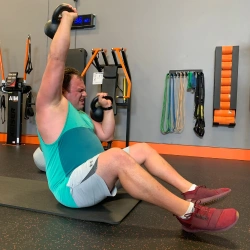
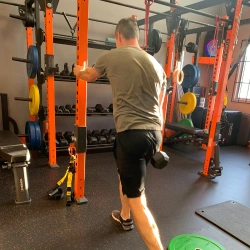
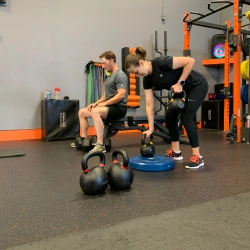
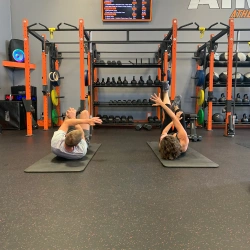
You will see this kind of training show up a lot in our workouts, whether it is in small group personal training, youth sessions, or active rehab. For our youth athletes, it is a safe and effective way to build strength and body awareness without throwing them straight into high impact work. In small group training, it helps members build joint tolerance and strength in positions they actually use day to day. And in active rehab, it often becomes one of the first tools we use to reintroduce load in a controlled, measurable way.
At the end of the day, isometrics are not flashy. No one is posting their 45 second split squat hold on social media with a hype song in the background. But they are one of the most reliable ways to rebuild and future proof the tissues that keep you moving. If you have ever dealt with a stubborn tendon issue, or you just want to keep training consistently without setbacks, they are worth taking seriously. And if you are already doing them here at AIM Athletic, now you know there is a little more going on than just standing still and questioning your life choices halfway through the hold.
You've got the info, now it's time to take AIM!

.webp)





.webp)

.png)




.webp)