
Electrolytes are one of those things that get talked about a lot in the fitness world, usually right beside flashy marketing and bright coloured drinks, but they are actually rooted in some very real and important physiology. At their core, electrolytes are minerals that carry an electrical charge when dissolved in fluid. The big ones you will hear about are sodium, potassium, calcium, and magnesium. These minerals are responsible for things like muscle contraction, nerve signaling, maintaining fluid balance, and even helping regulate blood pressure. So when people say electrolytes “keep you hydrated,” what they really mean is that they help your body use and distribute fluid properly.
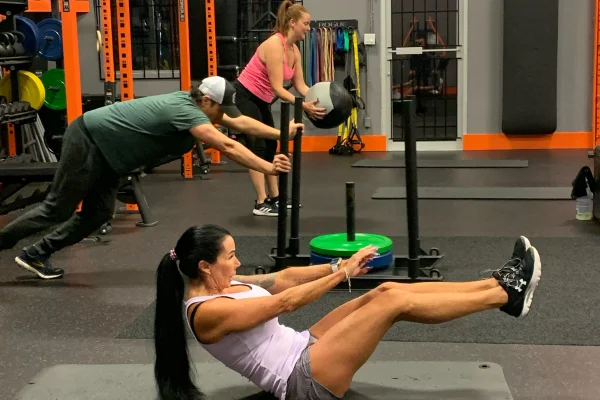
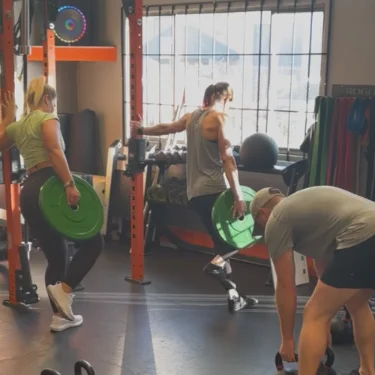
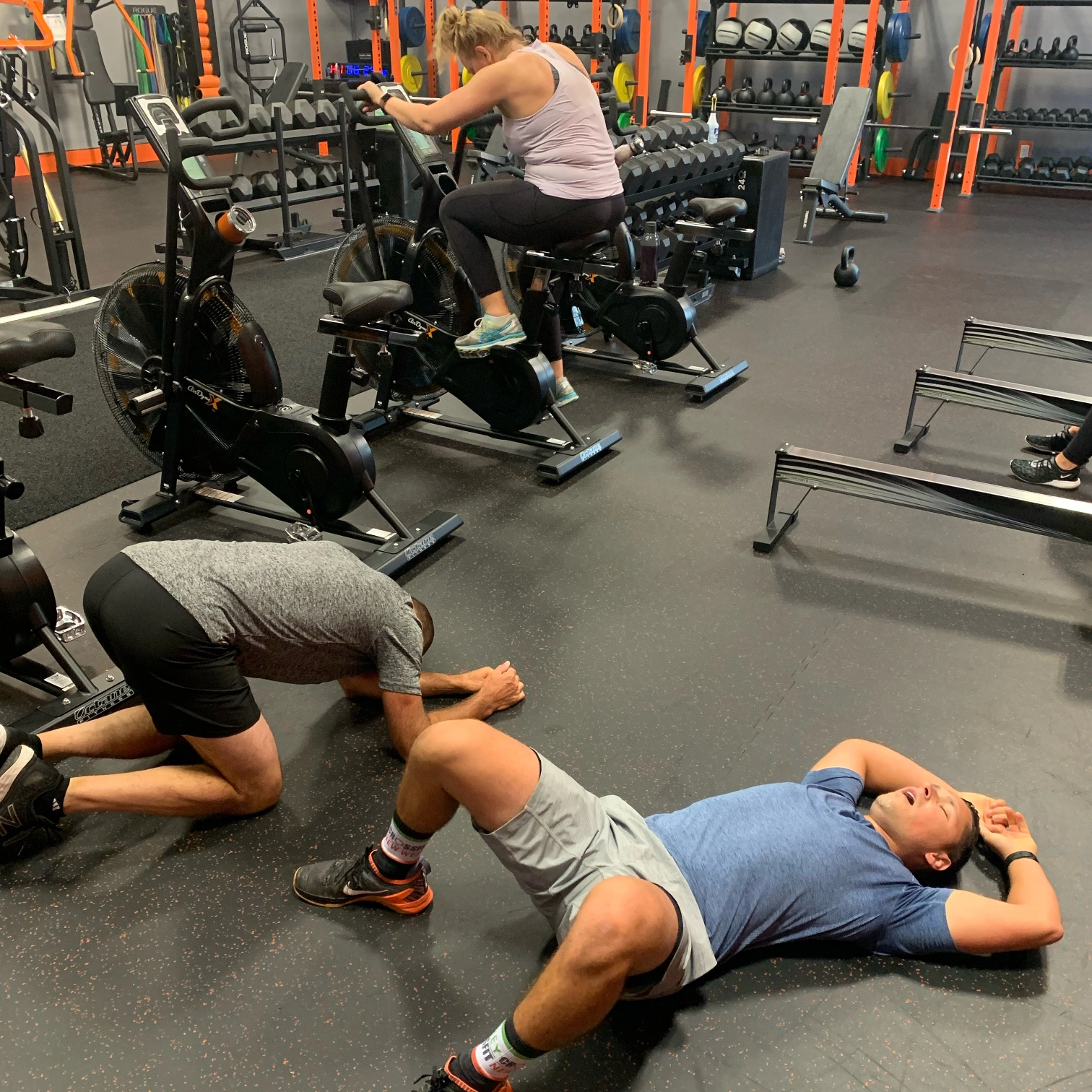
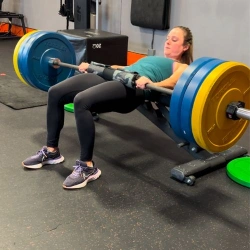
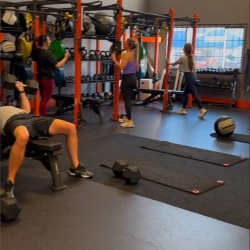
When you sweat during a workout, especially in a longer or higher intensity session, you are not just losing water, you are losing electrolytes along with it. This is where just drinking plain water can sometimes fall short. Water will help replace fluid losses, but without electrolytes, your body has a harder time retaining that fluid and getting it into the cells where it is actually needed. This is why in longer training sessions, hockey practices, or even some of our tougher small group workouts at AIM Athletic, you might feel like you are drinking a ton of water but still feel fatigued or off. It is not always about more water, it is about the right balance of water and electrolytes.
One of the most noticeable consequences of poor electrolyte balance is muscle cramping. From a physiological standpoint, this comes down to how muscles contract. Muscle contractions rely on electrical signals that are driven by sodium and potassium moving in and out of cells, along with calcium playing a key role in the actual contraction process. When these electrolytes are out of balance, those signals can become disrupted, leading to involuntary contractions or cramps. In simple terms, your muscles are trying to fire properly, but the wiring is a bit off. That is why cramping often shows up late in games, long workouts, or during periods of heavy sweating when electrolyte losses have not been replaced.
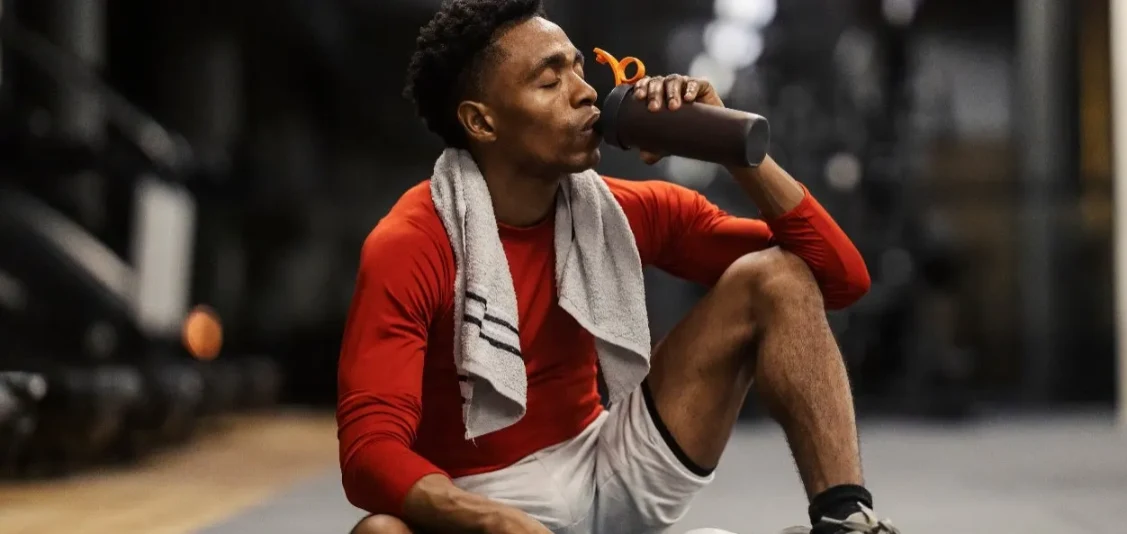
In terms of where to get electrolytes, there are plenty of options and it really comes down to individual needs and preferences. Whole food sources like fruits and vegetables can go a long way. Bananas and potatoes are great for potassium, dairy products provide calcium, and a bit of salt in your meals helps cover sodium. On the supplement side, drinks like Gatorade, BioSteel, and other electrolyte mixes are designed to replenish what you lose in sweat. A bit of a fun fact here is that Gatorade was actually created by researchers working with the Florida Gators football team to help their athletes stay hydrated in the extreme heat and humidity. Clearly they were onto something.
Personally, when I was playing hockey, I always leaned toward coconut water as a simple and effective option. It is naturally high in potassium and tends to sit pretty well on the stomach, especially during longer skates or games. That said, something like Gatorade can be useful, particularly in high intensity or long duration settings where you are burning through both fluids and carbohydrates. The flip side is that many of these drinks contain added sugars, which can be helpful for performance but may not align with everyone’s goals. If you are someone focused on fat loss, consistently drinking high calorie sports drinks during lower intensity workouts might be doing more harm than good.
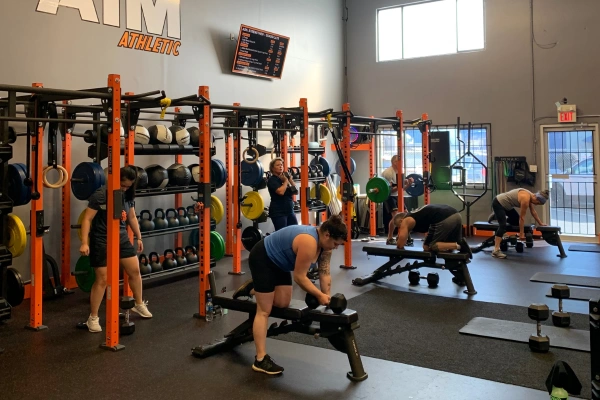
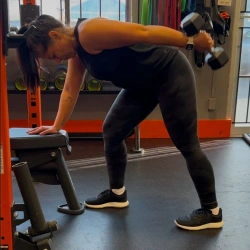
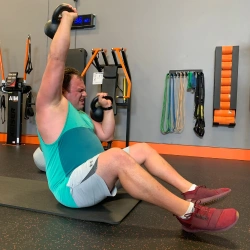
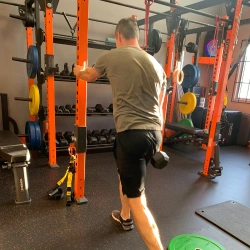
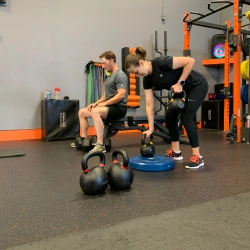
At the end of the day, electrolyte needs are highly individual. Someone training for hockey five days a week or going through intense conditioning blocks is going to have very different needs compared to someone coming in for three strength sessions per week or working through an active rehab program. This is something we keep in mind with our programming at AIM Athletic. Whether you are in small group personal training, working one on one, or going through active rehab, the goal is to match your nutrition and hydration strategies to the demands of your training. You do not need to overcomplicate it, but you do want to be intentional.
If there is one takeaway, it is that hydration is not just about drinking more water. It is about making sure your body has the right tools to use that water effectively. Electrolytes are a big part of that equation, and when they are dialed in, you will notice the difference in your performance, recovery, and how you feel during your workouts. And if nothing else, it might just save you from that mid-set calf cramp that makes you question all your life choices.
You've got the info, now it's time to take AIM!

.webp)




.webp)


.png)




.webp)