
One of the most common misconceptions I often encounter at AIM Athletic is the belief that pain always equals damage. While pain is certainly something we need to pay attention to, the reality is that there is a very important difference between being hurt and being harmed in the gym.
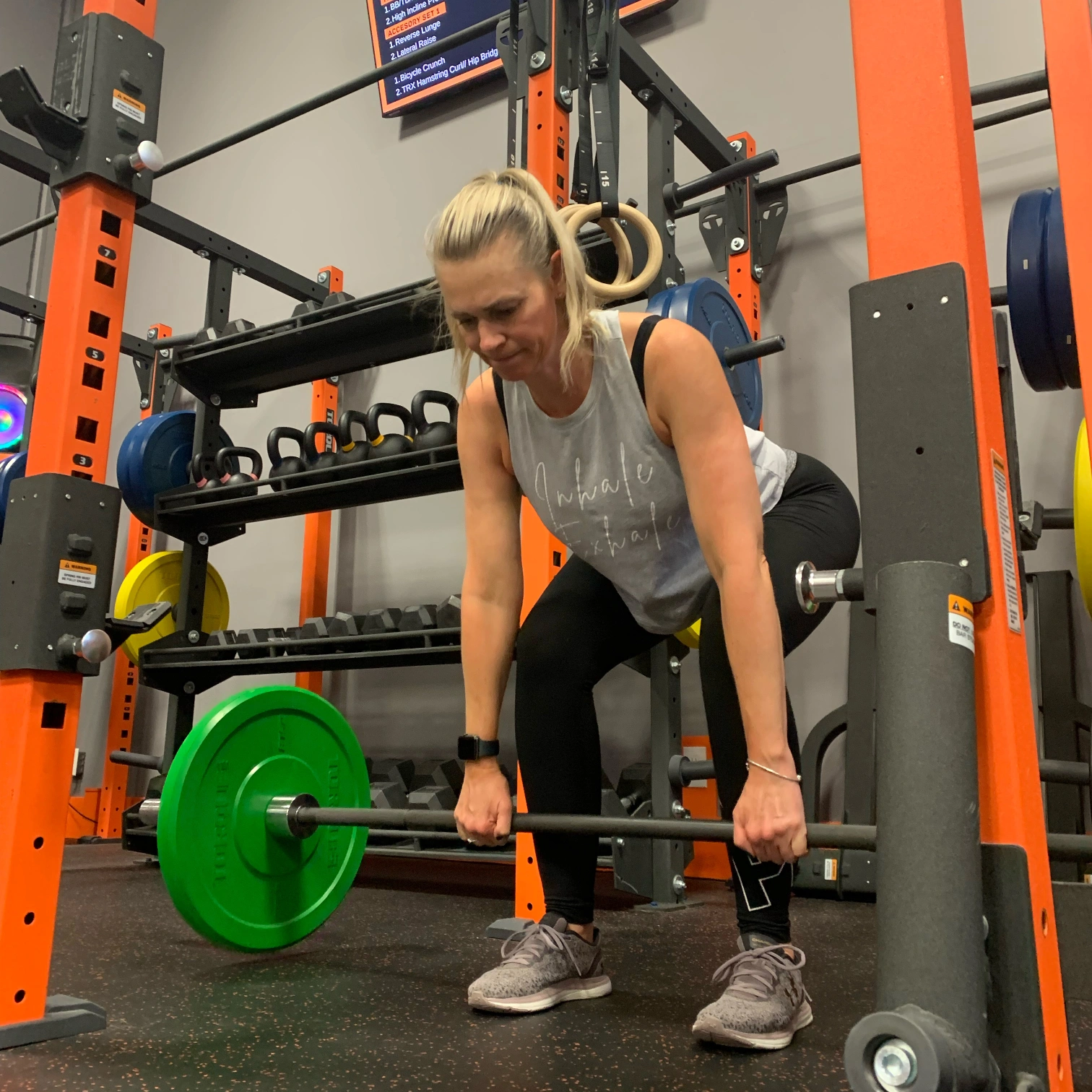
Let's start with harm. Harm refers to actual tissue damage or injury. Examples might include tearing a muscle, spraining a ligament, or fracturing a bone. In these situations, pain is serving its intended purpose and it is warning us that something has been injured and needs protection while it heals. Typically you're going to feel this immediately after it happens, like midway through a heavy deadlift.
Hurt, on the other hand, is much more complicated. Pain is ultimately produced by the brain, and many factors beyond tissue damage influence how much pain we experience. Stress, poor sleep, fatigue, fear of movement, previous injuries, and even mood can all increase pain levels. In fact, research has shown that tissues often heal long before pain completely resolves. This is one reason why many people continue to experience discomfort months after an injury despite imaging showing little or no remaining structural damage.
A great example is low back pain. Numerous studies have demonstrated that many individuals with no back pain whatsoever have disc bulges, degeneration, and other changes visible on MRI scans. Conversely, some people experience significant pain despite relatively unremarkable imaging findings. If pain were simply a measure of tissue damage, this wouldn't happen. Unfortunately, the human body did not come with a convenient "check engine" light that accurately tells us exactly what is wrong. Instead, pain is better thought of as an alarm system. Like any alarm system, sometimes it functions appropriately, and sometimes it becomes a little too sensitive.
Imagine your home alarm system going off every time someone walked by on the sidewalk. The alarm is real, but that doesn't necessarily mean someone is breaking into your house. Following an injury, our nervous system can become more sensitive in much the same way. Movements that were previously perceived as safe may suddenly feel threatening, even after the injured tissues have healed.
This is one of the primary reasons why complete rest is often not the best solution for aches and pains. While short periods of rest can be helpful following an acute injury, avoiding movement for extended periods frequently leads to greater stiffness, weakness, reduced confidence, and in many cases, even more pain. One of my favorite phrases in the rehab world is "motion is lotion," but there is a lot of truth behind the saying. As much as Netflix would like us to believe otherwise, extended bed rest rarely fixes musculoskeletal problems.
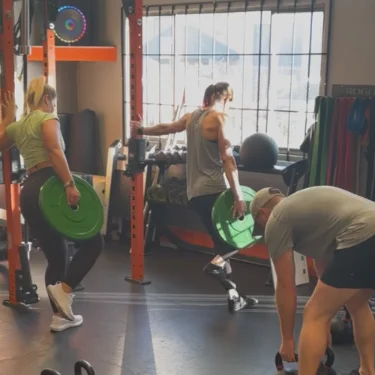
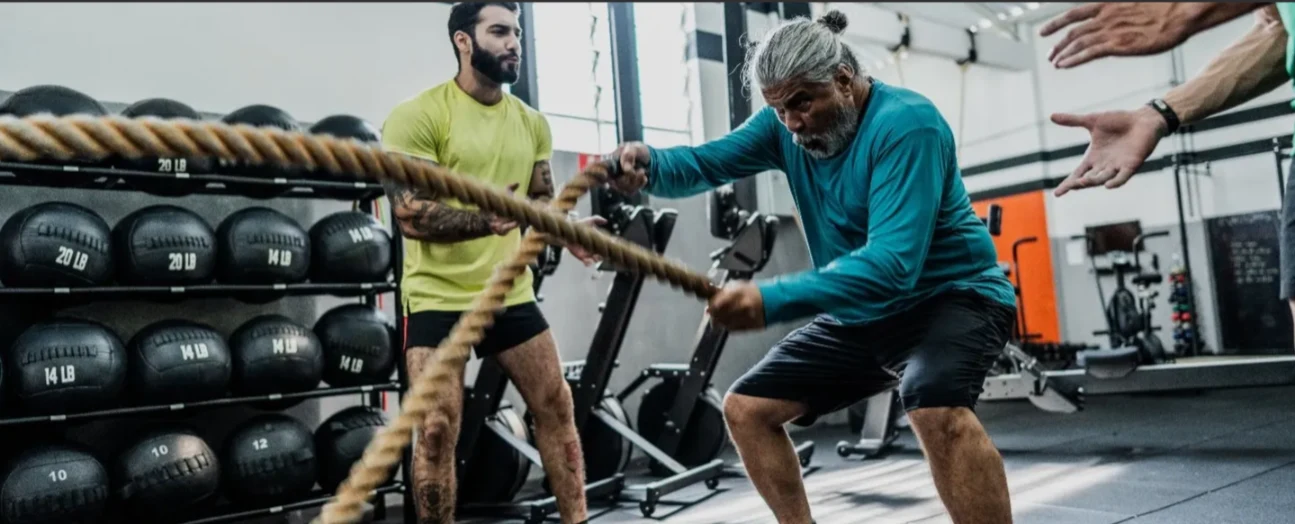
This concept shows up regularly across all of our programs at AIM. With our hockey training athletes, we often see players become hesitant to fully load a previously injured groin, shoulder, or knee long after the tissue itself has healed. The athlete may feel discomfort the first few times they sprint, shoot, or get back under a heavy barbell, but that doesn't necessarily mean they are causing further damage. If every ache after an off-season workout meant an athlete was injured, hockey training camps across North America would last approximately 14 minutes. Through gradual exposure and progressive training, we help athletes rebuild both physical capacity and confidence so they're prepared for the demands of camp rather than discovering on day one that their summer consisted primarily of fishing, golfing, and "active recovery."
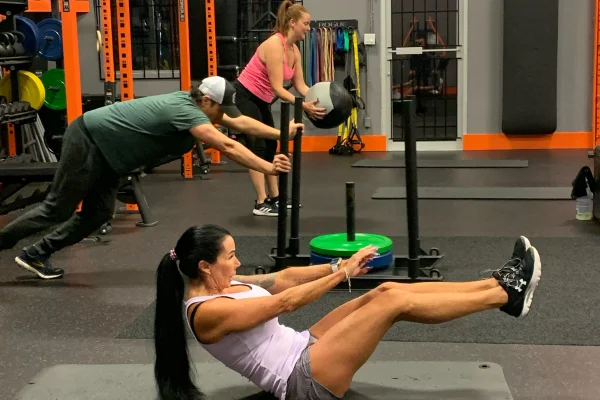
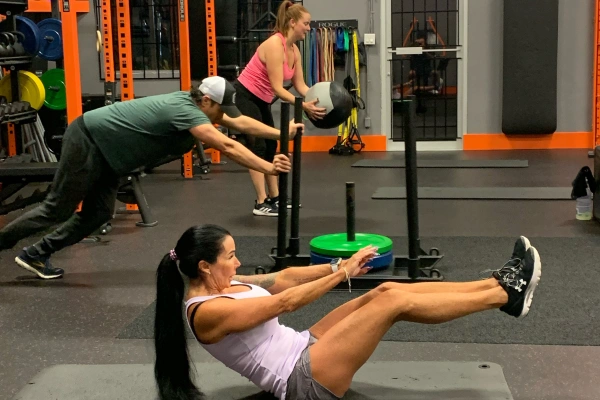
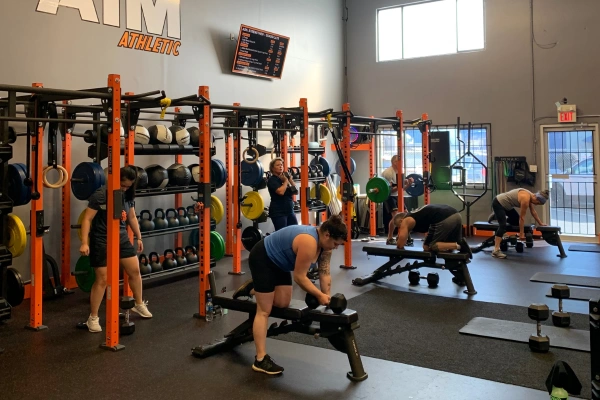
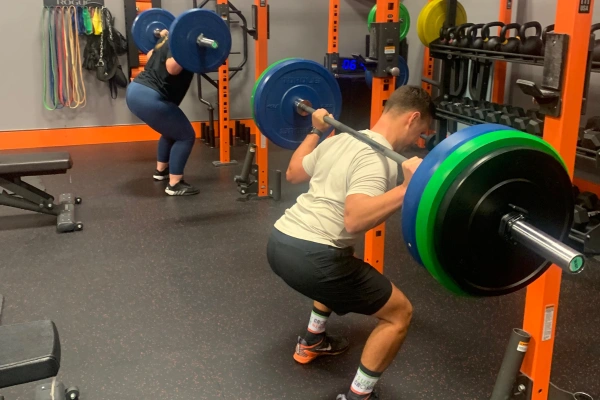
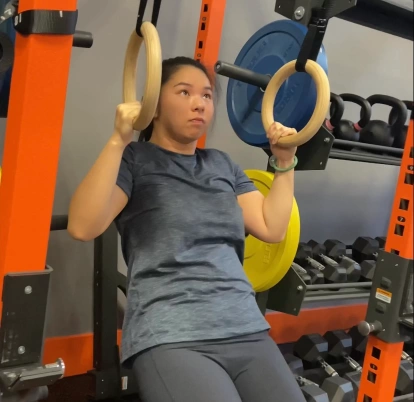
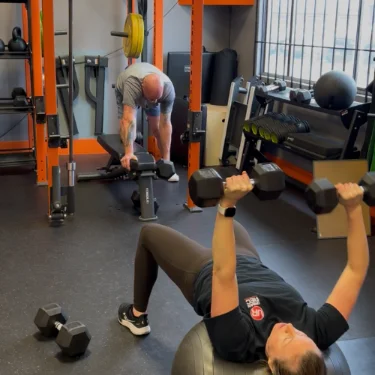
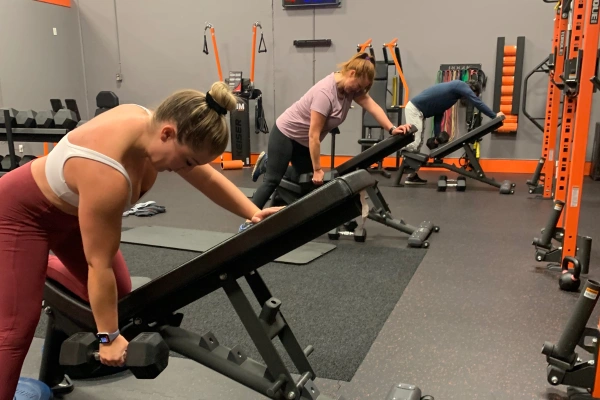
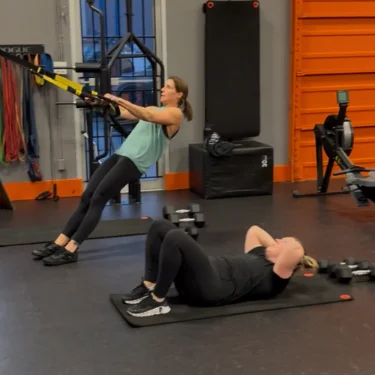
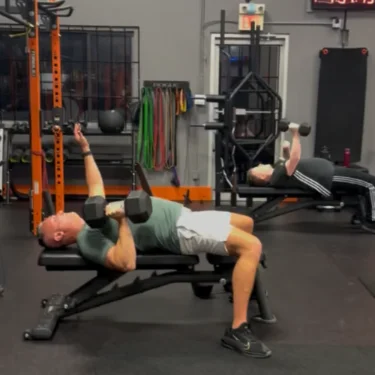
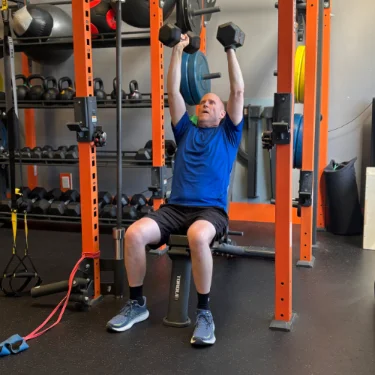
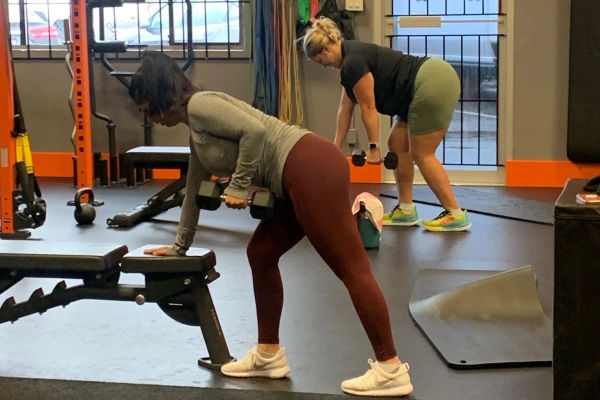
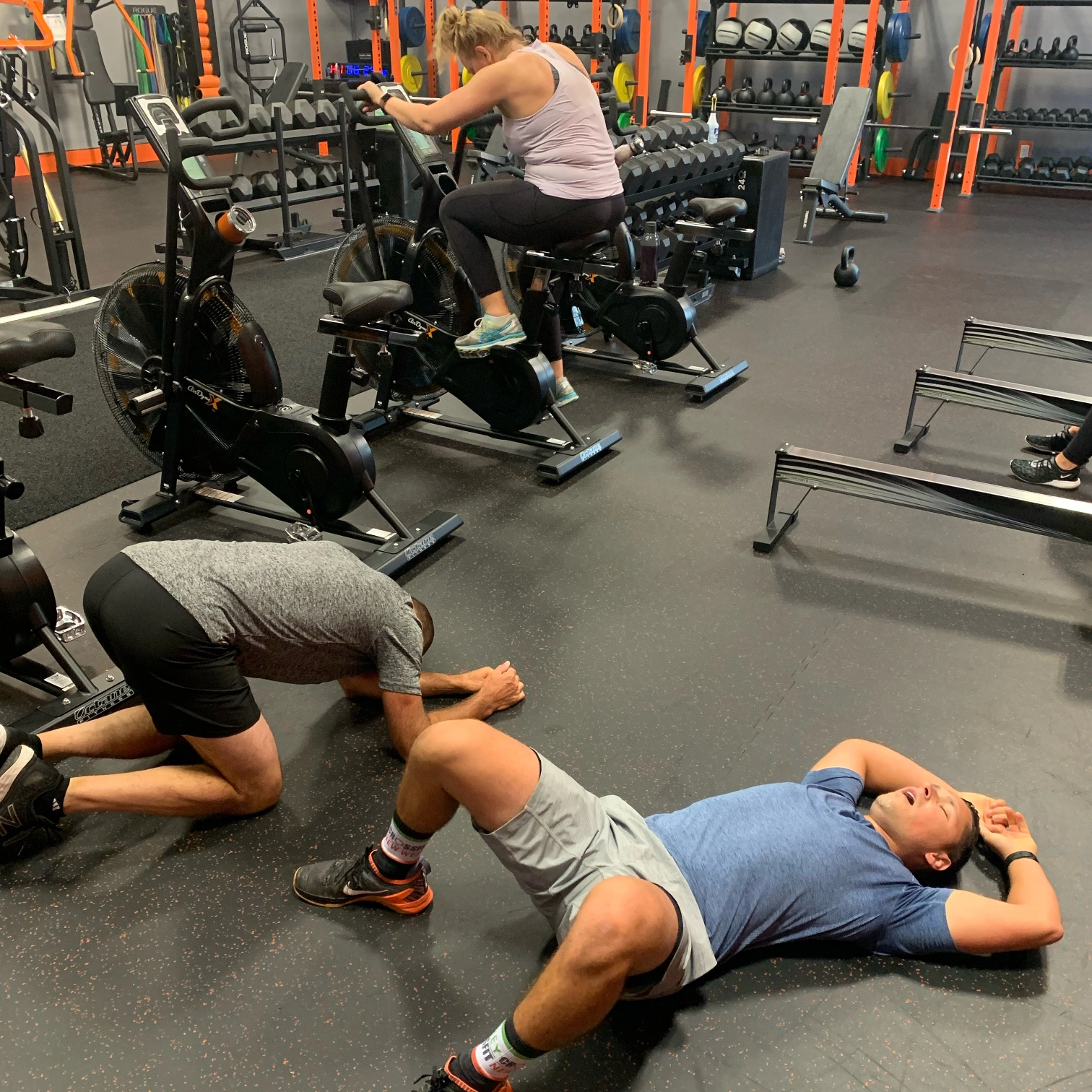
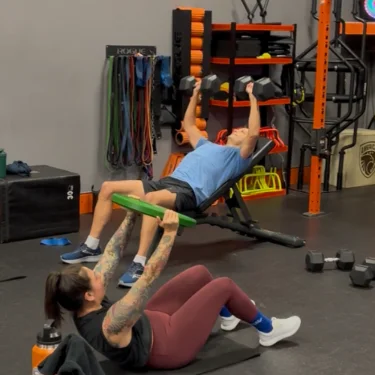
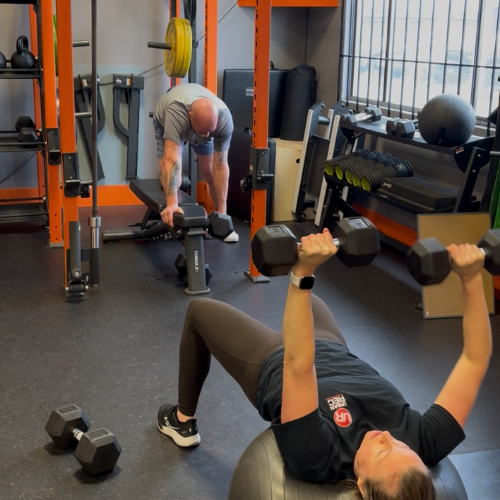
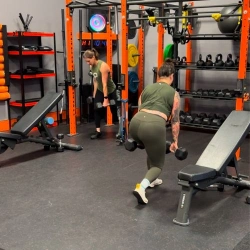
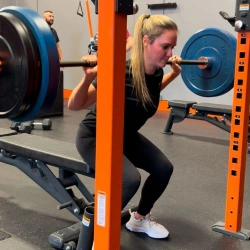
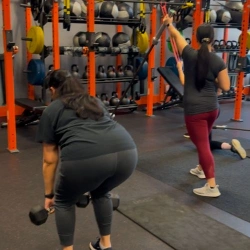
The same principle applies in small group personal training. Many new members arrive believing that every ache, sore muscle, or creaky knee means they should stop exercising altogether. In reality, some soreness and stiffness are perfectly normal, especially if your previous strength training program consisted mainly of carrying groceries and aggressively unloading Costco purchases. In fact even for the most seasoned lifters, a program change with exercises they haven't done in a while is almost always going to result in soreness. Learning the difference between normal training discomfort and true injury allows members to train confidently and make consistent progress rather than constantly restarting every Monday because their legs were sore after squats.
In our Active Rehabilitation program, understanding the difference between hurt and harm is often one of the biggest breakthroughs patients experience. Following an injury, it is completely normal to become fearful of movement and begin avoiding activities that previously felt effortless. Unfortunately, the body and brain are incredibly adaptable, and if we stop moving altogether, they become very good at doing exactly that... not moving. Through carefully progressed exercise, education, and repeated positive movement experiences, patients begin to rebuild trust in their bodies and regain the confidence needed to return to work, sport, and everyday life. This is why I often choose "easy win" exercises at the start of a recovery program just to show an injured person that they can move without pain.
Of course, this doesn't mean we should simply ignore all pain and adopt the highly scientific approach of "just send it." Significant increases in pain, rapidly worsening symptoms, loss of strength, swelling, or symptoms that continue to worsen long after exercise may indicate that training loads need to be modified. This is where working with qualified professionals can be incredibly valuable.
The key takeaway is that hurt does not always equal harm. Understanding this distinction can be incredibly empowering, particularly for individuals recovering from injury. Often, the path back to feeling better is not avoiding movement altogether, but gradually rebuilding strength, confidence, and tolerance to activity. The human body is remarkably resilient and, more often than not, far stronger than we give it credit for.
You've got the info, now it's time to take AIM!

.webp)






.webp)


.png)




.webp)