
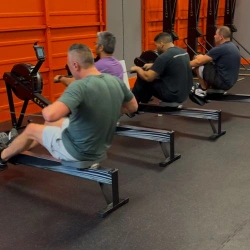
Cardio is often treated as the foundation of health. Walking, running, cycling, rowing. Get your heart rate up, break a sweat, feel accomplished. And to be clear, cardiovascular training is important. But when it comes to protecting your joints, tendons, muscles and long term movement capacity, cardio by itself misses some very important pieces.
A concept we talk about a lot at AIM Athletic is training specificity, or more simply, that tissues adapt to the stresses that are placed on them. Muscles, tendons, ligaments, cartilage, and even bone all remodel themselves based on the type of load, speed, and range of motion they experience. If a tissue is never exposed to higher forces, different speeds, or varied joint angles, it does not magically become resilient to them later on. This is where a lot of well intentioned cardio only routines fall short.
A good way to think about this is with rookies entering the NFL - fitting with the Superbowl being this weekend. Every year, incoming players prepare for the NFL Combine, which is essentially a very high level track meet. Forty yard dashes, vertical jumps, broad jumps, shuttle runs. Because of how much these tests matter for draft stock, many athletes spend months emphasizing speed work, sprint mechanics, and lighter loads moved very quickly. That training absolutely makes them better at sprinting and jumping. The problem is that football is not played in a straight line at top speed. On Sunday afternoons, those same athletes are asked to collide with and control 300 plus pound linemen at much lower speeds but with dramatically higher forces.
When tissues are trained primarily at high speeds and low loads, they adapt to those demands. Tendons become efficient springs, muscles become great at rapid force production, but tolerance to slow, heavy, grinding forces may be underdeveloped. When those athletes are suddenly exposed to repeated high force contacts, the tissues are simply not prepared for it. The result is predictable. Increased muscle strains, tendon issues, joint irritation, and soft tissue injuries. The lesson here is not that speed training is bad. It is that incomplete training leaves gaps.
The same idea applies to the general population. If most of your exercise comes from repetitive, cyclical cardio like running, biking, or using the elliptical, your tissues get very good at tolerating that exact pattern. The joints move through the same ranges, at the same speeds, under similar loads, over and over again. Your heart and lungs improve, but your joints are only prepared for one narrow slice of movement demands.
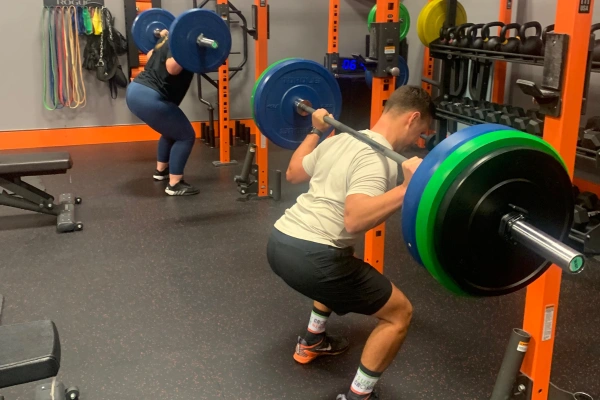
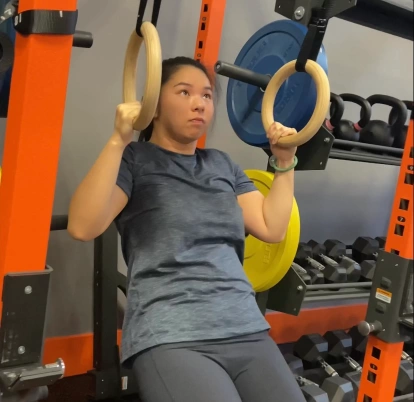
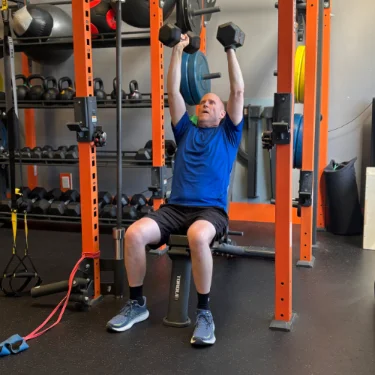
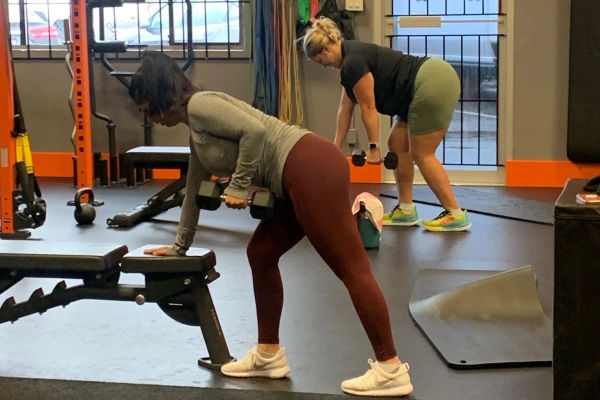
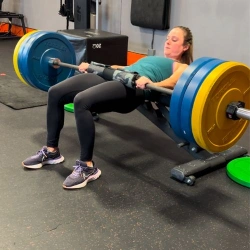
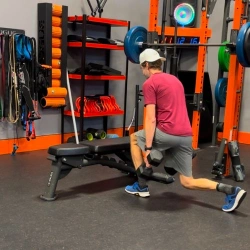
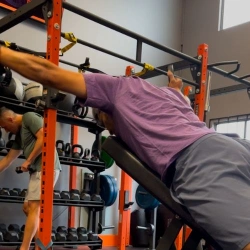
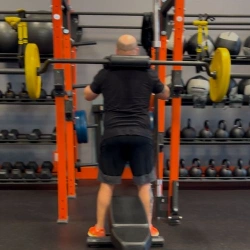
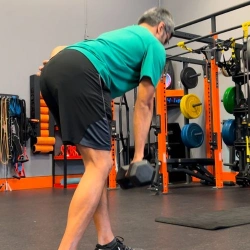
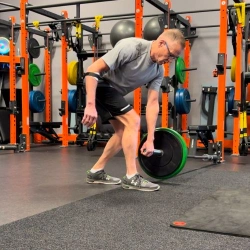
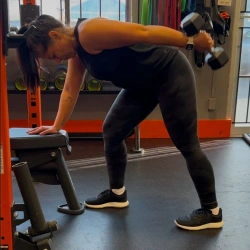
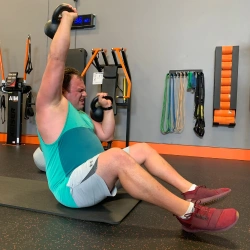
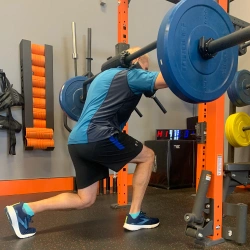
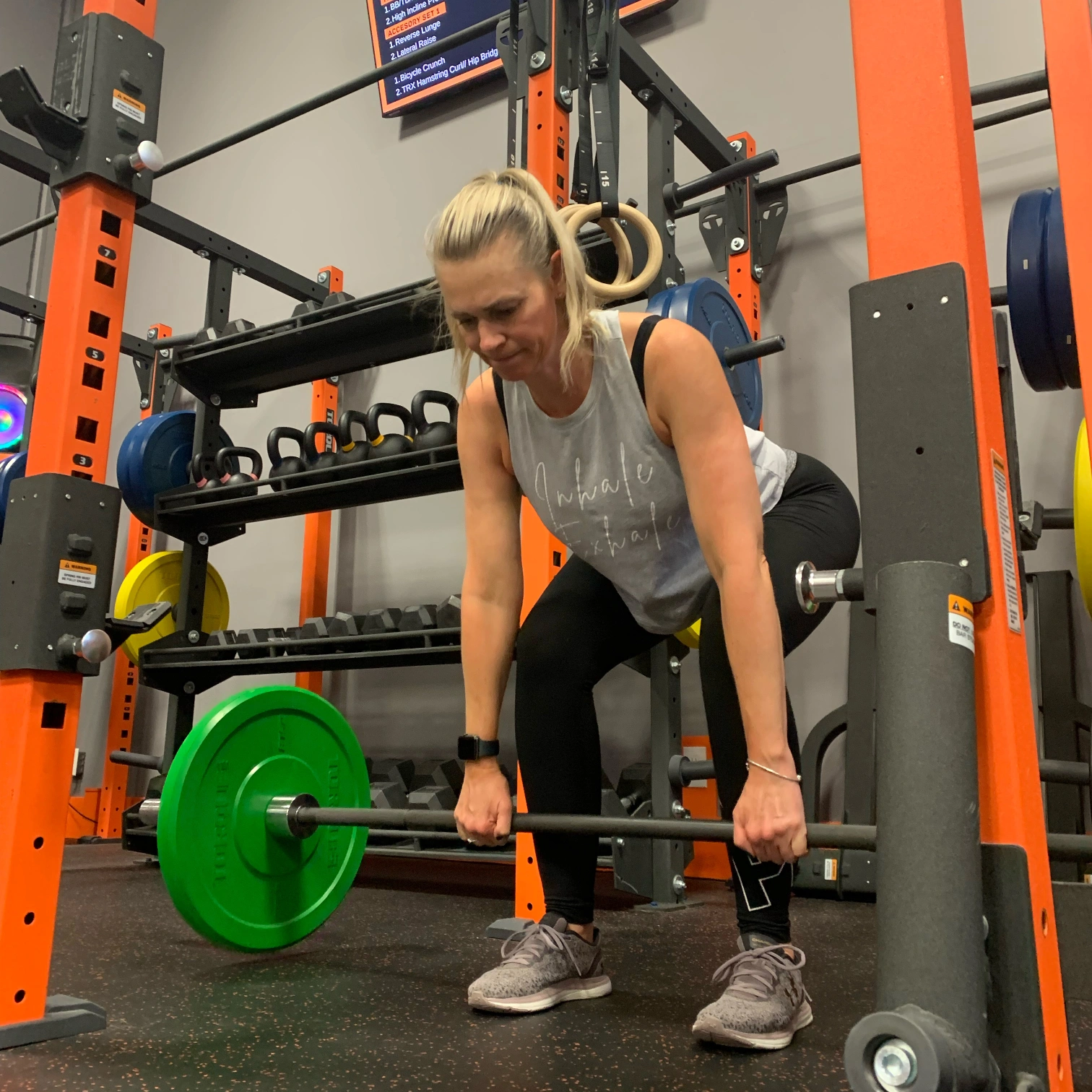
Strength training fills in those gaps. Lifting weights exposes muscles, joints, and tendons to higher forces at slower speeds. It improves tendon stiffness, increases collagen synthesis, enhances joint stability, and improves bone density. Muscles become stronger not just to move weight, but to control joint positions under load. This matters for daily life. Picking up kids, carrying groceries, slipping on ice, changing direction quickly, or getting back into sport all require force production and force absorption that cardio alone does not train well.
There is also a neurological component that often gets overlooked. Strength training improves motor unit recruitment and coordination. In plain language, your nervous system gets better at turning the right muscles on at the right time and at the right intensity. That improved coordination reduces unnecessary joint stress and improves movement efficiency. This is one reason why people often feel more stable and confident after getting stronger, even if they have not changed their cardio routine at all.
On the flip side, cardio only programs are notorious for overuse injuries. When the same tissues are loaded in the same way thousands of times per week, micro stress accumulates faster than the body can repair it. Tendons do not get enough variation in load to remodel effectively. Muscles fatigue in predictable patterns. Small asymmetries become bigger ones. This is why runners often deal with Achilles pain, knee irritation, or hip issues even though running is considered low impact. The issue is not impact alone. It is repetition without sufficient variation or supportive strength.
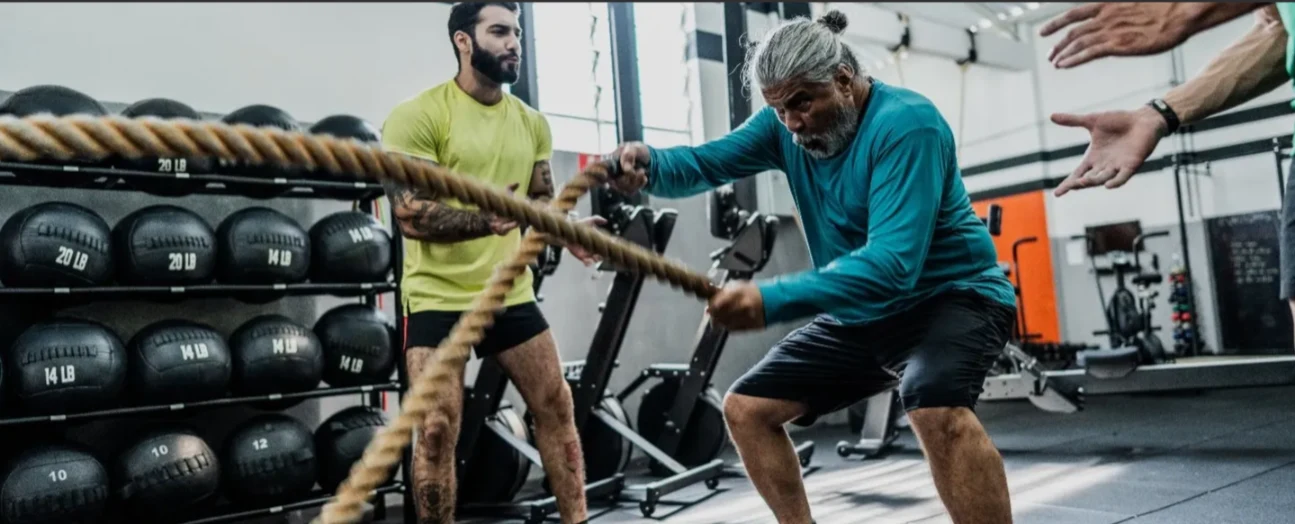
This does not mean cardio is the enemy. It means cardio needs support. Different loads, different rep ranges, different speeds, and different movement patterns all matter. Strength training and cardiovascular training are not competing priorities. They complement each other. One builds capacity. The other builds resilience.
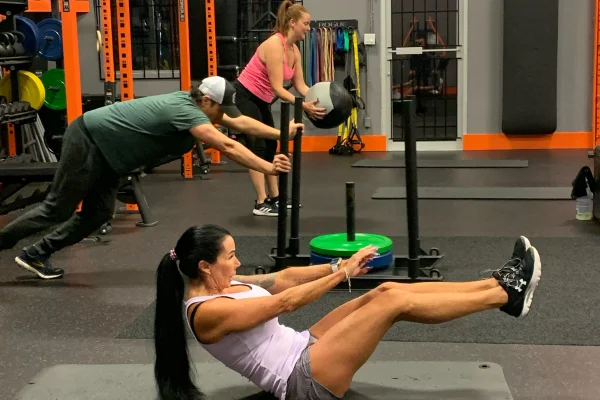
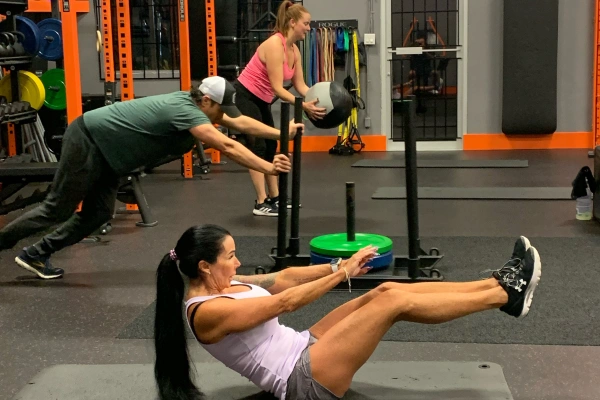
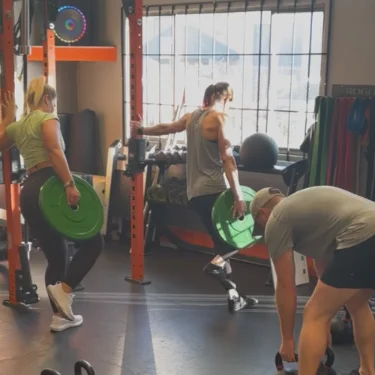
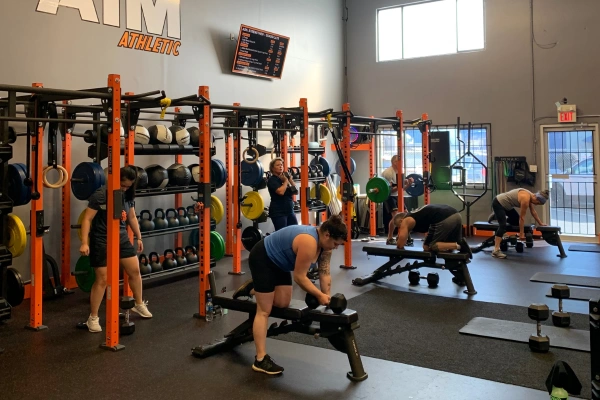
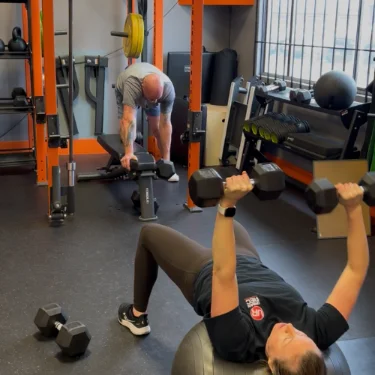
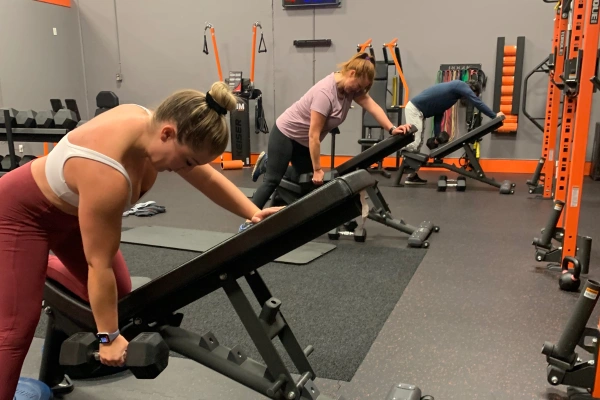
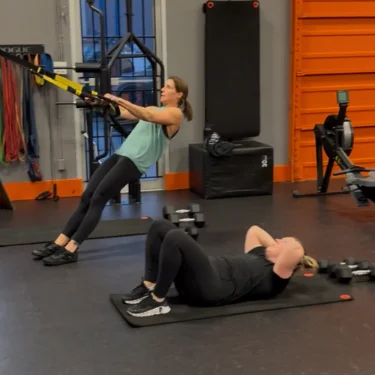
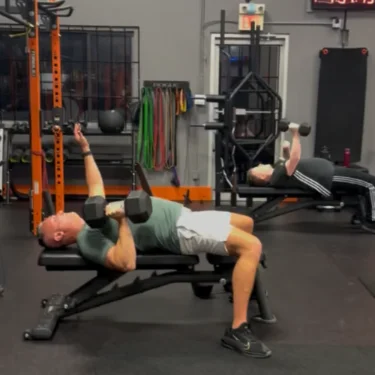
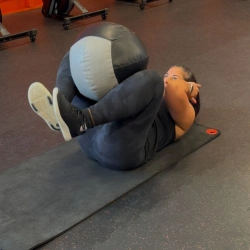
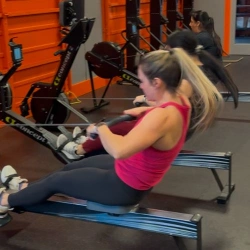
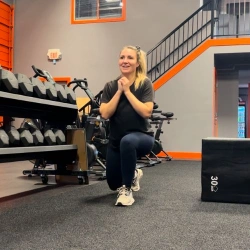
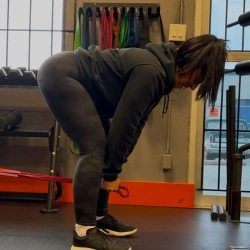
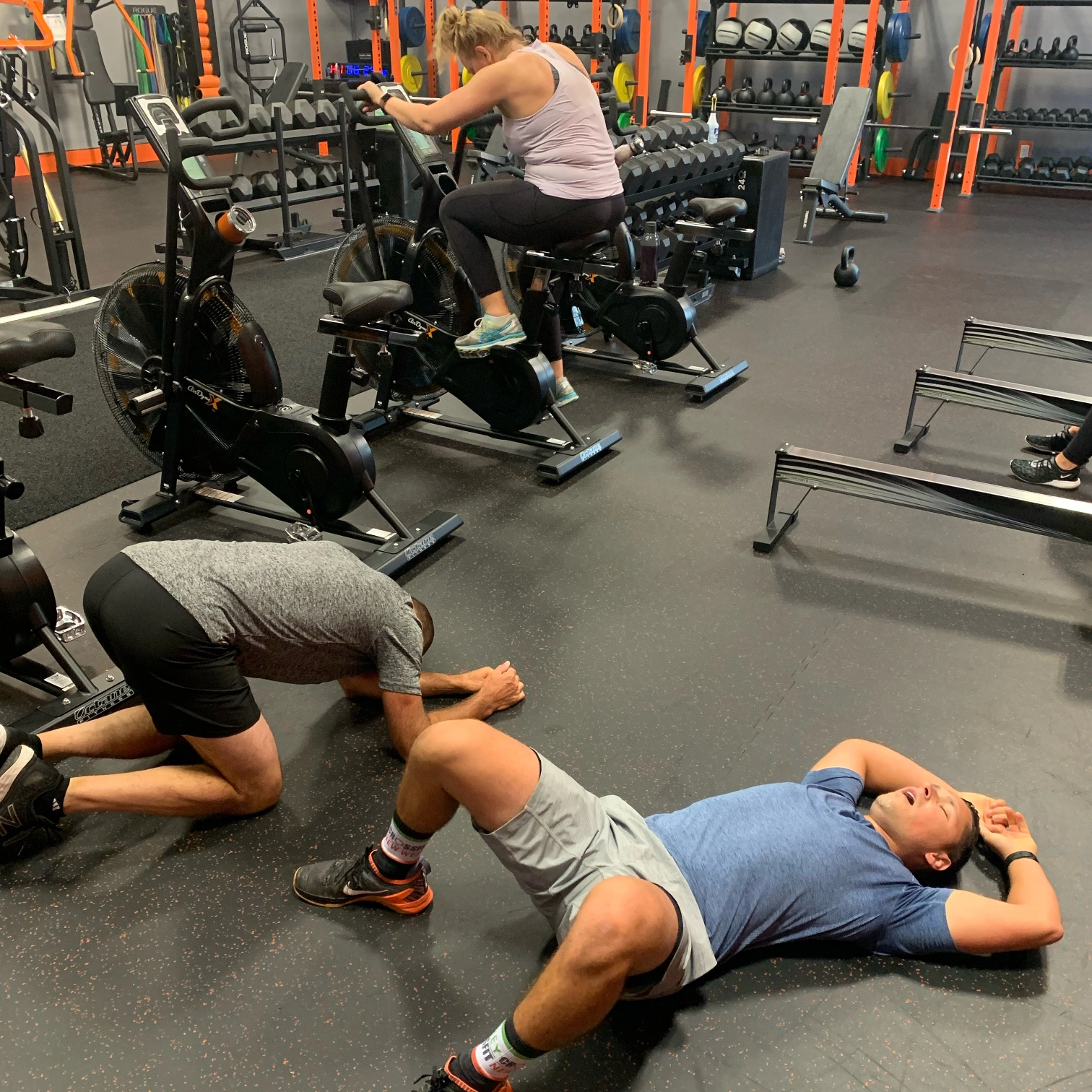
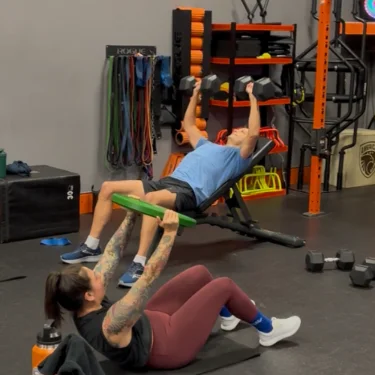
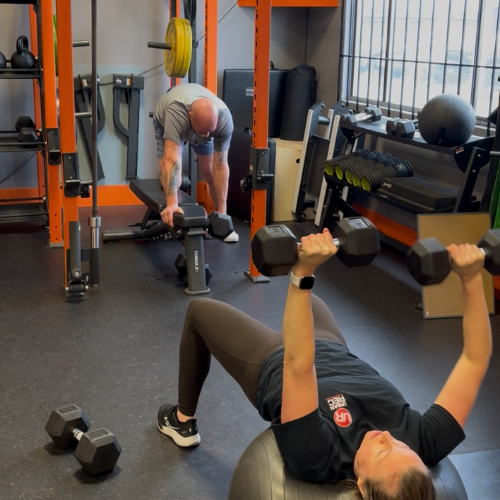
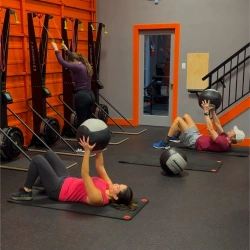
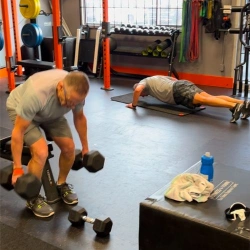
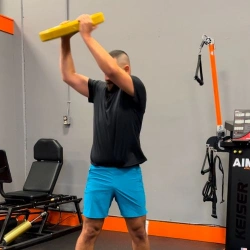
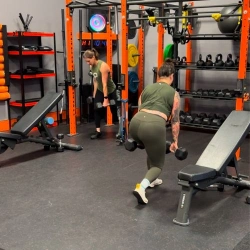
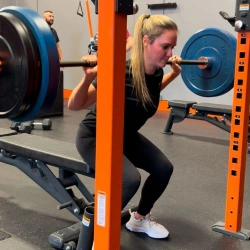
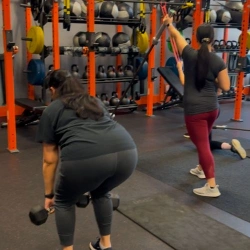
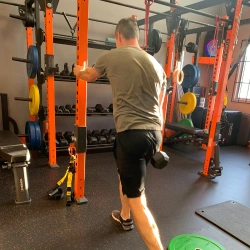
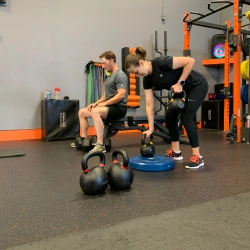
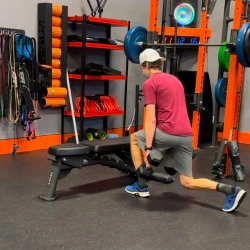
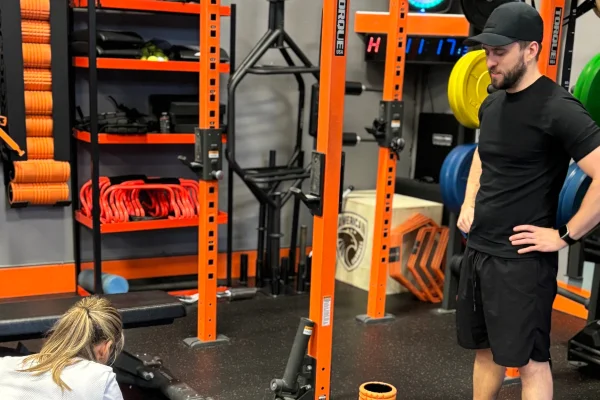
This philosophy shows up in everything we do at AIM Athletic. In our small group personal training, members lift, push, pull, carry, and move through varied patterns while still getting their heart rate up. In personal training and active rehab, we carefully reintroduce load to tissues so joints and tendons regain confidence and capacity, not just tolerance to repetitive movement. In youth training, we prioritize exposing kids to a wide range of loads and speeds early on so they build robust, adaptable bodies instead of specializing too early and breaking down later.
Cardio will make you fitter. Strength training will make you harder to break. Long term health and joint resilience come from doing both, and doing them intelligently.
You've got the info now it's time to take AIM,

.webp)





.webp)


.png)




.webp)