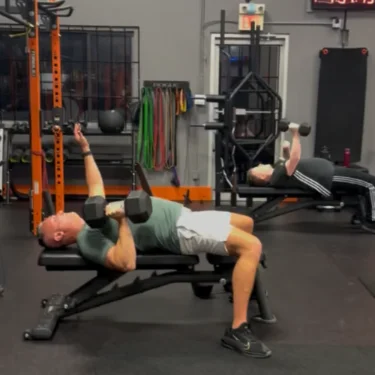

Periodization is one of those fancy sport science terms that gets thrown around a lot in strength and conditioning circles. In simple terms, periodization is the planned organization of training over time with the goal of maximizing performance while minimizing fatigue and injury risk. In other words, it's the reason high-level athletes don't just walk into the gym every day, throw random weights on the bar, and hope for the best. That strategy works about as well as studying for an exam by sleeping with the textbook under your pillow.
For athletes, periodization is incredibly important for several reasons. First, it helps manage fatigue. Training hard is necessary for improvement, but training hard all the time is a great way to become tired, beat up, and occasionally miserable. Properly planned training allows athletes to recover while still making progress. Second, periodization helps avoid accommodation. The body is remarkably good at adapting, which unfortunately means it eventually stops responding to the exact same training stimulus. If you've been doing the same workout for six months and wondering why progress has stalled, congratulations, you've discovered accommodation. Finally, periodization allows athletes to peak for important events such as tryouts, training camps, playoffs, or major competitions.
The process of periodization typically begins by working backward from the athlete's most important event. If an athlete has a hockey training camp in September, we start there and map out the months leading into it. How much time do we have? What qualities need to be developed? Does the athlete need more strength, power, speed, muscle mass, or conditioning? Answering these questions allows coaches to organize training in a logical sequence rather than simply making things up as they go. Despite what social media fitness influencers may suggest, "vibes" are not an evidence-based periodization model.
There are multiple forms of periodization, and the best choice often depends on the athlete. Factors such as training age, injury history, consistency of attendance, and overall experience all influence programming decisions. One of the simplest approaches is linear periodization, where training gradually progresses from higher volumes and lower intensities toward lower volumes and higher intensities over time. This method works extremely well for younger or less experienced athletes because it is simple, predictable, and easy to implement.
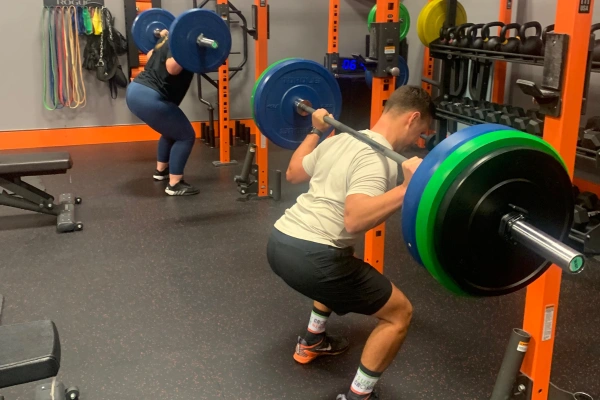
Another common approach is undulating periodization, where training intensity and volume fluctuate more frequently, often within the same week or microcycle. At AIM, this is the primary model we use with many of our hockey athletes. Across a typical four-day training week, our athletes may perform absolute strength work ranging anywhere from approximately 82% to 92% of their one-repetition maximum depending on the day's objective. Some sessions emphasize maximal force production, while others focus on speed-strength, hypertrophy, or recovery. This variation helps manage fatigue while continuing to drive adaptation across multiple physical qualities.
With our older hockey players, we will often incorporate aspects of block periodization and Triphasic Training. Block periodization allows us to concentrate on specific physical qualities for a period of time while still maintaining others. This becomes especially important during the summer when camps, tournaments, family vacations, and the occasional teenage sleep schedule create less-than-ideal training consistency. Triphasic Training, which emphasizes eccentric, isometric, and concentric phases of movement, allows us to continue targeting multiple fitness qualities simultaneously while adapting around the realities of an athlete's schedule. Because let's be honest, designing the perfect off-season plan is easy. Getting a 16-year-old to attend every session between hockey camps, family holidays, and lake days is considerably harder.
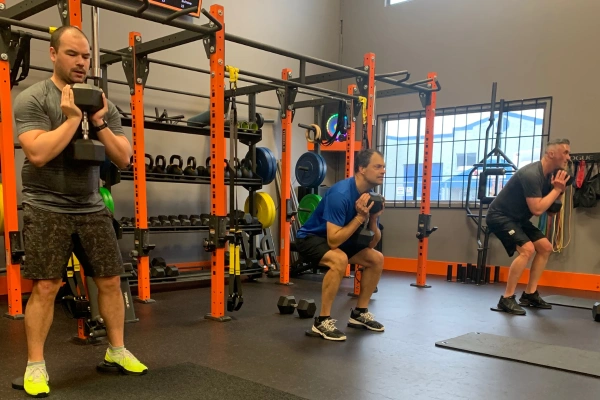
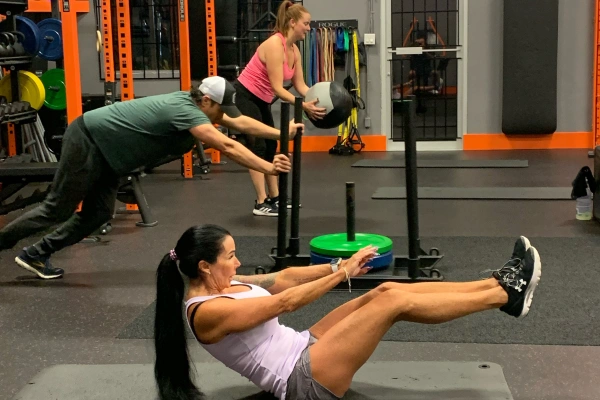
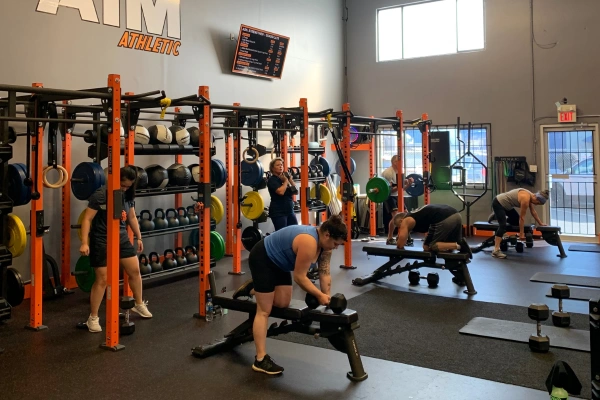
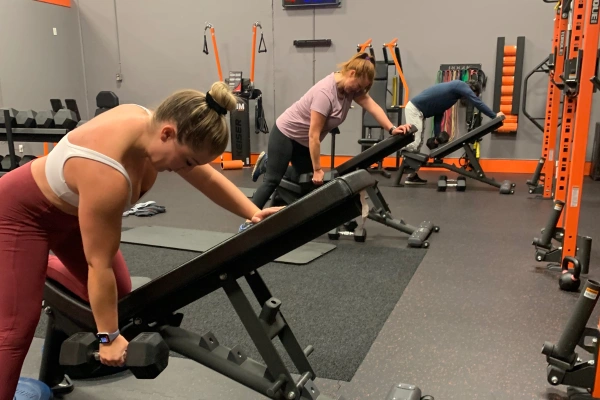
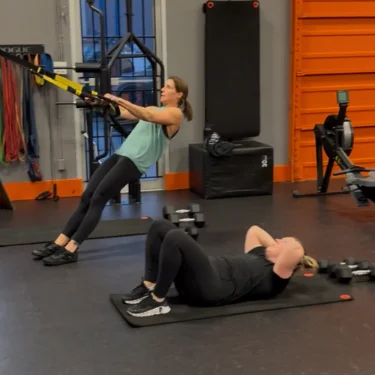
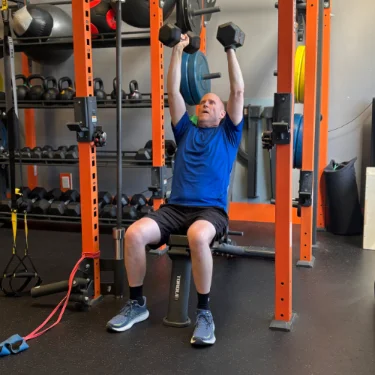
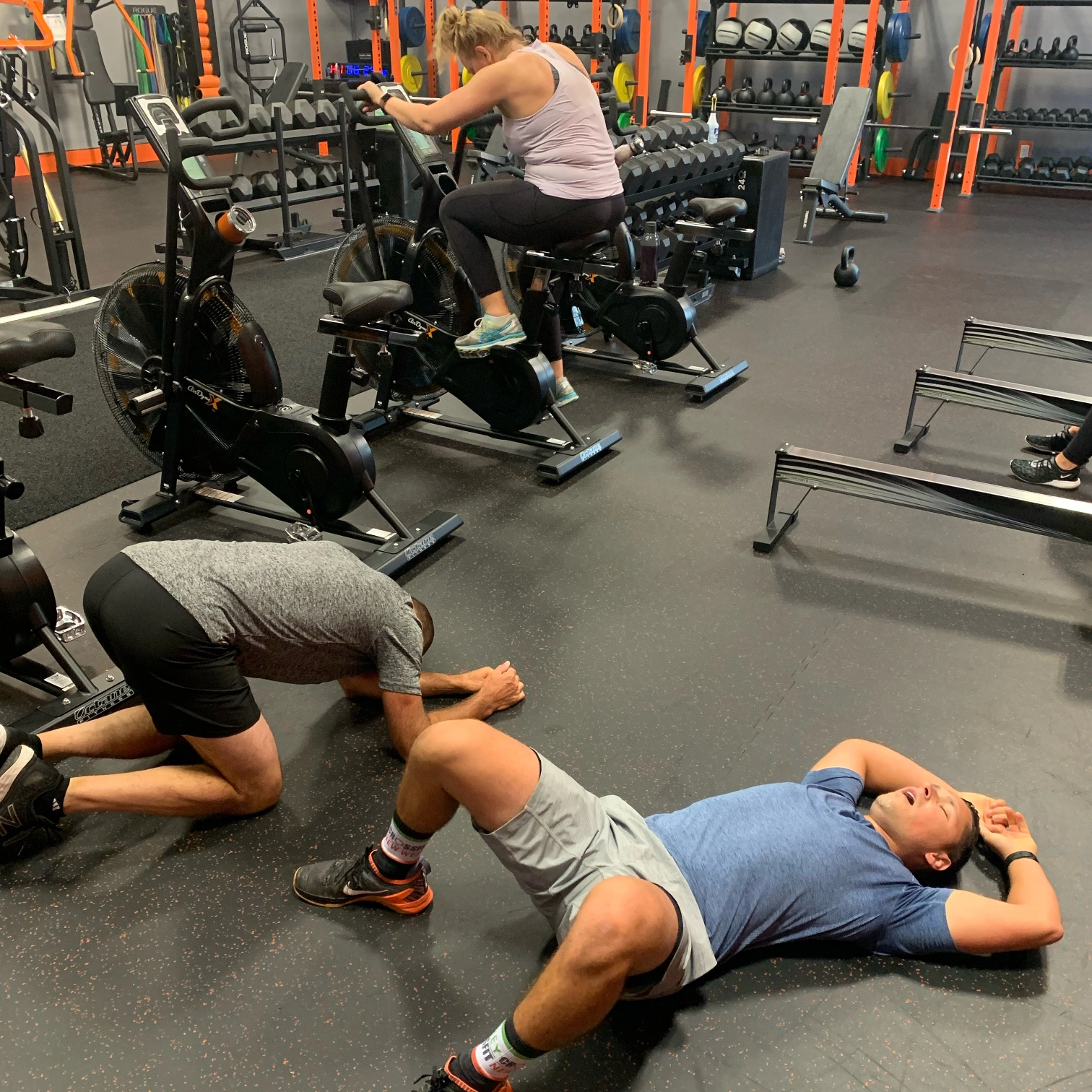
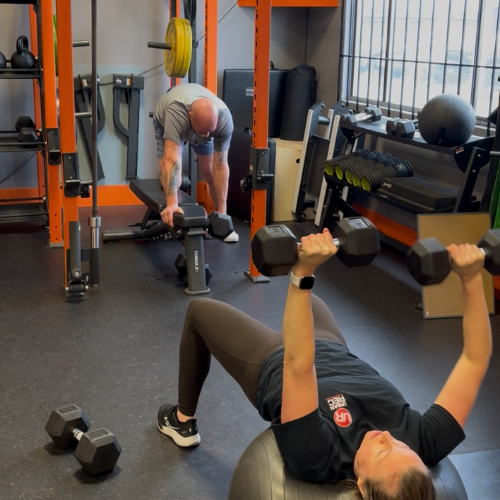
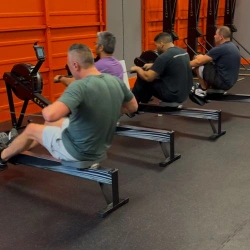
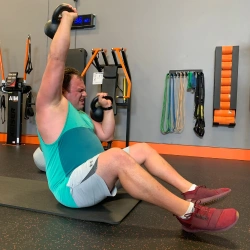
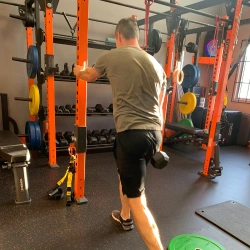
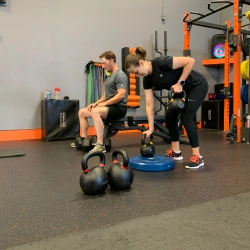
Periodization, however, is not exclusive to competitive athletes. It is equally important for members in our Small Group and Personal Training programs. In fact, many of you are already participating in periodized training without realizing it. The reason we vary training intensity from week to week and incorporate both high and low weeks is to strategically manage fatigue, improve recovery, and continue progressing strength and muscle development over the long term. Consistently training heavy or with high reps are both important, but consistently recovering from training is what ultimately allows progress to occur.
The same principles also apply within our Active Rehabilitation program. Rehabilitation is essentially periodization with a few extra variables and significantly less fun. Individuals recovering from injury cannot simply jump back into maximal training loads. Instead, exercise intensity, complexity, and volume must be carefully progressed based on tissue healing timelines, symptoms, and functional goals. Whether the objective is returning to hockey, returning to work, or simply returning to pain-free daily activities, a structured and progressive plan remains the key to long-term success.
At the end of the day, periodization is simply smart planning. Whether you're preparing for training camp, trying to add muscle, recovering from an injury, or just hoping to keep up with your kids without needing a recovery nap afterward, having a plan will almost always beat simply "working hard."
You've got the info, now it's time to take AIM!


.webp)













.webp)





.png)





.webp)